Address
26, Aggrey road NAB Secretariat 3rd Floor, Port Harcort Nigeria.
Work Hours
Monday to Friday: 7AM - 7PM
Weekend: 10AM - 5PM
Address
26, Aggrey road NAB Secretariat 3rd Floor, Port Harcort Nigeria.
Work Hours
Monday to Friday: 7AM - 7PM
Weekend: 10AM - 5PM

 Byadmin
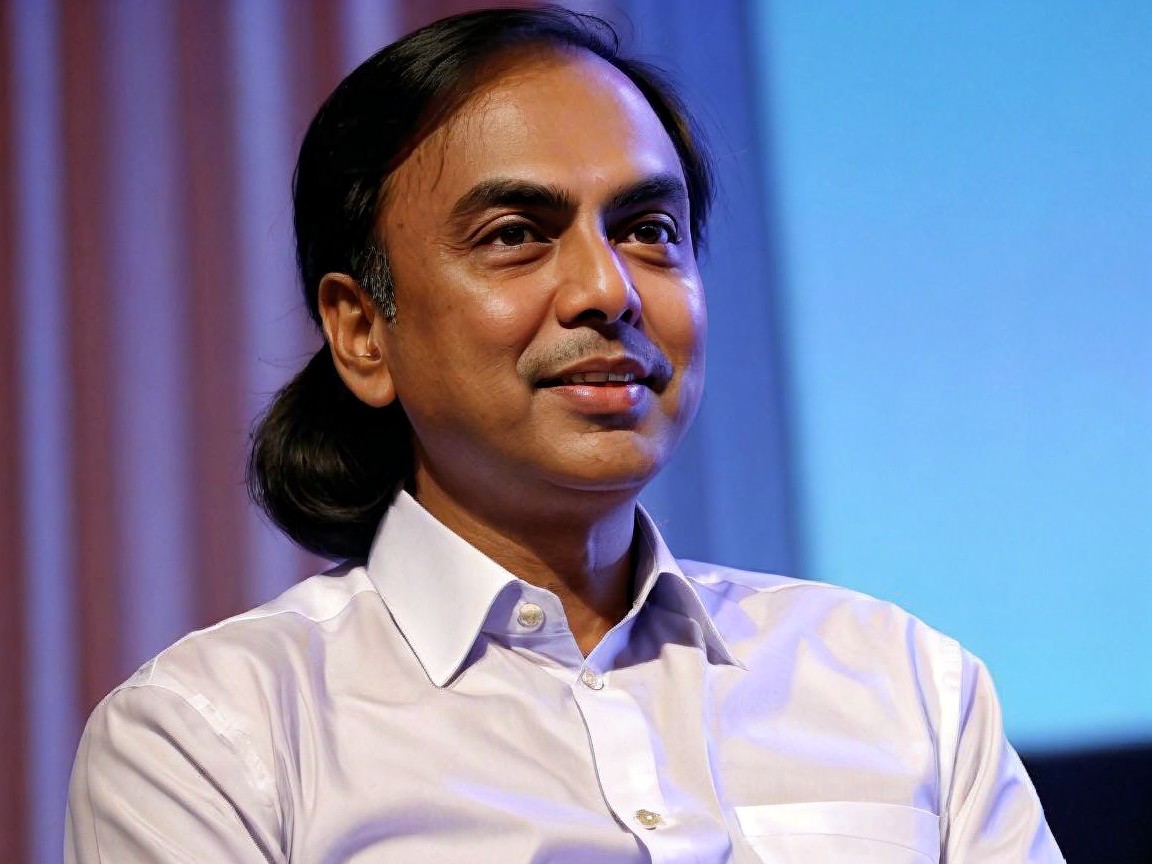
Mukesh Dhirubhai Ambani is a unique figure in the modern economic history of Asia: a tycoon businessman whose decisions have remoulded entire Indian industries and whose presence now dominates petrochemicals, energy, telecom, and retail. As of mid-2024 reporting, Ambani was quoted as widely as Asia’s richest person, with public net-worth estimates varying loosely between some $86.9 billion and $115.3 billion across top trackers and valuations associated with Reliance Industries’ stock performance and strategic sale of stakes.Origins: Early Life and EducationMukesh Ambani was born on April 19, 1957, to Dhirubhai and Kokilaben Ambani in Aden (then in the Aden Protectorate). The Ambani household returned to India when Mukesh was a kid and relocated to what was then an upcoming business environment. Mukesh attended Hill Grange High School in Mumbai and later studied chemical engineering at the Institute of Chemical Technology (then UDCT) in Mumbai. He completed an MBA at Stanford University but returned to India in 1980 to join his father’s business during a period of expansion.The Influence of Dhirubhai AmbaniMukesh Ambani’s father, Dhirubhai Ambani, was a pioneering entrepreneur who built Reliance Industries from scratch. Dhirubhai’s vision, leadership, and business acumen played a significant role in shaping Mukesh’s entrepreneurial spirit and business style. Mukesh has often credited his father for instilling in him the values of hard work, innovation, and risk-taking.Building the Source of His WealthReliance’s rise into a diversified behemoth—and Ambani’s wealth—can be traced to several transformative strategic moves:1. Vertical Integration and Petrochemical Expansion: Reliance Industries built highly integrated operations—from feedstock procurement to refining and petrochemical manufacturing—which generated strong margins and global competitiveness.2. Capitalizing on Scale and Timing: Reliance’s ability to invest in big, capital-intensive projects and run them efficiently positioned the company to capture value in cycles where scale conferred advantage.3. The Jio Revolution: Reliance launched Jio—a 4G broadband and mobile services provider that used low pricing and unlimited data to rapidly acquire hundreds of millions of subscribers.4. Reliance Retail’s Scale Play*: Reliance scaled up its retail operations across groceries, electronics, fashion, and convenience retailing, making Reliance Retail India’s largest organized retailer.Leadership and Management StyleAmbani’s management approach blends family control with professionalization and decisive capital allocation:1. Long-Term, High-Conviction Bets: Ambani has repeatedly favored transformational, high-conviction bets over incremental tweaking.2. Attracting Global Partners: Ambani has been able to bring marquee global partners on board to invest in standalone parts of the Reliance ecosystem.3. Centralized Strategic Control; Delegated Operations: Ambani has centralized strategic control, notably on capital allocation and direction, while delegating everyday operating responsibilities to professional managers as well as to family members occupying explicit roles.Personal and Philanthropic LifeMukesh Ambani is married to Nita Ambani, with whom he has three children: twins Isha and Akash Ambani and Anant Ambani. Nita Ambani chairs the Reliance Foundation, which operates in several areas, including education, healthcare, and sports promotion.Initiatives of Reliance Foundation1The Reliance Foundation has launched a number of initiatives aimed at promoting social impact and development at the grassroots level:1. Education: Initiatives aimed at supporting schools, scholarships, and vocational training.2. Healthcare: Hospital partnerships, primary healthcare centers, disaster relief programs, and medical camps.3. Disability Inclusion: Inclusive education programs, vocational training, and NGO partnerships to expand rehabilitation and assistive services.Controversies and ReputationReliance and Ambani have been subject to controversies typical of massive conglomerates:1. Regulatory and Competition Challenges: Jio’s market disruption ignited regulatory attention and competition-related issues from rivals.2. Legal Disputes: Reliance has been a party in various civil and commercial disputes over time.The Future of Reliance IndustriesAs Reliance Industries continues to evolve, Ambani’s vision for the company’s future is centered around innovation, sustainability, and digital transformation. The company has announced ambitious plans to invest in renewable energy, green hydrogen, and new fuels, positioning itself for a sustainable future.Mukesh Ambani’s ascent from a family textile business to the helm of Asia’s richest fortune is a testament to strategic vision, relentless execution, and an appetite for transformative bets. His control of Reliance Industries gives him unique influence over India’s industrial modernization and consumer digitalization.*Sources:*- Forbes (Real-Time Billionaires and Mukesh Ambani profile)- Bloomberg (Billionaires Index and Reliance coverage)- Reliance Industries Limited (Annual Reports and Investor Presentations)