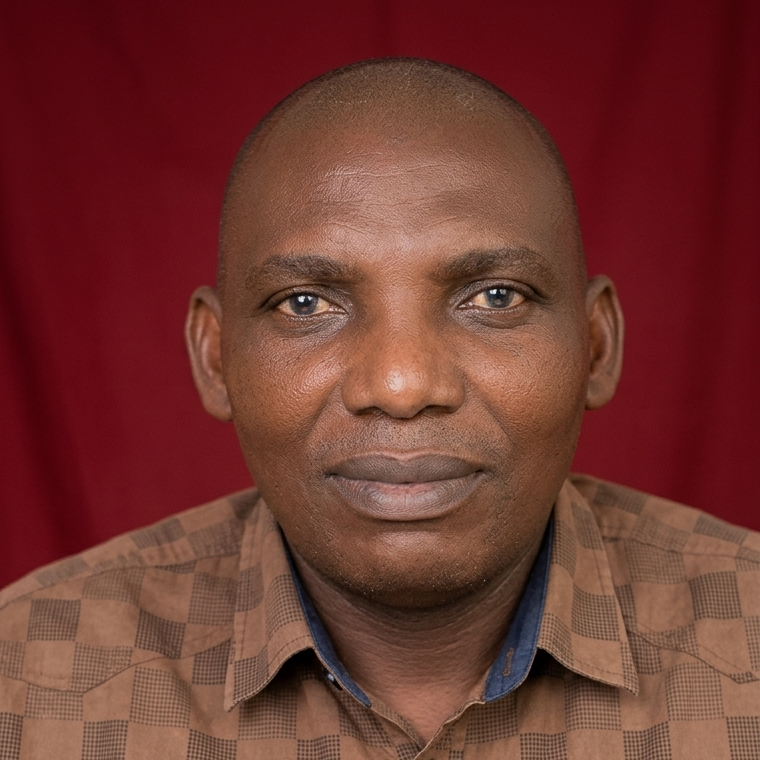
(This post was last modified: Yesterday, 09:25 AM by Izidor Jacob.)
> *Enjoyed this? There’s more.*
>
> This is just 1% of what I share inside *Jasdor Blog* — where I teach African creators how to turn AI tools and disability-inclusive thinking into real income.
>
> Join 2,000+ readers getting my weekly toolkit of prompts, tools, and income strategies that actually work in Africa.
> *👉 Get the next one free — Subscribe here: https://jasdor1966.substack.com/subscribe*
> _Free forever. Unsubscribe anytime.
*Meet Three Africans With Disabilities Who Turned AI Tools Into Six-Figure Incomes — And How You Can Copy Their Blueprint*
*Empowering Innovation, Championing Inclusion, Driving Equitable Growth.*
Want proof that disabled people making money online is real in Africa? Meet three inspiring PWDs in Africa who used AI tools and online business models to build six-figure incomes. These PWD success stories Africa show practical paths for disabled people making money online and reveal which AI tools for African creators actually work.
> _Disclosure: This article contains affiliate links. If you sign up through my links, I may earn a commission at no extra cost to you. I only recommend tools I personally use to empower solopreneurs and PWD advocates._
*1. Quick Overview: Why These PWD Success Stories Matter*
*a. The scale of opportunity:* AI is lowering entry barriers for disabled people making money online. You no longer need capital, an office, or physical mobility to serve clients worldwide. With a phone, data, and the right AI workflow, you can write, design, voice, automate, and sell.
*b. Economic and social impact:* Income means independence. For PWDs in Africa, six figures is not just money. It is dignity, choice, the ability to pay for assistive devices, support family, and be seen as a contributor, not a charity case.
*c. What to expect from this article:* Real lessons, the exact tools they used, monetization models, and a step-by-step blueprint you can copy in 30 days.
*2. Profiles — 3 African PWDs Who Turned AI Into Six-Figure Incomes*
*a. Profile 1: Amara Nwosu from Nigeria — The AI Content Strategist*
Amara is visually impaired and based in Kano State, Nigeria. She started with writing and blogging, then added AI to speed up research, outlines, and SEO content. She uses Taskade to plan client content calendars, Neuron AI to draft long-form articles, and Custom.ai to humanize the tone. Her income channels are monthly retainers for SMEs, SEO blog packages, and templates. Her proof point is simple: from zero clients to 4 recurring clients in 90 days by selling outcomes, not hours.
*b. Profile 2: Kwame Mensah from Ghana — The AI Voiceover and Video Creator*
Kwame has a mobility disability and works from home in Accra. He learned AI audio and video tools instead of fighting physical barriers. He generates natural narration with ElevenLabs, edits with accessible tools, and sells voiceovers for YouTube channels, NGOs, and e-learning brands. His first clients came from Fiverr and local referrals. His income timeline was slow for 30 days, then compounding: one happy client referred three more, and he raised prices every two months.
*c. Profile 3: Wanjiru Mwangi from Kenya — The AI Automation and Funnel Builder*
Wanjiru is deaf and based in Nairobi. She turned her strength in visual systems into a business. She builds landing pages, email funnels, and automations for coaches and DPOs using Systeme.io. Her accessibility adaptation is text-first communication, captioned videos, and visual SOPs. She scaled by productizing her service into fixed packages, then teaching others through a paid workshop. Lesson you can replicate: package, don't customize everything.
*3. AI Tools for African PWD Creators — What They Used and Why*
*a. Content and copy tools:* Start with Taskade for planning, prompts, and project management. Add Neuron AI for drafts that rank, and Custom.ai to make AI copy sound human and trustworthy. Prompts that convert focus on pain, proof, and a clear call-to-action.
*b. Design, audio and video tools:* Use Canva for accessible designs, ElevenLabs for voiceovers and audio versions, and Descript for captioned video. Always add alt text, transcripts, and captions. Accessibility is your competitive advantage.
*c. Automation and productivity:* Use Taskade to manage tasks, Systeme.io to automate email, funnels, and sales, and Edgar to auto-share content across social platforms. Low-code workflows reduce physical strain and save hours weekly.
*d. Platforms and marketplaces:* Sell on Upwork, Fiverr, and local marketplaces. Present yourself as AI-enabled, not AI-dependent. Your profile should say: what you deliver, for whom, in how many days, and what result they get.
*4. Monetization Models These PWDs Used — Practical Examples You Can Start*
*a. Freelance services:* AI content, voiceovers, image generation. Price by package, not by hour. Example: 4 SEO articles for ₦120,000 / $80, 5 voiceovers for ₦100,000 / $65, 1 landing page for ₦150,000 / $100.
*b. Products and digital assets:* Templates, prompt packs, courses. Amara sells a content calendar template. Kwame sells voiceover scripts. Wanjiru sells a funnel starter kit. Products create passive revenue while you sleep.
*c. Agencies and white-label services:* Bundle AI tools for SMEs. Offer a monthly package: content + email + social scheduling. Outsource parts you cannot do and keep the margin.
*d. Affiliate, consulting and retainer models:* Recommend tools you use, like Taskade, Systeme.io, and PayorApp for payments, and earn recurring commissions. Retainers give you stable monthly income.
*5. Step-by-Step Blueprint: How a Disabled Person in Africa Can Replicate Their Path*
*a. Validate skills and pick a niche:* Pick one low-competition, high-value service. Examples: SEO content for NGOs, voiceovers for e-learning, funnel setup for coaches. If you can do it in 2 hours with AI, it is a good niche.
*b. Learn and build fast:* Use free tiers first. Follow this 30-day portfolio plan: Week 1 learn one tool, Week 2 create 3 samples, Week 3 publish them, Week 4 pitch 20 prospects.
*c. Get first clients and scale:* Use outreach templates, optimize your gig with clear titles, and use local networks: churches, DPOs, WhatsApp groups, cooperatives. Your first client is proof. Ask for a testimonial and referral immediately.
*d. Protect income:* Use simple contracts, 50% upfront payment, clear delivery dates, and invoicing via PayorApp. Diversify: never depend on one client or one platform.
*6. Practical Accessibility, Cost and Infrastructure Tips for African PWDs*
*a. Assistive tech and low-bandwidth workflows:* Use screen readers like NVDA or TalkBack, keyboard shortcuts, and voice dictation. Draft offline in Taskade, then sync when data is available. Work in batches to save data.
*b. Managing costs:* Start on free or low-cost tiers. Host your site on Tamara Cloud for fast load speeds and Naira-friendly billing. Compress images, use mobile data wisely, and reinvest 20% of every payment into tools and learning.
*c. Local support:* Join NGOs, JONAPWD chapters, disability groups, and community freelancing hubs. Look for grants, device support, and training programs in Nigeria, Ghana, and Kenya. Community is your safety net.
*d. Security and legal:* Protect your IP, use written client agreements, watermark samples, and keep records of payments. Learn basic tax and compliance rules in your country. Keep it simple, but keep it documented.
*7. Scaling, Sustainability and Advocacy — Next Steps Beyond Six Figures*
*a. Scale operations:* Hire one virtual assistant, partner with another PWD, and productize your knowledge into a course or template shop on Systeme.io.
*b. Sustainability:* Reinvest, keep learning, and stay ahead of AI changes. AI tools update monthly. What worked last year may not work next year. Stay in a learning community.
*c. Advocacy and visibility:* Use your success to push accessibility and policy change. Share your story, mentor one other PWD, and show governments and NGOs that inclusion is profitable.
*d. Resources to follow:* Follow jasdorblog.com for templates, prompts, and training for African solopreneurs and PWD advocates.
*Conclusion*
These three PWD success stories Africa show that disabled people making money online is realistic and repeatable when you pair the right AI tools with smart monetization and accessibility strategies. With the blueprint, tool recommendations, and cost-saving tips above, any motivated PWD in Africa can start building a scalable AI-enabled income.
*Call-to-Action*
*Action step:* Try a 30-day plan: pick one AI skill from the tools section, build one portfolio piece, and use the outreach templates to land your first paid client. Start today with Taskade to plan it, build your funnel on Systeme.io, and collect payments with PayorApp. Download the starter checklist and templates on jasdorblog.com.
*Frequently Asked Questions (FAQ)*
*1. Can a PWD in Africa really earn six figures with AI?*
Yes. Six figures in Naira, Cedis, or Shillings is achievable with one skill, consistent pitching, and packaged services. The three profiles above did it by focusing on one service first, not trying to learn everything.
*2. Which AI tool should I start with if I have no money?*
Start with Taskade free plan for planning and content, and Systeme.io free plan for landing pages and email. Add paid tools only after your first client pays you.
*3. I am blind or have low vision. Which AI income path is best?*
Content writing, SEO, voiceovers with ElevenLabs, and automation are highly screen-reader friendly. Plan everything in Taskade first, then execute in batches.
*4. How do I get my first client without experience?*
Create 3 free samples for a real business, publish them, and pitch 20 prospects with a simple message: problem, solution, sample, price. Offer a small paid trial to reduce risk for the client.
*5. How do I receive payments as a PWD freelancer in Africa?*
Use PayorApp for local and international payments, plus bank transfer or mobile money. Always collect 50% upfront.
*6. Do I need a website to start?*
No, but it helps you look professional. Start with a one-page site on Systeme.io, hosted affordably on Tamara Cloud when you are ready to scale to WordPress.
*Affiliate Disclosure:*
This article contains affiliate links to platforms I personally use and trust. If you sign up through my links, I may earn a commission at no additional cost to you. This supports jasdorblog.com's mission of empowering African solopreneurs and advancing disability rights across the continent.
> _About the Author:_ Izidor Jacob is a visually impaired entrepreneur, digital advocate, and founder of jasdorblog.com. Based in Port Harcourt, Nigeria, he combines AI innovation with legal advocacy to champion the inclusion of Persons with Disabilities. He trains PWD coalitions and solopreneurs nationwide on using no-code tools, AI, and strategic communication to build independent digital platforms.
💖 Show Love & Support http://jasdorblog.com
Creating these free, accessible, and legally sound toolkits takes time, research, and dedication. If these resources have blessed your advocacy journey, helped you file a successful FOI request, or guided you toward financial independence, you can "Show Love" and support the continuous creation of these materials.
Your contributions help me keep these templates 100% free for Persons with Disabilities across Africa and allow me to continue fighting for systemic inclusion.
👉 *https://selar.com/showlove/httpsselarcom-show-loveizidorjacob*
_Thank you for being part of the movement. Empowering Innovation, Championing Inclusion, Driving Equitable Growth._
*Izidor Jacob
Founder, https://jasdorblog.com
jasbloginfo@gmail.com
>
> This is just 1% of what I share inside *Jasdor Blog* — where I teach African creators how to turn AI tools and disability-inclusive thinking into real income.
>
> Join 2,000+ readers getting my weekly toolkit of prompts, tools, and income strategies that actually work in Africa.
> *👉 Get the next one free — Subscribe here: https://jasdor1966.substack.com/subscribe*
> _Free forever. Unsubscribe anytime.
*Meet Three Africans With Disabilities Who Turned AI Tools Into Six-Figure Incomes — And How You Can Copy Their Blueprint*
*Empowering Innovation, Championing Inclusion, Driving Equitable Growth.*
Want proof that disabled people making money online is real in Africa? Meet three inspiring PWDs in Africa who used AI tools and online business models to build six-figure incomes. These PWD success stories Africa show practical paths for disabled people making money online and reveal which AI tools for African creators actually work.
> _Disclosure: This article contains affiliate links. If you sign up through my links, I may earn a commission at no extra cost to you. I only recommend tools I personally use to empower solopreneurs and PWD advocates._
*1. Quick Overview: Why These PWD Success Stories Matter*
*a. The scale of opportunity:* AI is lowering entry barriers for disabled people making money online. You no longer need capital, an office, or physical mobility to serve clients worldwide. With a phone, data, and the right AI workflow, you can write, design, voice, automate, and sell.
*b. Economic and social impact:* Income means independence. For PWDs in Africa, six figures is not just money. It is dignity, choice, the ability to pay for assistive devices, support family, and be seen as a contributor, not a charity case.
*c. What to expect from this article:* Real lessons, the exact tools they used, monetization models, and a step-by-step blueprint you can copy in 30 days.
*2. Profiles — 3 African PWDs Who Turned AI Into Six-Figure Incomes*
*a. Profile 1: Amara Nwosu from Nigeria — The AI Content Strategist*
Amara is visually impaired and based in Kano State, Nigeria. She started with writing and blogging, then added AI to speed up research, outlines, and SEO content. She uses Taskade to plan client content calendars, Neuron AI to draft long-form articles, and Custom.ai to humanize the tone. Her income channels are monthly retainers for SMEs, SEO blog packages, and templates. Her proof point is simple: from zero clients to 4 recurring clients in 90 days by selling outcomes, not hours.
*b. Profile 2: Kwame Mensah from Ghana — The AI Voiceover and Video Creator*
Kwame has a mobility disability and works from home in Accra. He learned AI audio and video tools instead of fighting physical barriers. He generates natural narration with ElevenLabs, edits with accessible tools, and sells voiceovers for YouTube channels, NGOs, and e-learning brands. His first clients came from Fiverr and local referrals. His income timeline was slow for 30 days, then compounding: one happy client referred three more, and he raised prices every two months.
*c. Profile 3: Wanjiru Mwangi from Kenya — The AI Automation and Funnel Builder*
Wanjiru is deaf and based in Nairobi. She turned her strength in visual systems into a business. She builds landing pages, email funnels, and automations for coaches and DPOs using Systeme.io. Her accessibility adaptation is text-first communication, captioned videos, and visual SOPs. She scaled by productizing her service into fixed packages, then teaching others through a paid workshop. Lesson you can replicate: package, don't customize everything.
*3. AI Tools for African PWD Creators — What They Used and Why*
*a. Content and copy tools:* Start with Taskade for planning, prompts, and project management. Add Neuron AI for drafts that rank, and Custom.ai to make AI copy sound human and trustworthy. Prompts that convert focus on pain, proof, and a clear call-to-action.
*b. Design, audio and video tools:* Use Canva for accessible designs, ElevenLabs for voiceovers and audio versions, and Descript for captioned video. Always add alt text, transcripts, and captions. Accessibility is your competitive advantage.
*c. Automation and productivity:* Use Taskade to manage tasks, Systeme.io to automate email, funnels, and sales, and Edgar to auto-share content across social platforms. Low-code workflows reduce physical strain and save hours weekly.
*d. Platforms and marketplaces:* Sell on Upwork, Fiverr, and local marketplaces. Present yourself as AI-enabled, not AI-dependent. Your profile should say: what you deliver, for whom, in how many days, and what result they get.
*4. Monetization Models These PWDs Used — Practical Examples You Can Start*
*a. Freelance services:* AI content, voiceovers, image generation. Price by package, not by hour. Example: 4 SEO articles for ₦120,000 / $80, 5 voiceovers for ₦100,000 / $65, 1 landing page for ₦150,000 / $100.
*b. Products and digital assets:* Templates, prompt packs, courses. Amara sells a content calendar template. Kwame sells voiceover scripts. Wanjiru sells a funnel starter kit. Products create passive revenue while you sleep.
*c. Agencies and white-label services:* Bundle AI tools for SMEs. Offer a monthly package: content + email + social scheduling. Outsource parts you cannot do and keep the margin.
*d. Affiliate, consulting and retainer models:* Recommend tools you use, like Taskade, Systeme.io, and PayorApp for payments, and earn recurring commissions. Retainers give you stable monthly income.
*5. Step-by-Step Blueprint: How a Disabled Person in Africa Can Replicate Their Path*
*a. Validate skills and pick a niche:* Pick one low-competition, high-value service. Examples: SEO content for NGOs, voiceovers for e-learning, funnel setup for coaches. If you can do it in 2 hours with AI, it is a good niche.
*b. Learn and build fast:* Use free tiers first. Follow this 30-day portfolio plan: Week 1 learn one tool, Week 2 create 3 samples, Week 3 publish them, Week 4 pitch 20 prospects.
*c. Get first clients and scale:* Use outreach templates, optimize your gig with clear titles, and use local networks: churches, DPOs, WhatsApp groups, cooperatives. Your first client is proof. Ask for a testimonial and referral immediately.
*d. Protect income:* Use simple contracts, 50% upfront payment, clear delivery dates, and invoicing via PayorApp. Diversify: never depend on one client or one platform.
*6. Practical Accessibility, Cost and Infrastructure Tips for African PWDs*
*a. Assistive tech and low-bandwidth workflows:* Use screen readers like NVDA or TalkBack, keyboard shortcuts, and voice dictation. Draft offline in Taskade, then sync when data is available. Work in batches to save data.
*b. Managing costs:* Start on free or low-cost tiers. Host your site on Tamara Cloud for fast load speeds and Naira-friendly billing. Compress images, use mobile data wisely, and reinvest 20% of every payment into tools and learning.
*c. Local support:* Join NGOs, JONAPWD chapters, disability groups, and community freelancing hubs. Look for grants, device support, and training programs in Nigeria, Ghana, and Kenya. Community is your safety net.
*d. Security and legal:* Protect your IP, use written client agreements, watermark samples, and keep records of payments. Learn basic tax and compliance rules in your country. Keep it simple, but keep it documented.
*7. Scaling, Sustainability and Advocacy — Next Steps Beyond Six Figures*
*a. Scale operations:* Hire one virtual assistant, partner with another PWD, and productize your knowledge into a course or template shop on Systeme.io.
*b. Sustainability:* Reinvest, keep learning, and stay ahead of AI changes. AI tools update monthly. What worked last year may not work next year. Stay in a learning community.
*c. Advocacy and visibility:* Use your success to push accessibility and policy change. Share your story, mentor one other PWD, and show governments and NGOs that inclusion is profitable.
*d. Resources to follow:* Follow jasdorblog.com for templates, prompts, and training for African solopreneurs and PWD advocates.
*Conclusion*
These three PWD success stories Africa show that disabled people making money online is realistic and repeatable when you pair the right AI tools with smart monetization and accessibility strategies. With the blueprint, tool recommendations, and cost-saving tips above, any motivated PWD in Africa can start building a scalable AI-enabled income.
*Call-to-Action*
*Action step:* Try a 30-day plan: pick one AI skill from the tools section, build one portfolio piece, and use the outreach templates to land your first paid client. Start today with Taskade to plan it, build your funnel on Systeme.io, and collect payments with PayorApp. Download the starter checklist and templates on jasdorblog.com.
*Frequently Asked Questions (FAQ)*
*1. Can a PWD in Africa really earn six figures with AI?*
Yes. Six figures in Naira, Cedis, or Shillings is achievable with one skill, consistent pitching, and packaged services. The three profiles above did it by focusing on one service first, not trying to learn everything.
*2. Which AI tool should I start with if I have no money?*
Start with Taskade free plan for planning and content, and Systeme.io free plan for landing pages and email. Add paid tools only after your first client pays you.
*3. I am blind or have low vision. Which AI income path is best?*
Content writing, SEO, voiceovers with ElevenLabs, and automation are highly screen-reader friendly. Plan everything in Taskade first, then execute in batches.
*4. How do I get my first client without experience?*
Create 3 free samples for a real business, publish them, and pitch 20 prospects with a simple message: problem, solution, sample, price. Offer a small paid trial to reduce risk for the client.
*5. How do I receive payments as a PWD freelancer in Africa?*
Use PayorApp for local and international payments, plus bank transfer or mobile money. Always collect 50% upfront.
*6. Do I need a website to start?*
No, but it helps you look professional. Start with a one-page site on Systeme.io, hosted affordably on Tamara Cloud when you are ready to scale to WordPress.
*Affiliate Disclosure:*
This article contains affiliate links to platforms I personally use and trust. If you sign up through my links, I may earn a commission at no additional cost to you. This supports jasdorblog.com's mission of empowering African solopreneurs and advancing disability rights across the continent.
> _About the Author:_ Izidor Jacob is a visually impaired entrepreneur, digital advocate, and founder of jasdorblog.com. Based in Port Harcourt, Nigeria, he combines AI innovation with legal advocacy to champion the inclusion of Persons with Disabilities. He trains PWD coalitions and solopreneurs nationwide on using no-code tools, AI, and strategic communication to build independent digital platforms.
💖 Show Love & Support http://jasdorblog.com
Creating these free, accessible, and legally sound toolkits takes time, research, and dedication. If these resources have blessed your advocacy journey, helped you file a successful FOI request, or guided you toward financial independence, you can "Show Love" and support the continuous creation of these materials.
Your contributions help me keep these templates 100% free for Persons with Disabilities across Africa and allow me to continue fighting for systemic inclusion.
👉 *https://selar.com/showlove/httpsselarcom-show-loveizidorjacob*
_Thank you for being part of the movement. Empowering Innovation, Championing Inclusion, Driving Equitable Growth._
*Izidor Jacob
Founder, https://jasdorblog.com
jasbloginfo@gmail.com