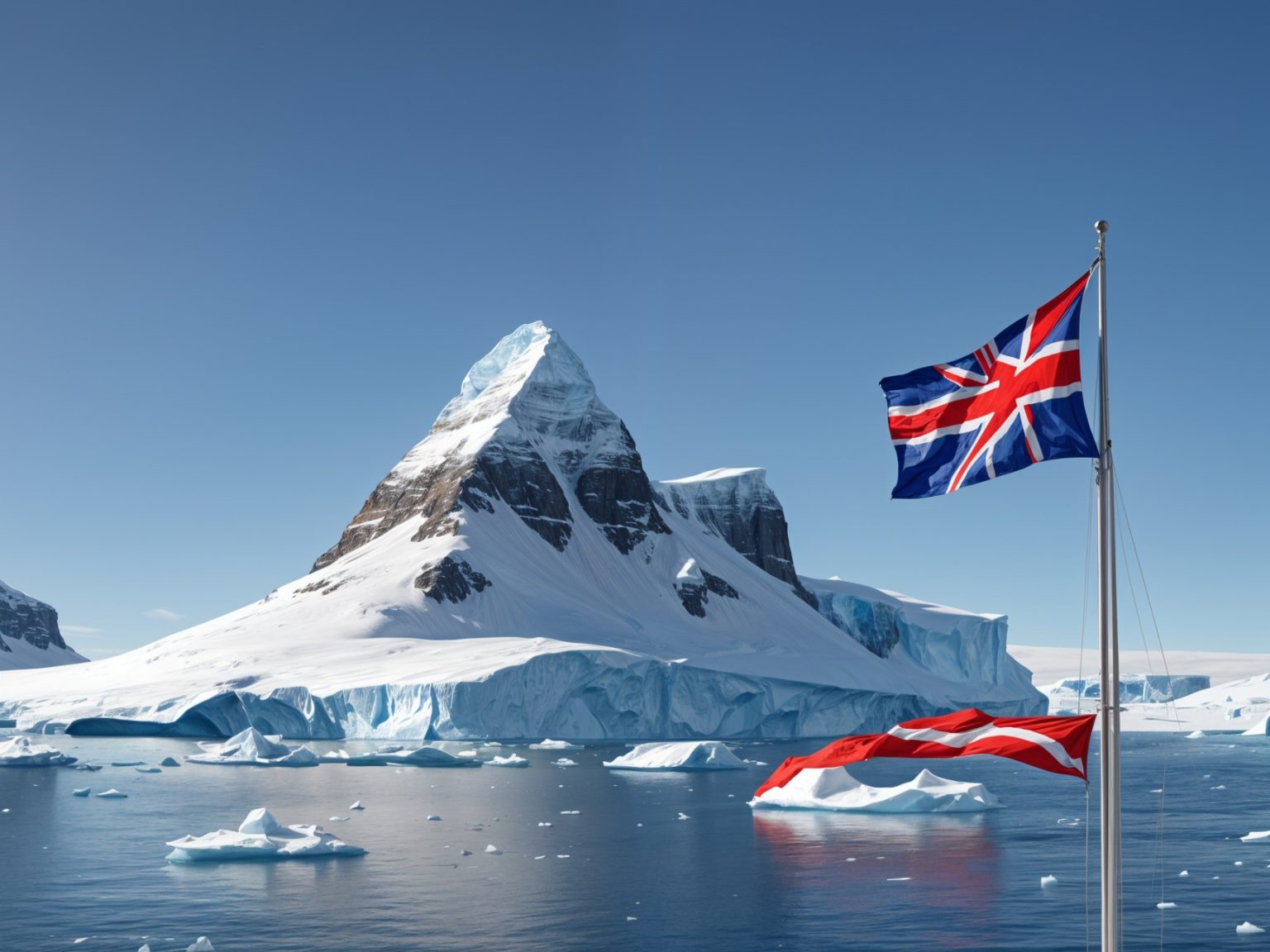
Brief History of Antarctica
Antarctica is the world’s seventh and largest continent, known for its extreme environment and unique natural systems.
A Continent of Superlatives
Antarctica holds several extreme records:
Coldest continent: Winter temperatures can drop as low as -93.2°C (-135.8°F)
Largest ice sheet: Around 98% of the continent is covered by ice, forming the largest single ice mass on Earth
Fragile ecosystem: Despite harsh conditions, it supports a unique ecosystem of specially adapted species
History and the Antarctic Treaty
In 1959, 12 nations signed the Antarctic Treaty, declaring Antarctica a continent dedicated to peace and scientific research.
Key rules of the treaty include:
No military operations
No nuclear explosions
No radioactive waste disposal
Today, Antarctica has no permanent population. Only temporary scientists and researchers live there in research stations.
Governance of Antarctica
Antarctica is not governed by a single country. Instead, it is managed through the Antarctic Treaty System, which includes:
The Antarctic Treaty: Establishes the legal framework for managing Antarctica
Consultative Meetings: Annual meetings where member countries discuss Antarctic issues
Environmental Protocol: Protects the environment and regulates human activity
There is no traditional government structure, and all decisions are based on international cooperation.
Human Presence and Population
Antarctica has no indigenous population and no permanent residents. Only temporary visitors such as scientists and support staff stay at research stations.
There is also no concept of a “richest person of Antarctica” since no one is based there permanently. Some business figures may be indirectly linked through tourism operations, but there is no direct ownership or economic residency tied to the continent.
Life for Persons with Disabilities in Antarctica
Because Antarctica is remote and extreme, very limited data exists on the experiences of persons with disabilities there.
However, accessibility challenges are significant due to:
Mobility barriers such as wet landings and steep boarding ramps
Limited accessible infrastructure on ships and research stations
Harsh weather conditions and rough terrain
Despite this, some individuals have achieved notable milestones:
Martin Hewitt: First disabled person to travel from the coast of Antarctica to the South Pole and climb Mount Vinson unsupported
Holly Ferrie: Sailed to Antarctica with the Jubilee Sailing Trust and adapted to challenging landings
Sai Prasad Vishwanathan: First person with a disability from Asia to visit Antarctica as an Antarctic Youth Ambassador
Nancy: First wheelchair user female to reach the Shackleton rescue site
Cory Lee: Wheelchair traveler who visited Antarctica via cruise and highlighted accessible ship facilities
Travel, Tourism, and Access
Travel to Antarctica is strictly regulated to protect the environment.
Key factors include:
Mobility challenges: Wet landings and unstable terrain are common
Limited accessibility: Only some ships and stations offer partial accessibility
Strict regulations: Tourism and expeditions must follow environmental protection rules under the Antarctic Treaty System
Researchers and tourists must comply with strict international guidelines before visiting.
Key Facts About Antarctica
No native inhabitants
Only temporary scientific and research personnel
Governed by the Antarctic Treaty System
Protected for peaceful and scientific use
Tourism exists but is heavily regulated
Conclusion
Antarctica is a continent dedicated to science, environmental protection, and international cooperation. Despite its extreme climate and isolation, the Antarctic Treaty System ensures it remains preserved and used primarily for peaceful research purposes.
Antarctica is the world’s seventh and largest continent, known for its extreme environment and unique natural systems.
A Continent of Superlatives
Antarctica holds several extreme records:
Coldest continent: Winter temperatures can drop as low as -93.2°C (-135.8°F)
Largest ice sheet: Around 98% of the continent is covered by ice, forming the largest single ice mass on Earth
Fragile ecosystem: Despite harsh conditions, it supports a unique ecosystem of specially adapted species
History and the Antarctic Treaty
In 1959, 12 nations signed the Antarctic Treaty, declaring Antarctica a continent dedicated to peace and scientific research.
Key rules of the treaty include:
No military operations
No nuclear explosions
No radioactive waste disposal
Today, Antarctica has no permanent population. Only temporary scientists and researchers live there in research stations.
Governance of Antarctica
Antarctica is not governed by a single country. Instead, it is managed through the Antarctic Treaty System, which includes:
The Antarctic Treaty: Establishes the legal framework for managing Antarctica
Consultative Meetings: Annual meetings where member countries discuss Antarctic issues
Environmental Protocol: Protects the environment and regulates human activity
There is no traditional government structure, and all decisions are based on international cooperation.
Human Presence and Population
Antarctica has no indigenous population and no permanent residents. Only temporary visitors such as scientists and support staff stay at research stations.
There is also no concept of a “richest person of Antarctica” since no one is based there permanently. Some business figures may be indirectly linked through tourism operations, but there is no direct ownership or economic residency tied to the continent.
Life for Persons with Disabilities in Antarctica
Because Antarctica is remote and extreme, very limited data exists on the experiences of persons with disabilities there.
However, accessibility challenges are significant due to:
Mobility barriers such as wet landings and steep boarding ramps
Limited accessible infrastructure on ships and research stations
Harsh weather conditions and rough terrain
Despite this, some individuals have achieved notable milestones:
Martin Hewitt: First disabled person to travel from the coast of Antarctica to the South Pole and climb Mount Vinson unsupported
Holly Ferrie: Sailed to Antarctica with the Jubilee Sailing Trust and adapted to challenging landings
Sai Prasad Vishwanathan: First person with a disability from Asia to visit Antarctica as an Antarctic Youth Ambassador
Nancy: First wheelchair user female to reach the Shackleton rescue site
Cory Lee: Wheelchair traveler who visited Antarctica via cruise and highlighted accessible ship facilities
Travel, Tourism, and Access
Travel to Antarctica is strictly regulated to protect the environment.
Key factors include:
Mobility challenges: Wet landings and unstable terrain are common
Limited accessibility: Only some ships and stations offer partial accessibility
Strict regulations: Tourism and expeditions must follow environmental protection rules under the Antarctic Treaty System
Researchers and tourists must comply with strict international guidelines before visiting.
Key Facts About Antarctica
No native inhabitants
Only temporary scientific and research personnel
Governed by the Antarctic Treaty System
Protected for peaceful and scientific use
Tourism exists but is heavily regulated
Conclusion
Antarctica is a continent dedicated to science, environmental protection, and international cooperation. Despite its extreme climate and isolation, the Antarctic Treaty System ensures it remains preserved and used primarily for peaceful research purposes.