Introduction
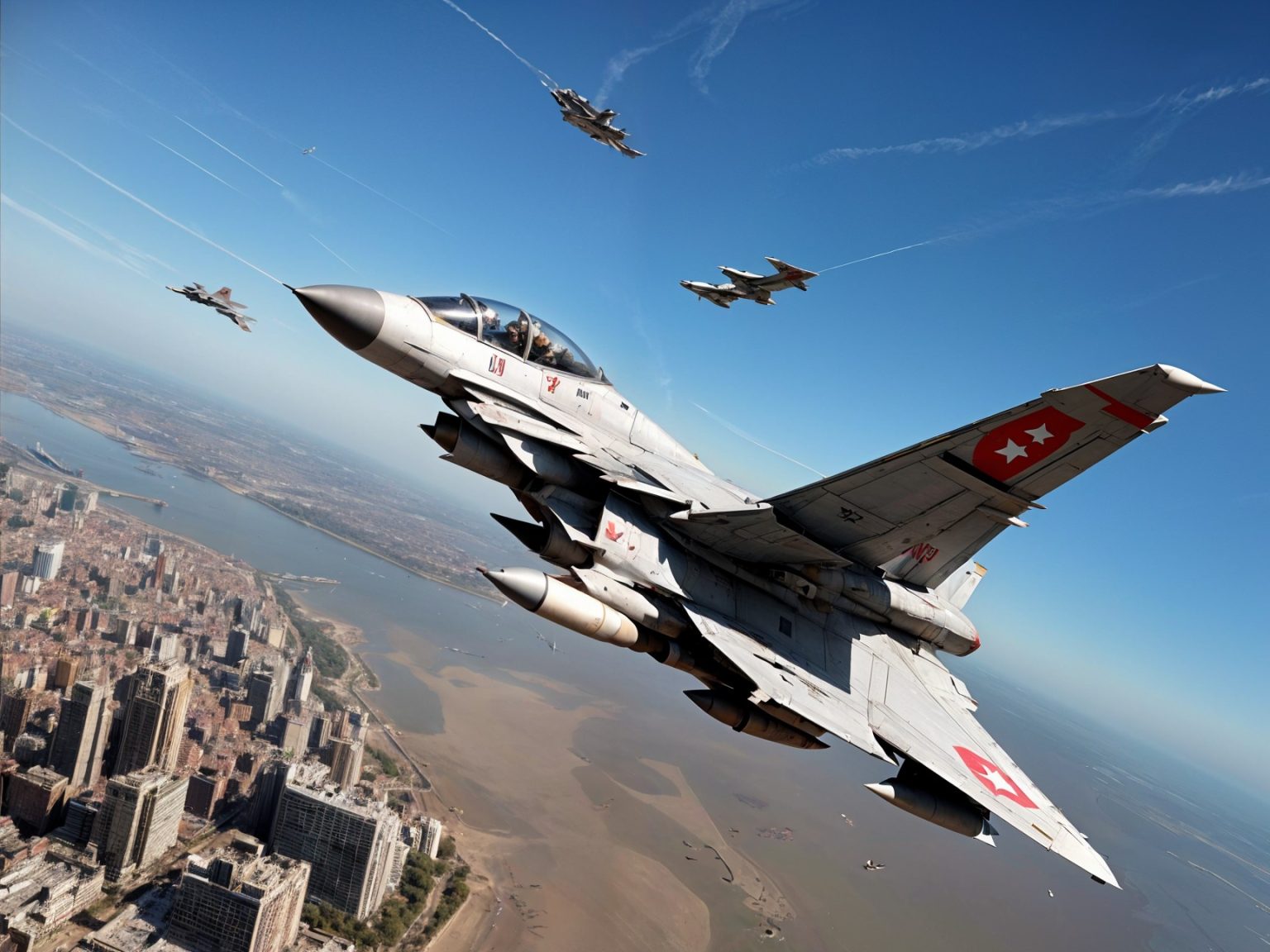
The world is currently facing rising geopolitical tension, with fears of escalation between Israel and Iran raising concerns about broader regional or even global conflict.
Iran maintains a network of regional proxies across the Middle East. These groups form part of its broader strategy to extend influence, deter adversaries, and avoid direct state-to-state confrontation. Most are linked to the Islamic Revolutionary Guard Corps (IRGC), particularly the Quds Force.
Iran’s Key Regional Proxies (as of 2025)
Iran’s influence network includes:
Hezbollah (Lebanon)
Houthis / Ansar Allah (Yemen)
Kata’ib Hezbollah (Iraq)
Asa’ib Ahl al-Haq (Iraq)
Harakat al-Nujaba (Iraq)
Liwa Fatemiyoun (Afghanistan)
Liwa Zaynabiyoun (Pakistan)
Palestinian Islamic Jihad (Gaza)
Hamas (Gaza)
These groups operate across Lebanon, Iraq, Syria, Yemen, and Gaza, often engaging in asymmetric warfare supported through funding, training, and weapons.
Strategic Role of Proxies
Iran’s proxy network allows it to:
Project power without direct war
Maintain strategic depth across multiple regions
Deter adversaries like the U.S. and Israel
Influence regional conflicts indirectly
This structure reduces direct risk while expanding geopolitical reach.
Nuclear Weapons and the Logic of Deterrence
Since the early 2000s, concerns have persisted over Iran potentially developing nuclear weapons. However, nuclear strategy is best understood through deterrence theory, not assumptions of irrational use.
Mutual Assured Destruction (MAD)
MAD is the principle that prevents nuclear war:
If one state uses nuclear weapons, it guarantees its own destruction in retaliation
This creates a stable but high-risk deterrence balance
Even hostile nuclear states avoid escalation because survival is at stake.
Historical Nuclear Behavior
North Korea
Despite extreme rhetoric and isolation, North Korea has never used nuclear weapons. The cost of retaliation prevents escalation.
India and Pakistan
Both possess nuclear weapons but have fought limited wars and avoided nuclear use, including during the 1999 Kargil conflict.
Key Pattern
Across nuclear-armed states, possession has created restraint, not usage.
Why Iran Is Unlikely to Use Nuclear Weapons
1. Religious and Ideological Constraints
Iran’s leadership has issued religious rulings declaring nuclear weapons forbidden (haram), reinforcing internal ideological resistance.
2. Regime Survival Logic
Any nuclear strike would likely trigger overwhelming retaliation from Israel or the United States, threatening regime collapse.
3. Strategic Behavior
Iran consistently uses proxy warfare rather than direct confrontation with nuclear powers, showing calculated restraint.
Regional Nuclear Balance
Israel is widely believed to possess nuclear capabilities under a policy of ambiguity. This alone creates a strong deterrent against any Iranian first use.
Mutual deterrence between regional powers reduces the likelihood of direct nuclear escalation.
Global Constraints on Iran
Iran is not isolated like North Korea. It maintains economic and diplomatic ties with countries including:
China
Russia
Turkey
Other non-aligned states
A nuclear strike would likely result in:
Severe diplomatic isolation
Economic collapse
Military retaliation
Internal destabilization
Conclusion
While Iran’s regional activities and proxy networks create real geopolitical tension, nuclear weapons operate under a different logic.
History shows that nuclear-armed states, regardless of ideology or hostility, act under deterrence constraints rather than offensive use.
The presence of nuclear weapons has consistently produced restraint among adversaries, not escalation.
Vigilance is necessary, but conclusions should be grounded in historical and strategic evidence rather than fear-driven assumptions.
Author Note
Understanding nuclear strategy requires context, history, and rational analysis. Without that, discussions risk becoming emotionally driven rather than fact-based.
The world is currently facing rising geopolitical tension, with fears of escalation between Israel and Iran raising concerns about broader regional or even global conflict.
Iran maintains a network of regional proxies across the Middle East. These groups form part of its broader strategy to extend influence, deter adversaries, and avoid direct state-to-state confrontation. Most are linked to the Islamic Revolutionary Guard Corps (IRGC), particularly the Quds Force.
Iran’s Key Regional Proxies (as of 2025)
Iran’s influence network includes:
Hezbollah (Lebanon)
Houthis / Ansar Allah (Yemen)
Kata’ib Hezbollah (Iraq)
Asa’ib Ahl al-Haq (Iraq)
Harakat al-Nujaba (Iraq)
Liwa Fatemiyoun (Afghanistan)
Liwa Zaynabiyoun (Pakistan)
Palestinian Islamic Jihad (Gaza)
Hamas (Gaza)
These groups operate across Lebanon, Iraq, Syria, Yemen, and Gaza, often engaging in asymmetric warfare supported through funding, training, and weapons.
Strategic Role of Proxies
Iran’s proxy network allows it to:
Project power without direct war
Maintain strategic depth across multiple regions
Deter adversaries like the U.S. and Israel
Influence regional conflicts indirectly
This structure reduces direct risk while expanding geopolitical reach.
Nuclear Weapons and the Logic of Deterrence
Since the early 2000s, concerns have persisted over Iran potentially developing nuclear weapons. However, nuclear strategy is best understood through deterrence theory, not assumptions of irrational use.
Mutual Assured Destruction (MAD)
MAD is the principle that prevents nuclear war:
If one state uses nuclear weapons, it guarantees its own destruction in retaliation
This creates a stable but high-risk deterrence balance
Even hostile nuclear states avoid escalation because survival is at stake.
Historical Nuclear Behavior
North Korea
Despite extreme rhetoric and isolation, North Korea has never used nuclear weapons. The cost of retaliation prevents escalation.
India and Pakistan
Both possess nuclear weapons but have fought limited wars and avoided nuclear use, including during the 1999 Kargil conflict.
Key Pattern
Across nuclear-armed states, possession has created restraint, not usage.
Why Iran Is Unlikely to Use Nuclear Weapons
1. Religious and Ideological Constraints
Iran’s leadership has issued religious rulings declaring nuclear weapons forbidden (haram), reinforcing internal ideological resistance.
2. Regime Survival Logic
Any nuclear strike would likely trigger overwhelming retaliation from Israel or the United States, threatening regime collapse.
3. Strategic Behavior
Iran consistently uses proxy warfare rather than direct confrontation with nuclear powers, showing calculated restraint.
Regional Nuclear Balance
Israel is widely believed to possess nuclear capabilities under a policy of ambiguity. This alone creates a strong deterrent against any Iranian first use.
Mutual deterrence between regional powers reduces the likelihood of direct nuclear escalation.
Global Constraints on Iran
Iran is not isolated like North Korea. It maintains economic and diplomatic ties with countries including:
China
Russia
Turkey
Other non-aligned states
A nuclear strike would likely result in:
Severe diplomatic isolation
Economic collapse
Military retaliation
Internal destabilization
Conclusion
While Iran’s regional activities and proxy networks create real geopolitical tension, nuclear weapons operate under a different logic.
History shows that nuclear-armed states, regardless of ideology or hostility, act under deterrence constraints rather than offensive use.
The presence of nuclear weapons has consistently produced restraint among adversaries, not escalation.
Vigilance is necessary, but conclusions should be grounded in historical and strategic evidence rather than fear-driven assumptions.
Author Note
Understanding nuclear strategy requires context, history, and rational analysis. Without that, discussions risk becoming emotionally driven rather than fact-based.