### The Long Walk to Inclusivity: Reviewing Disability Rights and the Disabilities Act in Nigeria
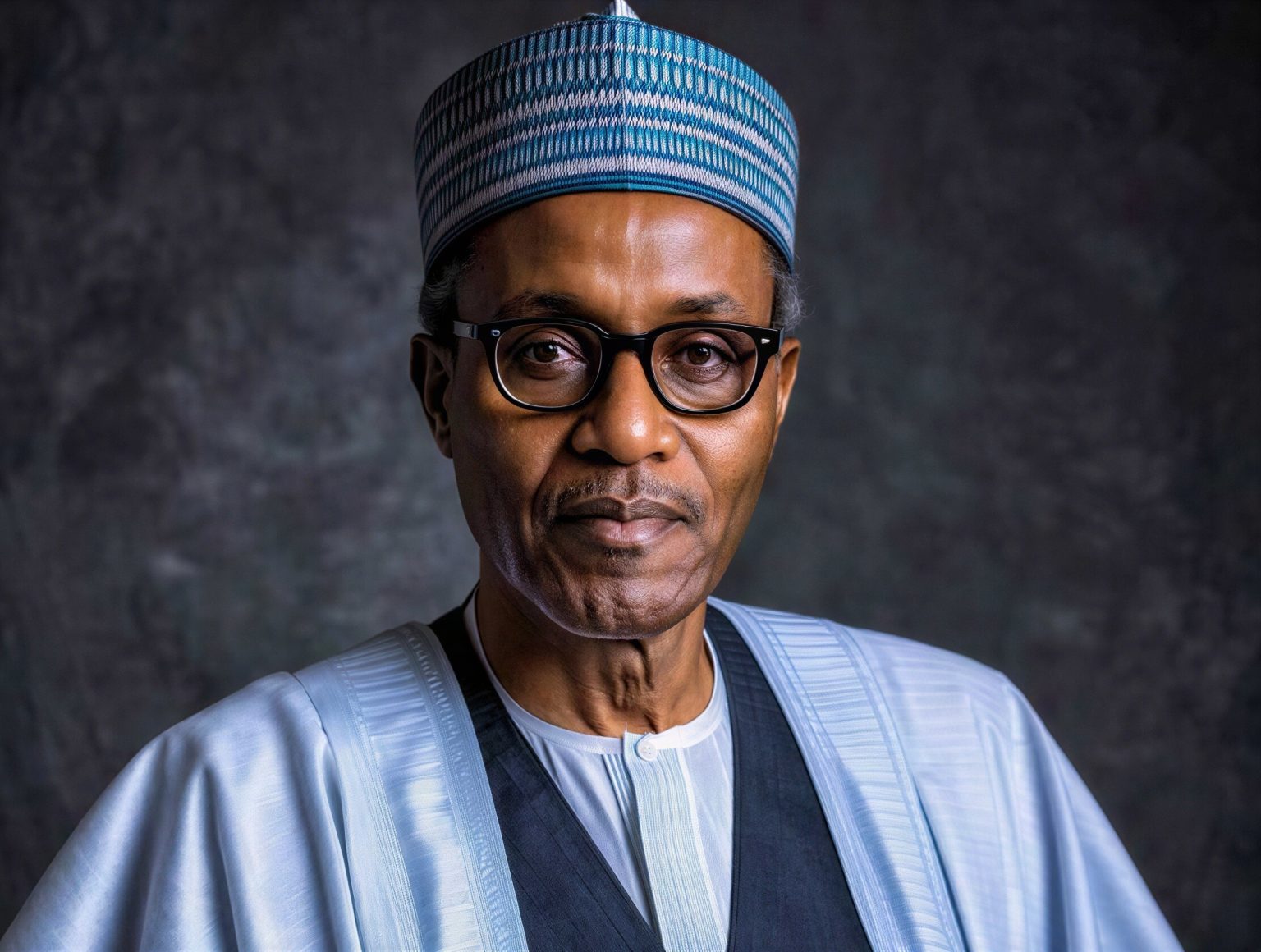
In Nigeria, the journey towards recognizing the rights of persons with disabilities (PWDs) has been long and arduous. Historically, the rights and privileges of PWDs have faced neglect, and it wasn’t until 2018 that a significant breakthrough occurred. The signing of the Discrimination Against Persons with Disabilities (Prohibition) Act by President Muhammadu Buhari broke the ice for PWDs in Nigeria.
This article will delve into Buhari’s policies and initiatives aimed at supporting PWDs, examine compliance by various governments, and explore the future of disability rights in Nigeria and Africa as a whole. Furthermore, we will provide a comparative analysis of PWD rights in Nigeria versus developed countries.
***The Significance of the Disabilities Act***
The Discrimination Against Persons with Disabilities (Prohibition) Act is a landmark piece of legislation that aims to ensure that PWDs have equal access to opportunities and protections. This Act prohibits discrimination against PWDs in various areas, including education, healthcare, and employment.
**Key Provisions of the Act:**
* **Equal Opportunity:** Ensures PWDs are treated equally in all aspects of life.
* **Accessibility:** Mandates that public buildings and spaces be made accessible to PWDs.
* **Employment Rights:** Protects PWDs from job discrimination and promotes their inclusion in the workplace.
President Buhari was instrumental in promoting the rights of PWDs in Nigeria. His administration not only signed the Disabilities Act into law but also worked toward implementing various policies aimed at improving the livelihoods and opportunities available to PWDs across the nation.
***The Journey of Advocacy for PWDs in Nigeria***
Before the formal introduction of the Disabilities Act, Nigeria lacked a comprehensive, enforceable legal framework dedicated specifically to protecting the rights of PWDs. Advocacy groups and non-governmental organizations (NGOs) tirelessly worked to raise awareness about the daily challenges faced by the community.
Key milestones in this historical journey include:
* **Formation of Advocacy Groups:** Grassroots organizations uniting to fight systematically for disability rights.
* **International Collaboration:** Building strategic partnerships with global NGOs to amplify awareness and secure international support.
Activists have been absolutely critical in pushing for these policy changes. They have organized protests, directly lobbied government officials, and creatively utilized social media platforms to give a clear voice to the struggles faced by PWDs.
***Compliance and Implementation Challenges Across Government Entities***
Despite the implementation of the Disabilities Act, compliance across various government sectors and regional authorities has been inconsistent. Several systemic factors continue to hinder full compliance:
1. **Lack of Awareness:** Many public officials remain unaware of their specific legal responsibilities under the Disabilities Act.
2. **Insufficient Funding:** Tight budget constraints severely limit the ability of agencies to implement necessary structural and logistical changes.
3. **Cultural Barriers:** Deep-seated societal attitudes toward disability often slow down institutional progress.
On the other hand, there have been positive developments in select sectors, showcasing successful efforts in complying with the law. Certain public institutions have begun to actively adapt their physical facilities to make them more accessible, and targeted educational programs are emerging to specifically cater to PWDs.
***10 Major Challenges Still Facing PWDs in Nigeria and Africa***
However, Persons with disabilities (PWDs) in Nigeria and Africa still face numerous structural and social challenges that hinder their full participation in society. Here are the main challenges:
**1. Lack of Awareness and Education**
* Many people, including government officials and the general public, lack deep awareness about the legal rights of PWDs.
* Some educational institutions often do not cater to the specific learning and physical needs of students with disabilities.
**2. Limited Physical Accessibility**
* Public buildings, transportation systems, and recreational facilities are often not designed to be accessible for PWDs.
* Inadequate road and urban infrastructure severely limits independent mobility and access to essential services.
**3. Societal Attitudes and Stigma**
* Negative stereotypes and misconceptions about disabilities lead to systemic discrimination and social exclusion.
* PWDs frequently face bullying, harassment, or emotional marginalization in various aspects of community life.
**4. Employment Discrimination**
* Many employers remain reluctant to hire PWDs due to implicit biases or a lack of understanding about their professional capabilities.
* Limited opportunities for targeted skill development and modern employment training further exacerbate unemployment rates among PWDs.
**5. Insufficient Legal Protections and Enforcement**
* Although the Disabilities Act exists on paper, legal enforcement is often weak, and compliance varies heavily across regions and sectors.
* Many PWDs are unaware of their exact rights under the law or lack the financial resources to access legal help.
**6. Healthcare Barriers**
* Access to healthcare services is challenging, with medical facilities frequently lacking appropriate accommodations or specialized equipment.
* PWDs face difficulties obtaining necessary medical supplies, assistive devices, and affordable specialized care.
**7. Economic Disparities**
* PWDs experience disproportionately higher rates of poverty due to limited job opportunities and historical societal neglect.
* Economic challenges prevent many individuals from accessing foundational education, healthcare, and other essential services.
**8. Inadequate Support Systems**
* There is a lack of sustainable government and community support programs tailored specifically to the diverse needs of PWDs.
* Existing assistance programs often suffer from severe underfunding and insufficient geographic outreach.
**9. Public Transportation Issues**
* Public transport systems frequently lack the necessary structural accommodations for PWDs, making commutes difficult and dangerous.
* Rural areas face additional isolation challenges due to completely inadequate road infrastructure.
**10. Cultural and Religious Factors**
* Some cultural beliefs and traditional practices further marginalize PWDs, incorrectly viewing disability as a taboo or a form of punishment.
* Misunderstandings within local communities can block natural social integration and familial support for PWDs.
These challenges collectively create a significant barrier for PWDs in Nigeria and Africa, underscoring the urgent need for continued advocacy, strict policy enforcement, and widespread societal change to promote true inclusivity and equality.
***The Future for PWDs in Nigeria and Africa***
The future holds significant promise for PWDs in Nigeria and across Africa. Increasing awareness and structured advocacy for disability rights are gradually leading to more inclusive policy drafts.
Key areas of focus for future advancement include:
* **Education:** Expanding tailored educational programs and specialized learning aids for PWDs.
* **Employment Initiatives:** Promoting vocational skills and entrepreneurship frameworks among PWDs.
* **Assistive Technology:** Increasing the local manufacturing and affordable availability of aids that assist PWDs in daily life.
***Regional and Global Comparisons***
To better understand where the region stands, it is helpful to contrast the current landscape with frameworks found in more developed systems.
| Area | Nigeria | Developed Countries |
|---|---|---|
| **Legislation** | Disabilities Act (Passed into law) | Comprehensive, deeply entrenched Disability Laws |
| **Accessibility** | Limited infrastructure; ongoing adjustments | High levels of universal design and accessibility |
| **Employment Opportunities** | Growing awareness; emerging workplace policies | Established quotas, support systems, and anti-bias laws |
| **Awareness** | Improving steadily through NGO initiatives | Well-established, institutionalized public advocacy |
***The Critical Role of Assistive Aids***
Assistive aids are absolutely critical for PWDs, directly enhancing their ability to participate fully and independently in modern society. These aids can range from physical mobility devices to advanced software technology that facilitates daily digital communication.
While there are emerging initiatives to make assistive aids more accessible in Nigeria, the disparity in availability compared to developed countries remains stark. Strategic collaboration between the government and the private sector is vital to bridge this gap.
| Country | Availability of Assistive Aids | Public Awareness Efforts |
|---|---|---|
| **Nigeria** | Limited accessibility; ongoing efforts to import/distribute | Growing awareness heavily driven by NGOs |
| **Developed Countries** | Widespread availability; robust state-funded supply lines | Strong, systemic national advocacy and support |
***Conclusion***
The formal commitment to the rights of persons with disabilities marks a transformative phase in Nigeria’s approach to human rights. While implementation and systemic challenges remain, the advancements made since the signing of the Disabilities Act signal a brighter, more accountable future for PWDs in Nigeria and Africa. Continued grassroots advocacy, institutional compliance, and public awareness are crucial for ensuring that the rights and privileges of PWDs are permanently recognized and upheld.
***Final Thoughts***
As Nigeria continues to evolve, it is essential for all stakeholders—the government, NGOs, and society at large—to work collaboratively towards creating a universally inclusive environment. Only through collective, deliberate efforts can we truly befriend persons with disabilities, empower them, and build an inclusive world.
***Support Our Advocacy***
**Buy us a coffee: Show love, share kindness!** Support our PWD page and create a more inclusive world. Donate any amount to support our PWD advocacy page.
* **PayPal:** ikeagwuizidor@gmail.com
* **Zenith Bank Plc Nigeria:** Account Number 1003235561
You may find these resources useful. When you make a purchase, we earn a commission and you will be a disabilities advocate champion! 😁
* LearnWorlds Resources
* Additional Advocacy Tools
* Buy *Business Words Used Offline* by Izidor Jacob on Selar
* Buy *Affiliate Marketing Secrets* by Izidor Jacob on Selar
* Stakecut Affiliate Resource
***About the Author***
**Izidor J. Ikeagwu/jasdorblog.com** is a global human rights advocate tracking accountability and inclusivity. Follow for data-driven analysis of systemic inequities.
*Disclaimer: This article synthesizes verified local documents and civil society reports. No proprietary data was used.*
In Nigeria, the journey towards recognizing the rights of persons with disabilities (PWDs) has been long and arduous. Historically, the rights and privileges of PWDs have faced neglect, and it wasn’t until 2018 that a significant breakthrough occurred. The signing of the Discrimination Against Persons with Disabilities (Prohibition) Act by President Muhammadu Buhari broke the ice for PWDs in Nigeria.
This article will delve into Buhari’s policies and initiatives aimed at supporting PWDs, examine compliance by various governments, and explore the future of disability rights in Nigeria and Africa as a whole. Furthermore, we will provide a comparative analysis of PWD rights in Nigeria versus developed countries.
***The Significance of the Disabilities Act***
The Discrimination Against Persons with Disabilities (Prohibition) Act is a landmark piece of legislation that aims to ensure that PWDs have equal access to opportunities and protections. This Act prohibits discrimination against PWDs in various areas, including education, healthcare, and employment.
**Key Provisions of the Act:**
* **Equal Opportunity:** Ensures PWDs are treated equally in all aspects of life.
* **Accessibility:** Mandates that public buildings and spaces be made accessible to PWDs.
* **Employment Rights:** Protects PWDs from job discrimination and promotes their inclusion in the workplace.
President Buhari was instrumental in promoting the rights of PWDs in Nigeria. His administration not only signed the Disabilities Act into law but also worked toward implementing various policies aimed at improving the livelihoods and opportunities available to PWDs across the nation.
***The Journey of Advocacy for PWDs in Nigeria***
Before the formal introduction of the Disabilities Act, Nigeria lacked a comprehensive, enforceable legal framework dedicated specifically to protecting the rights of PWDs. Advocacy groups and non-governmental organizations (NGOs) tirelessly worked to raise awareness about the daily challenges faced by the community.
Key milestones in this historical journey include:
* **Formation of Advocacy Groups:** Grassroots organizations uniting to fight systematically for disability rights.
* **International Collaboration:** Building strategic partnerships with global NGOs to amplify awareness and secure international support.
Activists have been absolutely critical in pushing for these policy changes. They have organized protests, directly lobbied government officials, and creatively utilized social media platforms to give a clear voice to the struggles faced by PWDs.
***Compliance and Implementation Challenges Across Government Entities***
Despite the implementation of the Disabilities Act, compliance across various government sectors and regional authorities has been inconsistent. Several systemic factors continue to hinder full compliance:
1. **Lack of Awareness:** Many public officials remain unaware of their specific legal responsibilities under the Disabilities Act.
2. **Insufficient Funding:** Tight budget constraints severely limit the ability of agencies to implement necessary structural and logistical changes.
3. **Cultural Barriers:** Deep-seated societal attitudes toward disability often slow down institutional progress.
On the other hand, there have been positive developments in select sectors, showcasing successful efforts in complying with the law. Certain public institutions have begun to actively adapt their physical facilities to make them more accessible, and targeted educational programs are emerging to specifically cater to PWDs.
***10 Major Challenges Still Facing PWDs in Nigeria and Africa***
However, Persons with disabilities (PWDs) in Nigeria and Africa still face numerous structural and social challenges that hinder their full participation in society. Here are the main challenges:
**1. Lack of Awareness and Education**
* Many people, including government officials and the general public, lack deep awareness about the legal rights of PWDs.
* Some educational institutions often do not cater to the specific learning and physical needs of students with disabilities.
**2. Limited Physical Accessibility**
* Public buildings, transportation systems, and recreational facilities are often not designed to be accessible for PWDs.
* Inadequate road and urban infrastructure severely limits independent mobility and access to essential services.
**3. Societal Attitudes and Stigma**
* Negative stereotypes and misconceptions about disabilities lead to systemic discrimination and social exclusion.
* PWDs frequently face bullying, harassment, or emotional marginalization in various aspects of community life.
**4. Employment Discrimination**
* Many employers remain reluctant to hire PWDs due to implicit biases or a lack of understanding about their professional capabilities.
* Limited opportunities for targeted skill development and modern employment training further exacerbate unemployment rates among PWDs.
**5. Insufficient Legal Protections and Enforcement**
* Although the Disabilities Act exists on paper, legal enforcement is often weak, and compliance varies heavily across regions and sectors.
* Many PWDs are unaware of their exact rights under the law or lack the financial resources to access legal help.
**6. Healthcare Barriers**
* Access to healthcare services is challenging, with medical facilities frequently lacking appropriate accommodations or specialized equipment.
* PWDs face difficulties obtaining necessary medical supplies, assistive devices, and affordable specialized care.
**7. Economic Disparities**
* PWDs experience disproportionately higher rates of poverty due to limited job opportunities and historical societal neglect.
* Economic challenges prevent many individuals from accessing foundational education, healthcare, and other essential services.
**8. Inadequate Support Systems**
* There is a lack of sustainable government and community support programs tailored specifically to the diverse needs of PWDs.
* Existing assistance programs often suffer from severe underfunding and insufficient geographic outreach.
**9. Public Transportation Issues**
* Public transport systems frequently lack the necessary structural accommodations for PWDs, making commutes difficult and dangerous.
* Rural areas face additional isolation challenges due to completely inadequate road infrastructure.
**10. Cultural and Religious Factors**
* Some cultural beliefs and traditional practices further marginalize PWDs, incorrectly viewing disability as a taboo or a form of punishment.
* Misunderstandings within local communities can block natural social integration and familial support for PWDs.
These challenges collectively create a significant barrier for PWDs in Nigeria and Africa, underscoring the urgent need for continued advocacy, strict policy enforcement, and widespread societal change to promote true inclusivity and equality.
***The Future for PWDs in Nigeria and Africa***
The future holds significant promise for PWDs in Nigeria and across Africa. Increasing awareness and structured advocacy for disability rights are gradually leading to more inclusive policy drafts.
Key areas of focus for future advancement include:
* **Education:** Expanding tailored educational programs and specialized learning aids for PWDs.
* **Employment Initiatives:** Promoting vocational skills and entrepreneurship frameworks among PWDs.
* **Assistive Technology:** Increasing the local manufacturing and affordable availability of aids that assist PWDs in daily life.
***Regional and Global Comparisons***
To better understand where the region stands, it is helpful to contrast the current landscape with frameworks found in more developed systems.
| Area | Nigeria | Developed Countries |
|---|---|---|
| **Legislation** | Disabilities Act (Passed into law) | Comprehensive, deeply entrenched Disability Laws |
| **Accessibility** | Limited infrastructure; ongoing adjustments | High levels of universal design and accessibility |
| **Employment Opportunities** | Growing awareness; emerging workplace policies | Established quotas, support systems, and anti-bias laws |
| **Awareness** | Improving steadily through NGO initiatives | Well-established, institutionalized public advocacy |
***The Critical Role of Assistive Aids***
Assistive aids are absolutely critical for PWDs, directly enhancing their ability to participate fully and independently in modern society. These aids can range from physical mobility devices to advanced software technology that facilitates daily digital communication.
While there are emerging initiatives to make assistive aids more accessible in Nigeria, the disparity in availability compared to developed countries remains stark. Strategic collaboration between the government and the private sector is vital to bridge this gap.
| Country | Availability of Assistive Aids | Public Awareness Efforts |
|---|---|---|
| **Nigeria** | Limited accessibility; ongoing efforts to import/distribute | Growing awareness heavily driven by NGOs |
| **Developed Countries** | Widespread availability; robust state-funded supply lines | Strong, systemic national advocacy and support |
***Conclusion***
The formal commitment to the rights of persons with disabilities marks a transformative phase in Nigeria’s approach to human rights. While implementation and systemic challenges remain, the advancements made since the signing of the Disabilities Act signal a brighter, more accountable future for PWDs in Nigeria and Africa. Continued grassroots advocacy, institutional compliance, and public awareness are crucial for ensuring that the rights and privileges of PWDs are permanently recognized and upheld.
***Final Thoughts***
As Nigeria continues to evolve, it is essential for all stakeholders—the government, NGOs, and society at large—to work collaboratively towards creating a universally inclusive environment. Only through collective, deliberate efforts can we truly befriend persons with disabilities, empower them, and build an inclusive world.
***Support Our Advocacy***
**Buy us a coffee: Show love, share kindness!** Support our PWD page and create a more inclusive world. Donate any amount to support our PWD advocacy page.
* **PayPal:** ikeagwuizidor@gmail.com
* **Zenith Bank Plc Nigeria:** Account Number 1003235561
You may find these resources useful. When you make a purchase, we earn a commission and you will be a disabilities advocate champion! 😁
* LearnWorlds Resources
* Additional Advocacy Tools
* Buy *Business Words Used Offline* by Izidor Jacob on Selar
* Buy *Affiliate Marketing Secrets* by Izidor Jacob on Selar
* Stakecut Affiliate Resource
***About the Author***
**Izidor J. Ikeagwu/jasdorblog.com** is a global human rights advocate tracking accountability and inclusivity. Follow for data-driven analysis of systemic inequities.
*Disclaimer: This article synthesizes verified local documents and civil society reports. No proprietary data was used.*