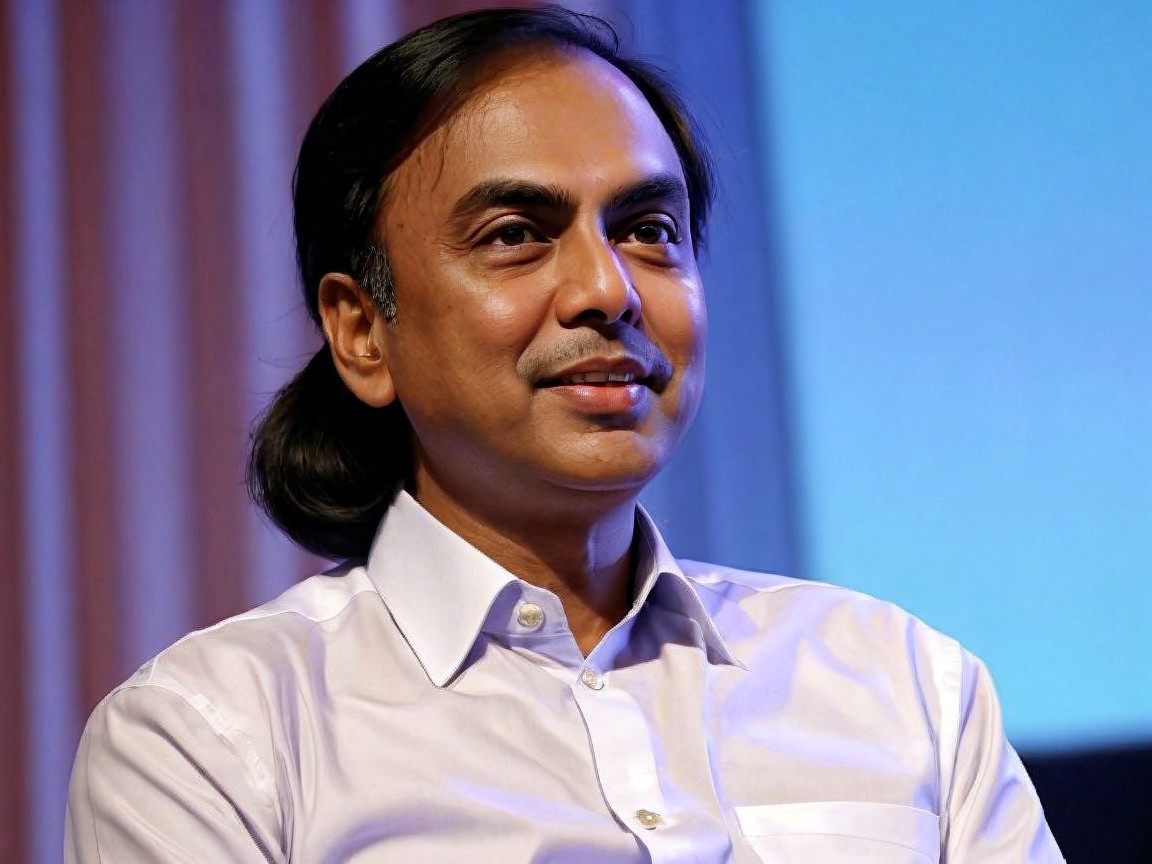
Mukesh Dhirubhai Ambani: Biography and Business Profile
Mukesh Ambani is one of the most influential business figures in modern Asia. As chairman of Reliance Industries, his decisions have reshaped major sectors in India, including petrochemicals, energy, telecommunications, and retail.
As of mid-2024, public estimates placed his net worth between approximately $86.9 billion and $115.3 billion, depending on market conditions and valuation models tied to Reliance Industries’ performance.
Early Life and Education
Mukesh Ambani was born on April 19, 1957, in Aden (then Aden Protectorate) to Dhirubhai and Kokilaben Ambani.
After returning to India, he grew up in Mumbai and studied at:
Hill Grange High School, Mumbai
Institute of Chemical Technology (chemical engineering)
Stanford University (MBA, not completed)
He left Stanford in 1980 to join his father’s expanding business empire.
Influence of Dhirubhai Ambani
Dhirubhai Ambani, founder of Reliance Industries, played a central role in shaping Mukesh Ambani’s business mindset.
Key influences included:
Strong emphasis on ambition and scale
Risk-taking in capital-intensive industries
Focus on building long-term industrial capacity
Mukesh Ambani has often credited his father as the foundation of his entrepreneurial direction.
Building Reliance Industries
Reliance grew into a diversified conglomerate through several major strategic pillars:
1. Petrochemicals and Vertical Integration
Reliance built a fully integrated supply chain from raw materials to refining and production, improving efficiency and global competitiveness.
2. Large-Scale Capital Investment
The company consistently invested in massive industrial projects, using scale as a competitive advantage.
3. Jio Digital Revolution
Reliance Jio disrupted India’s telecom market by offering low-cost data and mobile services, rapidly gaining hundreds of millions of users.
4. Retail Expansion
Reliance Retail expanded into groceries, electronics, fashion, and daily essentials, becoming one of India’s largest organized retail networks.
Leadership and Management Style
Mukesh Ambani’s leadership approach is defined by:
Long-term, high-impact strategic investments
Aggressive expansion into new sectors
Strong control over capital allocation
Partnerships with global firms for expansion
Centralized strategy with delegated operational execution
Personal and Philanthropic Life
Mukesh Ambani is married to Nita Ambani. They have three children:
Isha Ambani
Akash Ambani
Anant Ambani
Nita Ambani leads the Reliance Foundation.
Reliance Foundation Initiatives
The Reliance Foundation focuses on large-scale social impact programs:
1. Education
Scholarships
School development programs
Vocational training
2. Healthcare
Hospitals and medical partnerships
Rural healthcare programs
Disaster relief efforts
3. Disability Inclusion
Inclusive education initiatives
Rehabilitation support
NGO partnerships
Controversies and Challenges
Reliance Industries has faced multiple controversies typical of large conglomerates:
Regulatory scrutiny over telecom market disruption from Jio
Competition-related disputes
Various legal and commercial cases
Future Direction of Reliance Industries
Reliance is currently shifting toward future-facing industries, including:
Renewable energy
Green hydrogen
Clean fuels
Digital infrastructure and technology expansion
The company’s long-term strategy focuses on sustainability and continued digital transformation.
Conclusion
Mukesh Ambani’s rise from a family business background to one of the world’s most powerful industrial empires reflects long-term strategic execution, large-scale risk-taking, and structural economic influence across India.
His leadership of Reliance Industries continues to shape India’s industrial, digital, and consumer economy.
Sources
Forbes (Real-Time Billionaires)
Bloomberg Billionaires Index
Reliance Industries Limited Annual Reports
Mukesh Ambani is one of the most influential business figures in modern Asia. As chairman of Reliance Industries, his decisions have reshaped major sectors in India, including petrochemicals, energy, telecommunications, and retail.
As of mid-2024, public estimates placed his net worth between approximately $86.9 billion and $115.3 billion, depending on market conditions and valuation models tied to Reliance Industries’ performance.
Early Life and Education
Mukesh Ambani was born on April 19, 1957, in Aden (then Aden Protectorate) to Dhirubhai and Kokilaben Ambani.
After returning to India, he grew up in Mumbai and studied at:
Hill Grange High School, Mumbai
Institute of Chemical Technology (chemical engineering)
Stanford University (MBA, not completed)
He left Stanford in 1980 to join his father’s expanding business empire.
Influence of Dhirubhai Ambani
Dhirubhai Ambani, founder of Reliance Industries, played a central role in shaping Mukesh Ambani’s business mindset.
Key influences included:
Strong emphasis on ambition and scale
Risk-taking in capital-intensive industries
Focus on building long-term industrial capacity
Mukesh Ambani has often credited his father as the foundation of his entrepreneurial direction.
Building Reliance Industries
Reliance grew into a diversified conglomerate through several major strategic pillars:
1. Petrochemicals and Vertical Integration
Reliance built a fully integrated supply chain from raw materials to refining and production, improving efficiency and global competitiveness.
2. Large-Scale Capital Investment
The company consistently invested in massive industrial projects, using scale as a competitive advantage.
3. Jio Digital Revolution
Reliance Jio disrupted India’s telecom market by offering low-cost data and mobile services, rapidly gaining hundreds of millions of users.
4. Retail Expansion
Reliance Retail expanded into groceries, electronics, fashion, and daily essentials, becoming one of India’s largest organized retail networks.
Leadership and Management Style
Mukesh Ambani’s leadership approach is defined by:
Long-term, high-impact strategic investments
Aggressive expansion into new sectors
Strong control over capital allocation
Partnerships with global firms for expansion
Centralized strategy with delegated operational execution
Personal and Philanthropic Life
Mukesh Ambani is married to Nita Ambani. They have three children:
Isha Ambani
Akash Ambani
Anant Ambani
Nita Ambani leads the Reliance Foundation.
Reliance Foundation Initiatives
The Reliance Foundation focuses on large-scale social impact programs:
1. Education
Scholarships
School development programs
Vocational training
2. Healthcare
Hospitals and medical partnerships
Rural healthcare programs
Disaster relief efforts
3. Disability Inclusion
Inclusive education initiatives
Rehabilitation support
NGO partnerships
Controversies and Challenges
Reliance Industries has faced multiple controversies typical of large conglomerates:
Regulatory scrutiny over telecom market disruption from Jio
Competition-related disputes
Various legal and commercial cases
Future Direction of Reliance Industries
Reliance is currently shifting toward future-facing industries, including:
Renewable energy
Green hydrogen
Clean fuels
Digital infrastructure and technology expansion
The company’s long-term strategy focuses on sustainability and continued digital transformation.
Conclusion
Mukesh Ambani’s rise from a family business background to one of the world’s most powerful industrial empires reflects long-term strategic execution, large-scale risk-taking, and structural economic influence across India.
His leadership of Reliance Industries continues to shape India’s industrial, digital, and consumer economy.
Sources
Forbes (Real-Time Billionaires)
Bloomberg Billionaires Index
Reliance Industries Limited Annual Reports