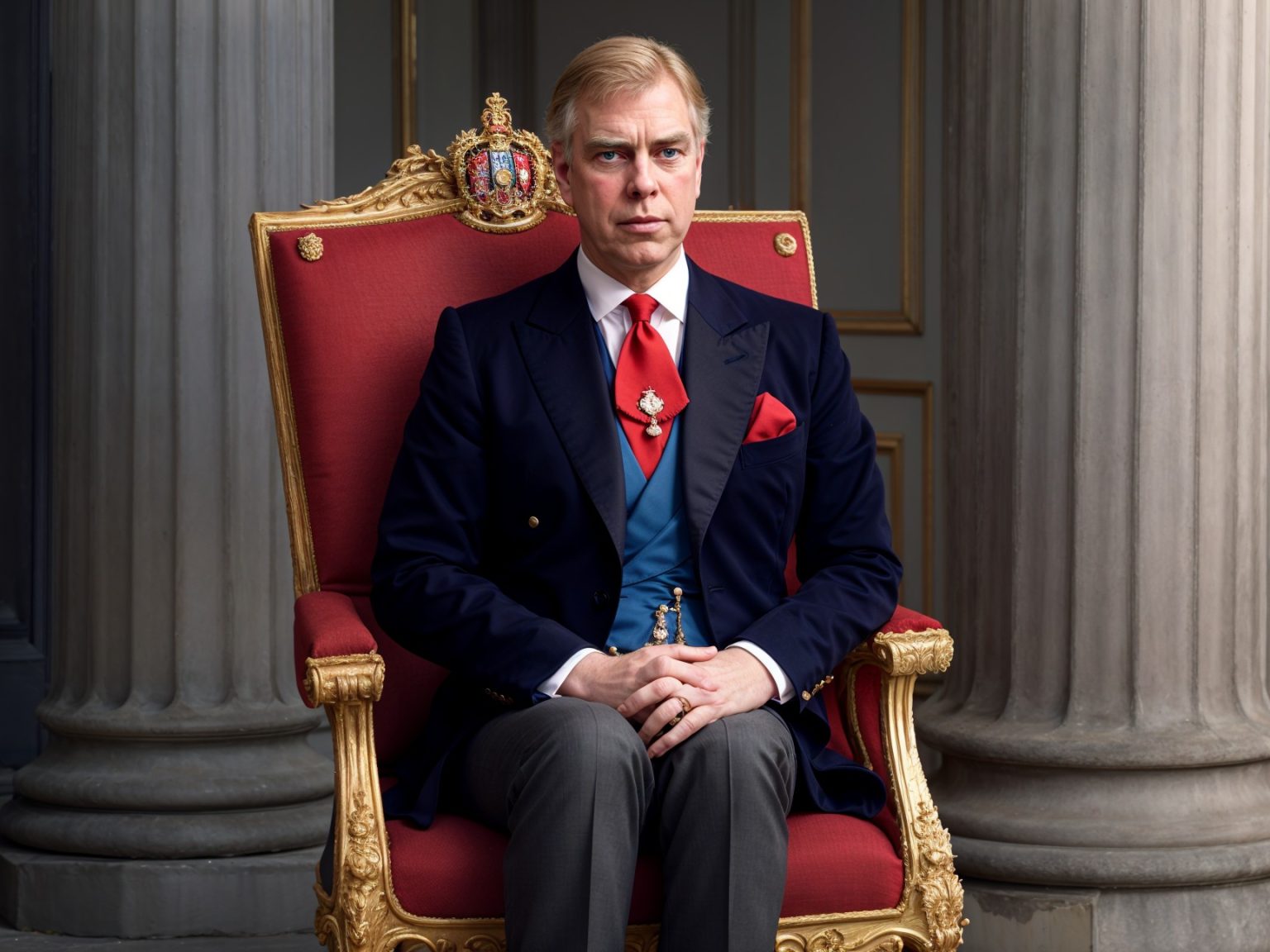
Prince Andrew: Fall From Royal Grace and the Future of the British Monarchy
Introduction
In a dramatic turn of events that has sent shockwaves through the British monarchy and global headlines, Prince Andrew, the Duke of York and second son of the late Queen Elizabeth II, has been formally stripped of his royal titles and privileges and effectively banished from royal duties.
This unprecedented decision, sanctioned by King Charles III, marks one of the most severe internal disciplinary actions in modern royal history. It places Prince Andrew at the center of a scandal that has damaged the Crown’s reputation and raised critical questions about accountability, privilege, and justice.
This article provides a chronological analysis of the events leading to Prince Andrew’s fall from grace, the fallout within the royal family, and the broader implications for the future of the monarchy.
The Epstein Scandal
Who is Jeffrey Epstein?
Jeffrey Epstein was an American financier and convicted sex offender who became one of the most controversial figures in modern history due to his connections with global elites and his involvement in a sex trafficking network involving underage girls.
Epstein was arrested in 2019 on federal sex trafficking and conspiracy charges but died by suicide in jail before trial.
Over decades, he built relationships with powerful individuals across politics, finance, and entertainment. His properties in New York, Palm Beach, and his private island in the Caribbean became central to allegations of abuse and trafficking.
Among his most controversial associations was his long-standing friendship with Prince Andrew, which began in the late 1990s.
Despite repeated denials of wrongdoing, Andrew’s continued association with Epstein—even after Epstein’s 2008 conviction—became a major public controversy.
Allegations Against Prince Andrew
The most serious allegations were made by Virginia Giuffre (formerly Virginia Roberts), who accused Epstein and Ghislaine Maxwell of trafficking her to engage in sexual acts with powerful men, including Prince Andrew, when she was underage.
She alleged encounters in:
London
New York
Epstein’s private island
The alleged events were said to have occurred in 2001, when she was 17.
These allegations resurfaced in 2015 and again in 2019 following Epstein’s arrest. In 2021, Giuffre filed a civil lawsuit under New York’s Child Victims Act.
In February 2022, Buckingham Palace confirmed an out-of-court settlement reportedly worth £12 million. While Andrew admitted no wrongdoing, the settlement intensified public scrutiny.
Prince Andrew’s Response
Prince Andrew’s public defense has been widely criticized.
His most damaging moment came in a 2019 BBC Newsnight interview with Emily Maitlis.
Key points from the interview included:
He claimed no memory of meeting Giuffre, despite photographic evidence
He made the controversial claim that he could not sweat due to a medical condition
He admitted continued contact with Epstein after his conviction
The interview was widely seen as a public relations disaster and led to immediate pressure for him to step back from royal duties.
He later withdrew from public roles.
The Fallout and Royal Banishment
King Charles’ Decision
King Charles III formally removed Prince Andrew from royal duties and stripped him of honorary military roles and patronages.
Andrew is no longer a working royal and cannot use the HRH (His Royal Highness) style in official capacity.
While he retains the title Duke of York, his public royal role has been effectively terminated.
This decision was framed as necessary to protect the credibility and modern relevance of the monarchy.
It also marked a clear shift from Queen Elizabeth II’s approach, which had been more protective of Andrew despite public pressure.
Loss of Privileges and Titles
Prince Andrew’s restrictions include:
Loss of HRH usage in official functions
Removal from royal duties and representation roles
Stripping of military titles and honorary positions
Severing of over 20 royal patronages
Increasing uncertainty over residence at Royal Lodge
There have also been discussions about the future of his residency and whether Crown Estate control may be reasserted.
Financial Implications
The fallout has also affected Andrew financially:
Loss of commercial opportunities and speaking engagements
Cancellation of a reported £1 million memoir deal
Legal settlement costs from the Giuffre case
Dependence on fixed income from the Duchy of Lancaster (estimated £250,000 annually)
Security arrangements remain controversial, with debates in Parliament about whether taxpayer-funded protection should continue for a non-working royal.
Public and Royal Family Reaction
Public Opinion
Public reaction has largely supported the decision to remove Andrew from royal duties.
A 2023 YouGov poll indicated that a majority of UK respondents approved of the monarchy distancing itself from him.
However, opinion remains divided:
Some argue accountability was overdue
Others point to the absence of criminal conviction
Online discourse remains highly polarized
Royal Family Position
The royal family has maintained public silence, but internal reporting suggests alignment behind the decision.
King Charles III is described as firm on institutional reform
Prince William reportedly supports a “slimmer monarchy” model
Queen Elizabeth II was personally reluctant to impose sanctions during her reign
The situation reflects a broader generational shift in how the monarchy handles internal crises.
Historical Parallels
Prince Andrew’s situation is rare but not without precedent.
King Edward VIII (1936)
Abdicated the throne to marry Wallis Simpson. His departure reshaped the monarchy and demonstrated the institution’s willingness to sacrifice individual members for stability.
Prince Harry and Meghan Markle (2020)
Stepped back voluntarily from royal duties. Unlike Andrew, their departure was self-initiated and not driven by scandal.
Andrew’s case is distinct due to the severity of allegations and institutional removal rather than voluntary exit.
Is There a Path to Redemption?
A return to active royal duty appears extremely unlikely.
Historically, royals removed due to scandal rarely return to public roles.
Possible future scenarios include:
Permanent private retirement
Continued restricted title use without public function
Minimal public visibility under controlled conditions
Any attempt to re-enter public life would likely trigger renewed controversy.
Conclusion
Prince Andrew’s removal from royal duties marks a defining moment for the British monarchy.
It reflects a shift under King Charles III toward institutional accountability and reputational protection, even at the cost of family ties.
The monarchy now faces a broader challenge: maintaining public trust while managing internal crises in an era of intense media scrutiny.
Whether this strengthens or further strains the institution will depend on how consistently these standards are applied in the future.
Introduction
In a dramatic turn of events that has sent shockwaves through the British monarchy and global headlines, Prince Andrew, the Duke of York and second son of the late Queen Elizabeth II, has been formally stripped of his royal titles and privileges and effectively banished from royal duties.
This unprecedented decision, sanctioned by King Charles III, marks one of the most severe internal disciplinary actions in modern royal history. It places Prince Andrew at the center of a scandal that has damaged the Crown’s reputation and raised critical questions about accountability, privilege, and justice.
This article provides a chronological analysis of the events leading to Prince Andrew’s fall from grace, the fallout within the royal family, and the broader implications for the future of the monarchy.
The Epstein Scandal
Who is Jeffrey Epstein?
Jeffrey Epstein was an American financier and convicted sex offender who became one of the most controversial figures in modern history due to his connections with global elites and his involvement in a sex trafficking network involving underage girls.
Epstein was arrested in 2019 on federal sex trafficking and conspiracy charges but died by suicide in jail before trial.
Over decades, he built relationships with powerful individuals across politics, finance, and entertainment. His properties in New York, Palm Beach, and his private island in the Caribbean became central to allegations of abuse and trafficking.
Among his most controversial associations was his long-standing friendship with Prince Andrew, which began in the late 1990s.
Despite repeated denials of wrongdoing, Andrew’s continued association with Epstein—even after Epstein’s 2008 conviction—became a major public controversy.
Allegations Against Prince Andrew
The most serious allegations were made by Virginia Giuffre (formerly Virginia Roberts), who accused Epstein and Ghislaine Maxwell of trafficking her to engage in sexual acts with powerful men, including Prince Andrew, when she was underage.
She alleged encounters in:
London
New York
Epstein’s private island
The alleged events were said to have occurred in 2001, when she was 17.
These allegations resurfaced in 2015 and again in 2019 following Epstein’s arrest. In 2021, Giuffre filed a civil lawsuit under New York’s Child Victims Act.
In February 2022, Buckingham Palace confirmed an out-of-court settlement reportedly worth £12 million. While Andrew admitted no wrongdoing, the settlement intensified public scrutiny.
Prince Andrew’s Response
Prince Andrew’s public defense has been widely criticized.
His most damaging moment came in a 2019 BBC Newsnight interview with Emily Maitlis.
Key points from the interview included:
He claimed no memory of meeting Giuffre, despite photographic evidence
He made the controversial claim that he could not sweat due to a medical condition
He admitted continued contact with Epstein after his conviction
The interview was widely seen as a public relations disaster and led to immediate pressure for him to step back from royal duties.
He later withdrew from public roles.
The Fallout and Royal Banishment
King Charles’ Decision
King Charles III formally removed Prince Andrew from royal duties and stripped him of honorary military roles and patronages.
Andrew is no longer a working royal and cannot use the HRH (His Royal Highness) style in official capacity.
While he retains the title Duke of York, his public royal role has been effectively terminated.
This decision was framed as necessary to protect the credibility and modern relevance of the monarchy.
It also marked a clear shift from Queen Elizabeth II’s approach, which had been more protective of Andrew despite public pressure.
Loss of Privileges and Titles
Prince Andrew’s restrictions include:
Loss of HRH usage in official functions
Removal from royal duties and representation roles
Stripping of military titles and honorary positions
Severing of over 20 royal patronages
Increasing uncertainty over residence at Royal Lodge
There have also been discussions about the future of his residency and whether Crown Estate control may be reasserted.
Financial Implications
The fallout has also affected Andrew financially:
Loss of commercial opportunities and speaking engagements
Cancellation of a reported £1 million memoir deal
Legal settlement costs from the Giuffre case
Dependence on fixed income from the Duchy of Lancaster (estimated £250,000 annually)
Security arrangements remain controversial, with debates in Parliament about whether taxpayer-funded protection should continue for a non-working royal.
Public and Royal Family Reaction
Public Opinion
Public reaction has largely supported the decision to remove Andrew from royal duties.
A 2023 YouGov poll indicated that a majority of UK respondents approved of the monarchy distancing itself from him.
However, opinion remains divided:
Some argue accountability was overdue
Others point to the absence of criminal conviction
Online discourse remains highly polarized
Royal Family Position
The royal family has maintained public silence, but internal reporting suggests alignment behind the decision.
King Charles III is described as firm on institutional reform
Prince William reportedly supports a “slimmer monarchy” model
Queen Elizabeth II was personally reluctant to impose sanctions during her reign
The situation reflects a broader generational shift in how the monarchy handles internal crises.
Historical Parallels
Prince Andrew’s situation is rare but not without precedent.
King Edward VIII (1936)
Abdicated the throne to marry Wallis Simpson. His departure reshaped the monarchy and demonstrated the institution’s willingness to sacrifice individual members for stability.
Prince Harry and Meghan Markle (2020)
Stepped back voluntarily from royal duties. Unlike Andrew, their departure was self-initiated and not driven by scandal.
Andrew’s case is distinct due to the severity of allegations and institutional removal rather than voluntary exit.
Is There a Path to Redemption?
A return to active royal duty appears extremely unlikely.
Historically, royals removed due to scandal rarely return to public roles.
Possible future scenarios include:
Permanent private retirement
Continued restricted title use without public function
Minimal public visibility under controlled conditions
Any attempt to re-enter public life would likely trigger renewed controversy.
Conclusion
Prince Andrew’s removal from royal duties marks a defining moment for the British monarchy.
It reflects a shift under King Charles III toward institutional accountability and reputational protection, even at the cost of family ties.
The monarchy now faces a broader challenge: maintaining public trust while managing internal crises in an era of intense media scrutiny.
Whether this strengthens or further strains the institution will depend on how consistently these standards are applied in the future.