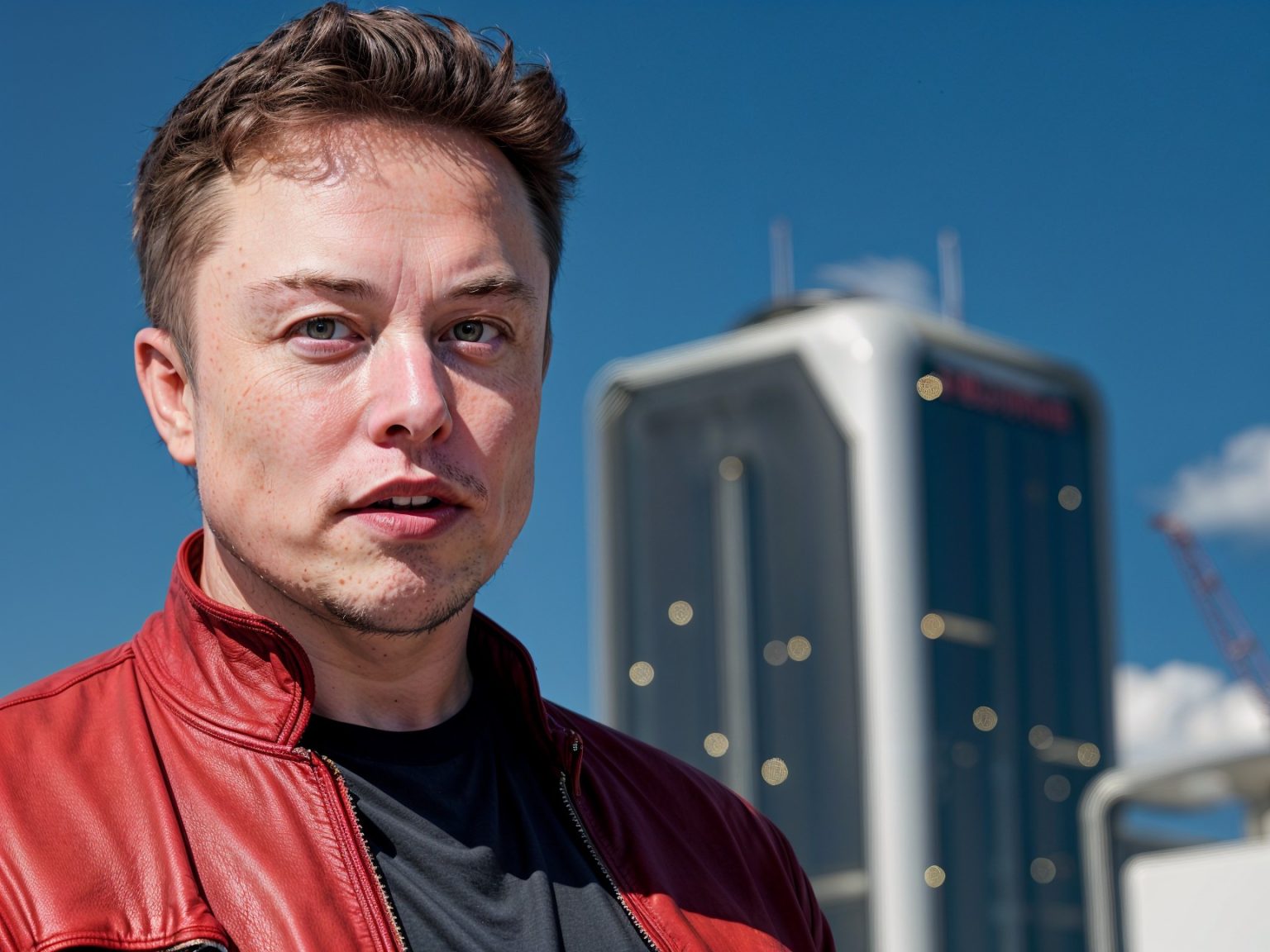
Elon Musk: Founder, Engineer, and Tech Entrepreneur
Elon Musk is an entrepreneur known for leading major companies like Tesla and SpaceX. His work focuses on electric vehicles, space exploration, energy systems, and brain–machine interfaces.
Early Ventures
Musk’s early success came from software startups:
Zip2: A web software company sold to Compaq for over $300 million
PayPal (originally X.com): An online payments platform later sold to eBay for $1.5 billion
These exits gave him the capital to fund larger, more ambitious projects.
Tesla and Electric Vehicles
Through Tesla, Musk pushed electric vehicles into the mainstream.
Key contributions:
Mass production of electric cars
High-performance EV design
Development of autonomous driving systems (Autopilot)
Tesla helped accelerate the global shift toward renewable energy transport.
SpaceX and Mars Vision
Through SpaceX, Musk aims to reduce the cost of space travel and eventually enable human life beyond Earth.
Starship Program (core focus)
Fully reusable rocket system
Designed for Earth orbit, Moon, and Mars missions
Heavy payload capability
Mars Mission Plans (high-level roadmap)
Reported targets include:
Uncrewed Starship missions to Mars (mid-2020s targets are speculative)
Future crewed missions after proving landing and return capability
Long-term goal: self-sustaining human presence on Mars
Key Technical Challenges
Mars landing complexity due to thin atmosphere
Long-duration radiation exposure
Distance and communication delay
Need for closed-loop life support systems
These are still unsolved engineering problems at scale.
Neuralink and Brain Interfaces
Musk also founded Neuralink, which works on brain–machine interfaces.
Goals include:
Medical treatment for neurological disorders
Potential future human–AI interaction systems
This technology is still in early clinical stages.
Public Image and Controversy
Musk is widely known for:
Controversial social media activity
Political and cultural commentary
Management style that is highly demanding and fast-paced
His influence creates both innovation momentum and public backlash.
Personal Life (high-level)
Musk’s personal life has been widely reported in media, including family relationships and public scrutiny. These topics remain separate from his engineering and business work.
Strengths of His Impact
Accelerated electric vehicle adoption
Reduced cost of space access through reusable rockets
Pushed frontier technologies into mainstream discussion
Criticism and Risks
Communication controversies
Management pressure across organizations
High expectations vs technological reality gaps (especially Mars timelines)
Bottom Line
Musk’s real impact is not “finished cities or sci-fi worlds,” but:
building transport infrastructure for space
scaling electric mobility
pushing experimental tech forward faster than traditional industries
Everything beyond that is either projection or speculation unless officially confirmed.
Elon Musk is an entrepreneur known for leading major companies like Tesla and SpaceX. His work focuses on electric vehicles, space exploration, energy systems, and brain–machine interfaces.
Early Ventures
Musk’s early success came from software startups:
Zip2: A web software company sold to Compaq for over $300 million
PayPal (originally X.com): An online payments platform later sold to eBay for $1.5 billion
These exits gave him the capital to fund larger, more ambitious projects.
Tesla and Electric Vehicles
Through Tesla, Musk pushed electric vehicles into the mainstream.
Key contributions:
Mass production of electric cars
High-performance EV design
Development of autonomous driving systems (Autopilot)
Tesla helped accelerate the global shift toward renewable energy transport.
SpaceX and Mars Vision
Through SpaceX, Musk aims to reduce the cost of space travel and eventually enable human life beyond Earth.
Starship Program (core focus)
Fully reusable rocket system
Designed for Earth orbit, Moon, and Mars missions
Heavy payload capability
Mars Mission Plans (high-level roadmap)
Reported targets include:
Uncrewed Starship missions to Mars (mid-2020s targets are speculative)
Future crewed missions after proving landing and return capability
Long-term goal: self-sustaining human presence on Mars
Key Technical Challenges
Mars landing complexity due to thin atmosphere
Long-duration radiation exposure
Distance and communication delay
Need for closed-loop life support systems
These are still unsolved engineering problems at scale.
Neuralink and Brain Interfaces
Musk also founded Neuralink, which works on brain–machine interfaces.
Goals include:
Medical treatment for neurological disorders
Potential future human–AI interaction systems
This technology is still in early clinical stages.
Public Image and Controversy
Musk is widely known for:
Controversial social media activity
Political and cultural commentary
Management style that is highly demanding and fast-paced
His influence creates both innovation momentum and public backlash.
Personal Life (high-level)
Musk’s personal life has been widely reported in media, including family relationships and public scrutiny. These topics remain separate from his engineering and business work.
Strengths of His Impact
Accelerated electric vehicle adoption
Reduced cost of space access through reusable rockets
Pushed frontier technologies into mainstream discussion
Criticism and Risks
Communication controversies
Management pressure across organizations
High expectations vs technological reality gaps (especially Mars timelines)
Bottom Line
Musk’s real impact is not “finished cities or sci-fi worlds,” but:
building transport infrastructure for space
scaling electric mobility
pushing experimental tech forward faster than traditional industries
Everything beyond that is either projection or speculation unless officially confirmed.