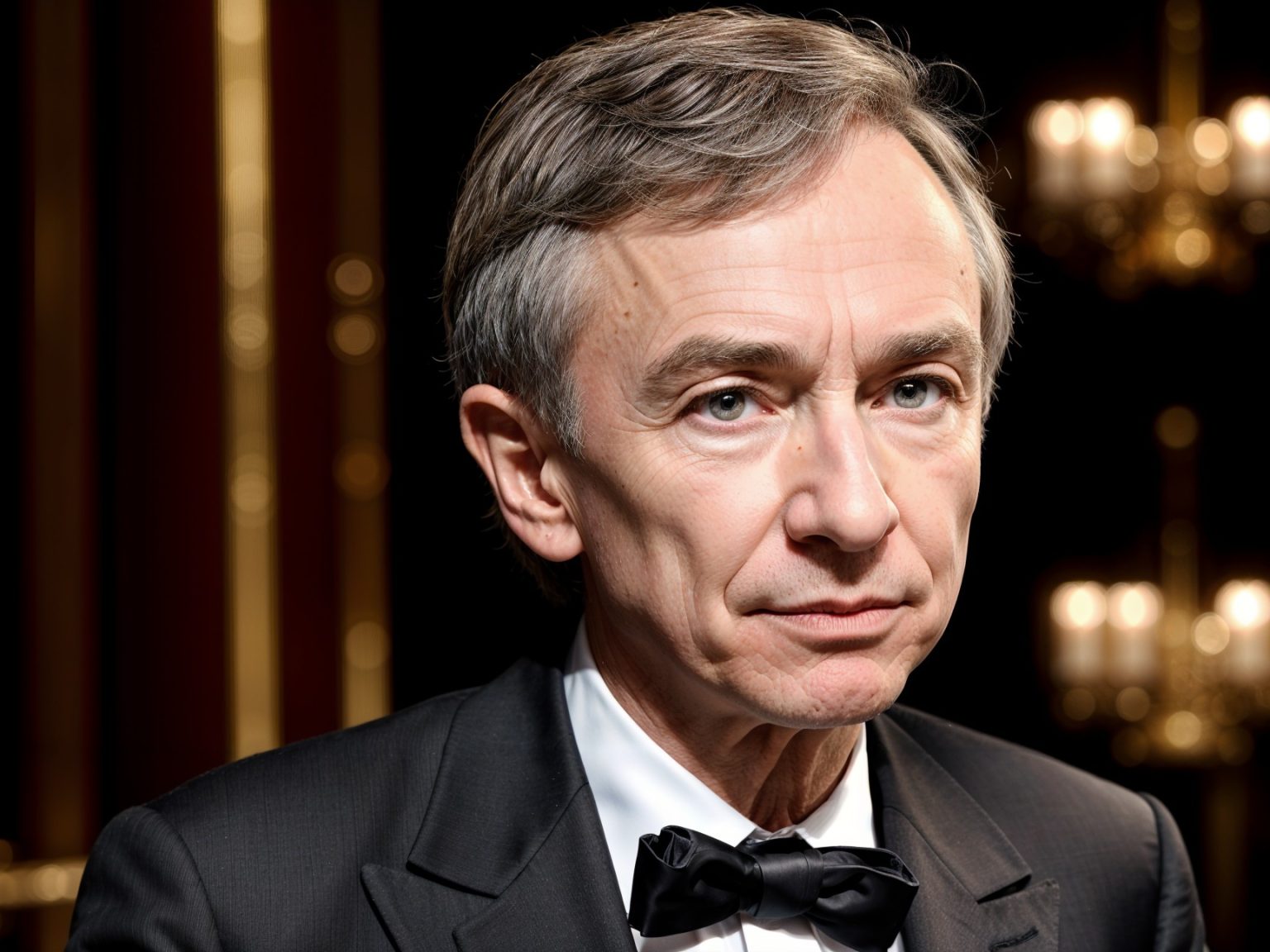
Bernard Arnault: From Humble Beginnings to Luxury Empire
Bernard Arnault, chairman and CEO of LVMH (Moët Hennessy Louis Vuitton), is one of the wealthiest individuals in the world, with an estimated net worth exceeding $200 billion. He is widely regarded as Europe’s richest man and a dominant force in the global luxury industry.
Early Life and Family Background
Bernard Arnault was born on March 5, 1949, in Roubaix, France.
His family had an entrepreneurial background:
His father, Jean Léon Arnault, owned a construction company called Ferret-Savinel
This provided financial stability and early exposure to business operations
Education and Early Career
Arnault studied at École Polytechnique, one of France’s most prestigious engineering schools, graduating in 1971.
His early career path included:
Working at his family’s construction company (Ferret-Savinel)
Later joining Financière Agache, owned by his father-in-law, in 1978.
This marked his entry into large-scale corporate leadership and investment strategy.
Rise to the Luxury Empire
Arnault’s major turning point came in the 1980s:
Key Milestones
1984: Acquired Christian Dior and successfully repositioned it as a luxury powerhouse
1987: Took control of LVMH, forming the world’s largest luxury goods conglomerate
Under his leadership, LVMH became a global leader in luxury branding and retail dominance.
LVMH Portfolio
LVMH owns and manages some of the most recognized luxury brands globally, including:
Louis Vuitton
Christian Dior
Moët & Chandon
Hennessy
Givenchy
Fendi
Each brand operates independently but benefits from LVMH’s global strategy and capital strength.
Investments and Holdings
Beyond LVMH, Arnault’s financial interests include:
Significant stake in Christian Dior SE (~42.36%)
Indirect ownership influence in Hermès (~10.2%) through family structures
Investments in technology startups and real estate ventures
Personal Life and Family
Arnault has been married twice:
Anne Dewavrin (1973–1990)
Hélène Mercier (1991–present)
He has five children:
Delphine Arnault – executive at LVMH
Antoine Arnault – CEO of Berluti
Frédéric Arnault – former CEO of TAG Heuer
Alexandre Arnault – executive at Tiffany & Co.
Jean Arnault – involved in family business activities
Philanthropy and Cultural Influence
Arnault is an active patron of the arts and cultural development.
His contributions include:
Funding restoration of historical monuments
Supporting major cultural institutions
Sponsoring education initiatives, scholarships, and mentorship programs
Key Drivers of His Success
Arnault’s rise is often attributed to:
Long-term strategic vision in luxury branding
Strong investment timing and acquisition strategy
High operational discipline and brand positioning
Focus on exclusivity, quality, and global expansion
Conclusion
Bernard Arnault’s transformation from a construction-business family background to the head of a global luxury empire reflects strategic acquisition, disciplined execution, and long-term brand control.
His influence continues to shape global luxury markets and redefine how premium brands are built and scaled.
Sources
Forbes
Bloomberg
Business Insider
LVMH Official Website
Public interviews and financial reports
Bernard Arnault, chairman and CEO of LVMH (Moët Hennessy Louis Vuitton), is one of the wealthiest individuals in the world, with an estimated net worth exceeding $200 billion. He is widely regarded as Europe’s richest man and a dominant force in the global luxury industry.
Early Life and Family Background
Bernard Arnault was born on March 5, 1949, in Roubaix, France.
His family had an entrepreneurial background:
His father, Jean Léon Arnault, owned a construction company called Ferret-Savinel
This provided financial stability and early exposure to business operations
Education and Early Career
Arnault studied at École Polytechnique, one of France’s most prestigious engineering schools, graduating in 1971.
His early career path included:
Working at his family’s construction company (Ferret-Savinel)
Later joining Financière Agache, owned by his father-in-law, in 1978.
This marked his entry into large-scale corporate leadership and investment strategy.
Rise to the Luxury Empire
Arnault’s major turning point came in the 1980s:
Key Milestones
1984: Acquired Christian Dior and successfully repositioned it as a luxury powerhouse
1987: Took control of LVMH, forming the world’s largest luxury goods conglomerate
Under his leadership, LVMH became a global leader in luxury branding and retail dominance.
LVMH Portfolio
LVMH owns and manages some of the most recognized luxury brands globally, including:
Louis Vuitton
Christian Dior
Moët & Chandon
Hennessy
Givenchy
Fendi
Each brand operates independently but benefits from LVMH’s global strategy and capital strength.
Investments and Holdings
Beyond LVMH, Arnault’s financial interests include:
Significant stake in Christian Dior SE (~42.36%)
Indirect ownership influence in Hermès (~10.2%) through family structures
Investments in technology startups and real estate ventures
Personal Life and Family
Arnault has been married twice:
Anne Dewavrin (1973–1990)
Hélène Mercier (1991–present)
He has five children:
Delphine Arnault – executive at LVMH
Antoine Arnault – CEO of Berluti
Frédéric Arnault – former CEO of TAG Heuer
Alexandre Arnault – executive at Tiffany & Co.
Jean Arnault – involved in family business activities
Philanthropy and Cultural Influence
Arnault is an active patron of the arts and cultural development.
His contributions include:
Funding restoration of historical monuments
Supporting major cultural institutions
Sponsoring education initiatives, scholarships, and mentorship programs
Key Drivers of His Success
Arnault’s rise is often attributed to:
Long-term strategic vision in luxury branding
Strong investment timing and acquisition strategy
High operational discipline and brand positioning
Focus on exclusivity, quality, and global expansion
Conclusion
Bernard Arnault’s transformation from a construction-business family background to the head of a global luxury empire reflects strategic acquisition, disciplined execution, and long-term brand control.
His influence continues to shape global luxury markets and redefine how premium brands are built and scaled.
Sources
Forbes
Bloomberg
Business Insider
LVMH Official Website
Public interviews and financial reports