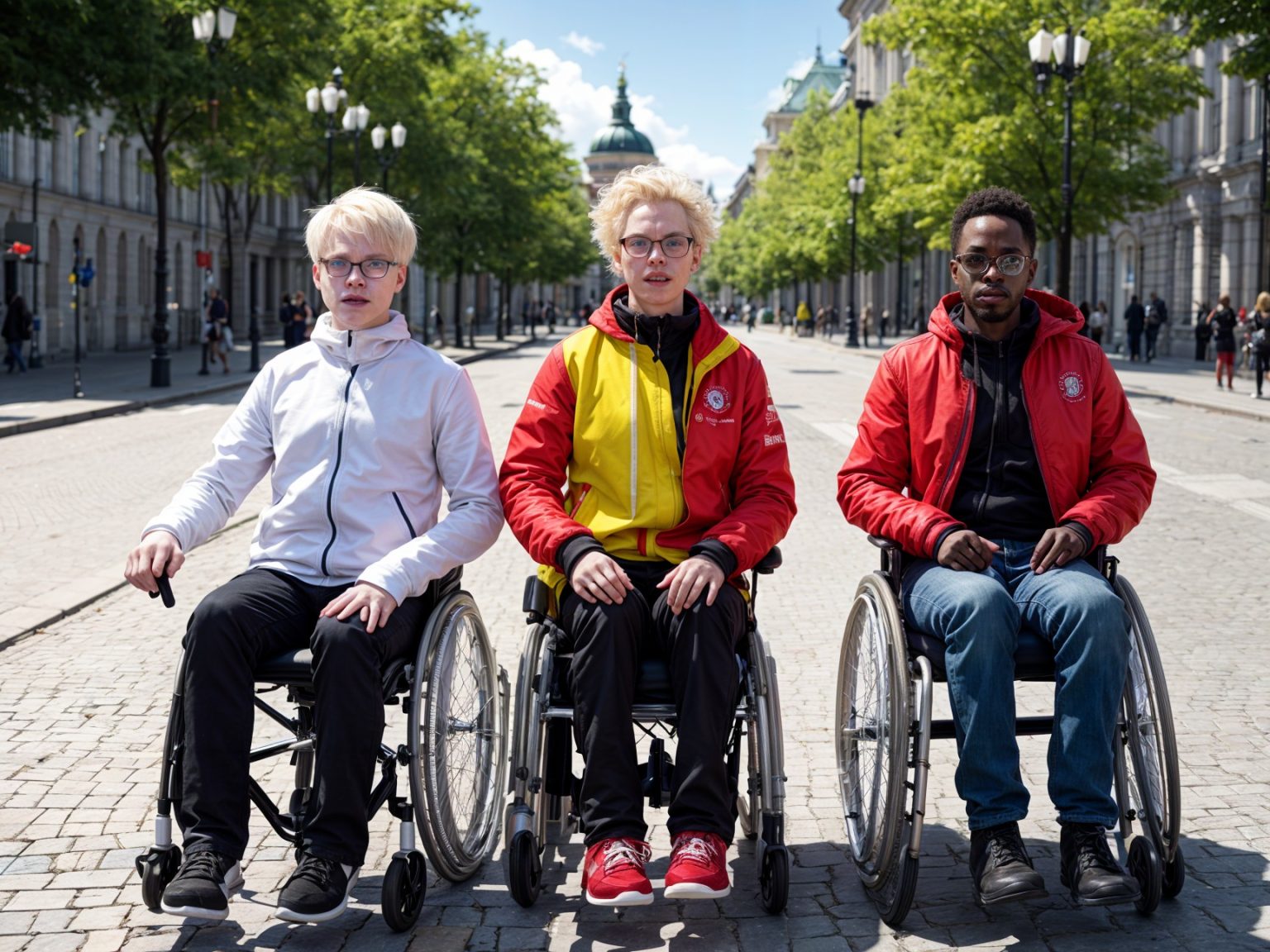
### Global Benchmarks of Inclusivity: The World’s Most Disability-Friendly Nations
In a world striving for equality, accessibility, and human dignity, one critical measure of societal progress is how a nation treats its people with disabilities (PWDs). From inclusive public policies and accessible infrastructure to societal attitudes and international compliance, the quality of life for PWDs reflects a country’s commitment to universal human rights.
But which country stands at the forefront of disability inclusivity? This comprehensive global guide explores the world’s most disability-friendly nations—evaluating them across key metrics such as welfare systems, standard of living, legal frameworks, accessibility of transportation and buildings, access to assistive technologies, healthcare, visa policies for disabled foreigners, and societal attitudes.
***Why Disability-Friendliness Matters: The Global Imperative***
Over 1 billion people—approximately 15% of the global population—live with some form of disability, according to the World Health Organization (WHO). Despite this, many countries still lack the infrastructure, laws, and social will to ensure equal opportunities for PWDs.
A truly disability-friendly country goes beyond basic compliance. It embraces the United Nations Convention on the Rights of Persons with Disabilities (UNCRPD), implements inclusive policies, removes physical and digital barriers, and fosters a culture of respect and dignity. Such inclusivity doesn’t just benefit PWDs—it improves life for the elderly, parents with strollers, temporary injury sufferers, and society as a whole. This article answers a pivotal question: Which country is the world’s most disability-friendly—and why?
***1. Sweden: The Gold Standard in Accessibility and Inclusion***
Sweden consistently ranks as the most disability-friendly country in the world, thanks to its progressive social welfare model and deep-rooted culture of inclusion.
* **Barrier-Free Infrastructure:** Swedish cities like Stockholm and Malmö are designed with universal access in mind. Ramps, tactile paving, automatic doors, and elevators are standard in public buildings.
* **Accessible Public Transportation:** The entire public transit system—buses, metros, trams, and trains—is wheelchair-accessible. Real-time audio and visual announcements assist those with visual or hearing impairments.
* **Digital Accessibility:** Sweden leads in digital inclusion, with strict web accessibility laws ensuring government and private websites comply with WCAG 2.1 standards.
* **Healthcare & Assistive Tech:** PWDs receive free or subsidized assistive devices (wheelchairs, hearing aids, communication tools) and personalized care plans under Sweden’s national health system.
* **Social Attitudes:** Discrimination is low; Swedes are generally respectful, empathetic, and proactive in accommodating disabilities.
* **Foreign PWDs & Visas:** While not specifically marketed, Sweden’s visa and residency processes are transparent and inclusive. EU citizens enjoy full rights, while non-EU nationals benefit from strong anti-discrimination laws.
***Why Sweden Stands Out:*** Sweden’s success lies in its **universal design** philosophy, where accessibility is integrated into all public planning from the start—not as an afterthought. Its robust social safety net ensures PWDs live with dignity and independence.
***2. Germany: Legal Rigor Meets Practical Accessibility***
Germany combines strong legislation with practical implementation, making it one of the most structured environments for PWDs.
* **Barrier-Free Building Regulations:** Germany enforces strict DIN standards for accessibility in public and private buildings. The *Behindertengleichstellungsgesetz* (Disability Equality Act) mandates accessibility in all new constructions.
* **Accessible Transportation:** Deutsche Bahn (German Rail) offers fully accessible trains, with staff assistance available. Urban transit systems in Berlin, Munich, and Hamburg are highly accessible.
* **Financial Incentives:** The government funds retrofitting of older buildings and offers tax breaks for businesses improving accessibility.
* **Medical & Assistive Support:** Germany’s health insurance system covers high-quality assistive devices and rehabilitation services. PWDs also receive monthly disability pensions.
* **Inclusion of Foreign PWDs:** Germany welcomes disabled expatriates and tourists. Visa applications do not discriminate based on disability, and accommodations are legally required.
* **Public Attitude:** While some older generations may hold conservative views, younger Germans are generally inclusive. Awareness campaigns have significantly reduced stigma.
***Why Germany Excels:*** Germany’s legal precision and enforcement set it apart. It doesn’t just pass laws—it ensures compliance, making it a benchmark for policy-driven accessibility.
***3. Canada: Championing Diversity and Human Rights***
Canada’s multicultural identity extends to disability rights, making it a global leader in inclusive policy.
* **Accessible Canada Act:** This landmark law aims to create a barrier-free Canada. It mandates accessibility in employment, transportation, information, and the built environment.
* **Public Transit:** Major cities like Toronto, Vancouver, and Ottawa offer low-floor buses, accessible subways, and paratransit services (e.g., Wheel-Trans).
* **Inclusive Public Spaces:** Parks, museums, and government buildings are increasingly accessible. Sidewalks feature curb cuts and tactile signals.
* **Support Services:** The Canada Disability Benefit provides financial aid. Provinces offer targeted employment support, housing assistance, and specialized mental health services.
* **Visas for Disabled Foreigners:** Canada’s immigration system is disability-inclusive. The Federal Skilled Worker Program does not penalize applicants for disabilities, and accommodations are readily provided during application processes.
* **Societal Disposition:** Canadians are known for their politeness and inclusivity. Structural discrimination is strictly illegal under the Canadian Human Rights Act.
***Why Canada Shines:*** Canada’s proactive legislation and cultural openness make it a safe haven for PWDs, both citizens and newcomers. Its focus on measurable outcomes ensures long-term progress.
***4. Australia: Comprehensive Support and Innovation***
Australia is renowned for its National Disability Insurance Scheme (NDIS), one of the most advanced disability support systems globally.
* **NDIS Benefits:** This revolutionary system provides personalized funding for assistive tech, therapy, home modifications, and community participation. Over 500,000 Australians benefit directly from this model.
* **Accessible Transportation:** Sydney, Melbourne, and Brisbane have highly accessible trains, trams, and buses. Ride-share services like Uber also offer specialized wheelchair options.
* **Built Environment:** The Disability Discrimination Act mandates accessible buildings. New constructions must strictly comply with the National Construction Code.
* **Healthcare Access:** Public healthcare (Medicare) covers essential medical services, while the NDIS funds highly specialized physical needs.
* **Tourism & Foreign PWDs:** Australia actively promotes accessible tourism. Many attractions offer sensory maps, wheelchair rentals, and guided support. Visas for disabled foreigners are non-discriminatory.
* **Public Perception:** Australians are generally welcoming and helpful, though remote rural areas still face minor lags in physical accessibility infrastructure.
***Why Australia Stands Out:*** The NDIS is revolutionary—it deliberately shifts from a basic charity or welfare model to one of personal empowerment, allowing PWDs to choose their own support pathways and live independently.
***5. Portugal: Europe’s Rising Star in Accessibility***
Portugal may not have the largest economy in Europe, but it is emerging as a top global destination for PWDs, especially digital nomads and retirees.
* **Accessible Public Transit:** Lisbon and Porto have modern, low-floor trams and metro systems. Elevators and street ramps are becoming increasingly common.
* **"Tourism for All" Initiative:** The government actively certifies hotels, beaches, and attractions as *Accessible Tourism* compliant. Beach wheelchairs and aquatic accessibility aids are widely available.
* **Building Standards:** New constructions strictly follow modern accessibility codes. Historic sites are also being steadily retrofitted with modern lifts and ramps.
* **Cost of Living & Healthcare:** Portugal offers high-quality, affordable healthcare. Expats with EU health cards receive care seamlessly, while non-EU nationals can easily access affordable private plans.
* **Visa Options:** The D7 (Passive Income) and Golden Visa programs are fully open to PWDs with zero health-based denials.
* **Social Attitude:** Portuguese people are incredibly warm, welcoming, and helpful. While awareness is growing daily, some historic rural areas still lack full physical accessibility.
***Why Portugal Is a Great Destination:*** With a low cost of living, beautiful accessible tourism initiatives, and a welcoming culture, Portugal is ideal for disabled expats seeking an exceptional quality of life.
***Honorable Mentions: Global Leaders in Accessibility***
While the top five lead the way, other nations deserve strong recognition for their advancements:
* **Spain:** Barcelona and Madrid offer excellent accessible metro systems and world-class inclusive tourism. Strong national laws align tightly with EU accessibility standards.
* **France:** Mandated by historical accessibility frameworks, Paris has been actively improving metro access and urban pathways, though older underground stations remain challenging.
* **Netherlands:** Famous for its naturally flat terrain and bike-friendly paths, the Netherlands excels in wheelchair accessibility. Trains, cycling routes, and public spaces are highly inclusive.
* **Singapore:** Asia’s clear accessibility leader. It features a fully accessible Mass Rapid Transit (MRT) system, strict building codes, and extensive government grants for assistive technologies, serving as a model for developing nations.
***What Makes a Country Truly Disability-Friendly? Key Factors***
Based on global best practices, the following elements define a disability-friendly nation:
1. **Universal Design in Infrastructure:** Sidewalks, buildings, and transport must be usable by all people, without the need for specialized adaptation.
2. **Strong Legal Frameworks:** Laws ensure accountability and long-term compliance.
3. **Inclusive Healthcare & Assistive Technology:** Free or highly subsidized devices and specialized medical care are essential foundations.
4. **Accessible Public Transportation:** Buses, trains, and airports must smoothly accommodate wheelchairs, guide dogs, and sensory needs.
5. **Non-Discriminatory Visa & Immigration Policies:** Disabled foreigners should not face structural barriers to residency, employment, or tourism.
6. **Positive Social Attitudes:** Public awareness, education, and anti-stigma campaigns reduce discrimination.
7. **Digital Inclusion:** Websites, apps, and e-government portals must be screen-reader compatible and easy to navigate.
Countries that integrate all these factors don’t just support PWDs—they create more equitable, resilient, and innovative societies.
***Global Benchmarks: UN and World Policy Influence***
The UNCRPD, ratified by over 180 countries, sets the global standard. It emphasizes:
* Equal rights in education, employment, and healthcare.
* Accessibility in all areas of physical and digital life.
* Full, dignified participation in political and cultural life.
Countries like Sweden and Canada do not merely comply with these benchmarks; they actively exceed them. Other nations, despite ratification, still lag in daily enforcement—highlighting the continuous gap between written policy and real-world practice. International organizations like the World Bank and WHO continue to heavily promote these standards to bridge the divide.
***Conclusion: Who Is the Most Disability-Friendly Country?***
After evaluating welfare systems, infrastructure accessibility, legal frameworks, healthcare, foreigner policies, and societal attitudes, **Sweden emerges as the world’s most disability-friendly country**. Its holistic approach—combining universal design, robust social welfare, technological innovation, and cultural inclusivity—sets a flawless global benchmark.
Germany follows closely with its absolute legal rigor, while Canada and Australia lead in policy innovation and personal empowerment. Portugal shines brightly as an accessible, affordable, and warm haven for disabled expats.
The journey toward full inclusion is ongoing. Even top-tier countries face challenges—aging infrastructure, rural disparities, and evolving digital needs. Governments worldwide must prioritize accessibility not as a charity, but as a fundamental human right. By investing in inclusive design, enforcing anti-discrimination laws, and listening to PWDs, every nation can become a leader in disability friendliness.
For travelers, expats, or advocates, the message is clear: choose countries that value accessibility, and support movements that demand it everywhere. Let’s build a world where no one is left behind—because true progress is measured not by how we treat the majority, but by how we uplift the vulnerable.
***A Personal Note From the Author***
Dear Supporters,
We are immensely grateful for your incredible generosity and the beautiful spirit of giving that you have shown towards the **Izidor and Friends Project**. Your donations and tips are not just basic contributions; they are vital acts of kindness that fuel our mission to empower, equip, and uplift the lives of persons with disabilities daily.
Your support is a beautiful testament to the collective power of community and compassion in creating positive, lasting change. Please accept our heartfelt thanks for your invaluable contributions. Together, we are making a true difference, one step at a time.
With warm appreciation,
**Izidor Jacob & Team**
**Show love, share kindness!** Support our PWD page and create a more inclusive world. Donate any amount to support our PWD advocacy page.
* **PayPal:** ikeagwuizidor@gmail.com
* **Zenith Bank Plc Nigeria:** Account Number 1003235561
***Helpful Resources and Information***
You may find these curated resources highly useful. When you make a purchase or check out these materials, we earn a professional commission and you help support our ongoing disability advocacy pages! 😁
* Izidor Jacob Official Selar Creator Profile
In a world striving for equality, accessibility, and human dignity, one critical measure of societal progress is how a nation treats its people with disabilities (PWDs). From inclusive public policies and accessible infrastructure to societal attitudes and international compliance, the quality of life for PWDs reflects a country’s commitment to universal human rights.
But which country stands at the forefront of disability inclusivity? This comprehensive global guide explores the world’s most disability-friendly nations—evaluating them across key metrics such as welfare systems, standard of living, legal frameworks, accessibility of transportation and buildings, access to assistive technologies, healthcare, visa policies for disabled foreigners, and societal attitudes.
***Why Disability-Friendliness Matters: The Global Imperative***
Over 1 billion people—approximately 15% of the global population—live with some form of disability, according to the World Health Organization (WHO). Despite this, many countries still lack the infrastructure, laws, and social will to ensure equal opportunities for PWDs.
A truly disability-friendly country goes beyond basic compliance. It embraces the United Nations Convention on the Rights of Persons with Disabilities (UNCRPD), implements inclusive policies, removes physical and digital barriers, and fosters a culture of respect and dignity. Such inclusivity doesn’t just benefit PWDs—it improves life for the elderly, parents with strollers, temporary injury sufferers, and society as a whole. This article answers a pivotal question: Which country is the world’s most disability-friendly—and why?
***1. Sweden: The Gold Standard in Accessibility and Inclusion***
Sweden consistently ranks as the most disability-friendly country in the world, thanks to its progressive social welfare model and deep-rooted culture of inclusion.
* **Barrier-Free Infrastructure:** Swedish cities like Stockholm and Malmö are designed with universal access in mind. Ramps, tactile paving, automatic doors, and elevators are standard in public buildings.
* **Accessible Public Transportation:** The entire public transit system—buses, metros, trams, and trains—is wheelchair-accessible. Real-time audio and visual announcements assist those with visual or hearing impairments.
* **Digital Accessibility:** Sweden leads in digital inclusion, with strict web accessibility laws ensuring government and private websites comply with WCAG 2.1 standards.
* **Healthcare & Assistive Tech:** PWDs receive free or subsidized assistive devices (wheelchairs, hearing aids, communication tools) and personalized care plans under Sweden’s national health system.
* **Social Attitudes:** Discrimination is low; Swedes are generally respectful, empathetic, and proactive in accommodating disabilities.
* **Foreign PWDs & Visas:** While not specifically marketed, Sweden’s visa and residency processes are transparent and inclusive. EU citizens enjoy full rights, while non-EU nationals benefit from strong anti-discrimination laws.
***Why Sweden Stands Out:*** Sweden’s success lies in its **universal design** philosophy, where accessibility is integrated into all public planning from the start—not as an afterthought. Its robust social safety net ensures PWDs live with dignity and independence.
***2. Germany: Legal Rigor Meets Practical Accessibility***
Germany combines strong legislation with practical implementation, making it one of the most structured environments for PWDs.
* **Barrier-Free Building Regulations:** Germany enforces strict DIN standards for accessibility in public and private buildings. The *Behindertengleichstellungsgesetz* (Disability Equality Act) mandates accessibility in all new constructions.
* **Accessible Transportation:** Deutsche Bahn (German Rail) offers fully accessible trains, with staff assistance available. Urban transit systems in Berlin, Munich, and Hamburg are highly accessible.
* **Financial Incentives:** The government funds retrofitting of older buildings and offers tax breaks for businesses improving accessibility.
* **Medical & Assistive Support:** Germany’s health insurance system covers high-quality assistive devices and rehabilitation services. PWDs also receive monthly disability pensions.
* **Inclusion of Foreign PWDs:** Germany welcomes disabled expatriates and tourists. Visa applications do not discriminate based on disability, and accommodations are legally required.
* **Public Attitude:** While some older generations may hold conservative views, younger Germans are generally inclusive. Awareness campaigns have significantly reduced stigma.
***Why Germany Excels:*** Germany’s legal precision and enforcement set it apart. It doesn’t just pass laws—it ensures compliance, making it a benchmark for policy-driven accessibility.
***3. Canada: Championing Diversity and Human Rights***
Canada’s multicultural identity extends to disability rights, making it a global leader in inclusive policy.
* **Accessible Canada Act:** This landmark law aims to create a barrier-free Canada. It mandates accessibility in employment, transportation, information, and the built environment.
* **Public Transit:** Major cities like Toronto, Vancouver, and Ottawa offer low-floor buses, accessible subways, and paratransit services (e.g., Wheel-Trans).
* **Inclusive Public Spaces:** Parks, museums, and government buildings are increasingly accessible. Sidewalks feature curb cuts and tactile signals.
* **Support Services:** The Canada Disability Benefit provides financial aid. Provinces offer targeted employment support, housing assistance, and specialized mental health services.
* **Visas for Disabled Foreigners:** Canada’s immigration system is disability-inclusive. The Federal Skilled Worker Program does not penalize applicants for disabilities, and accommodations are readily provided during application processes.
* **Societal Disposition:** Canadians are known for their politeness and inclusivity. Structural discrimination is strictly illegal under the Canadian Human Rights Act.
***Why Canada Shines:*** Canada’s proactive legislation and cultural openness make it a safe haven for PWDs, both citizens and newcomers. Its focus on measurable outcomes ensures long-term progress.
***4. Australia: Comprehensive Support and Innovation***
Australia is renowned for its National Disability Insurance Scheme (NDIS), one of the most advanced disability support systems globally.
* **NDIS Benefits:** This revolutionary system provides personalized funding for assistive tech, therapy, home modifications, and community participation. Over 500,000 Australians benefit directly from this model.
* **Accessible Transportation:** Sydney, Melbourne, and Brisbane have highly accessible trains, trams, and buses. Ride-share services like Uber also offer specialized wheelchair options.
* **Built Environment:** The Disability Discrimination Act mandates accessible buildings. New constructions must strictly comply with the National Construction Code.
* **Healthcare Access:** Public healthcare (Medicare) covers essential medical services, while the NDIS funds highly specialized physical needs.
* **Tourism & Foreign PWDs:** Australia actively promotes accessible tourism. Many attractions offer sensory maps, wheelchair rentals, and guided support. Visas for disabled foreigners are non-discriminatory.
* **Public Perception:** Australians are generally welcoming and helpful, though remote rural areas still face minor lags in physical accessibility infrastructure.
***Why Australia Stands Out:*** The NDIS is revolutionary—it deliberately shifts from a basic charity or welfare model to one of personal empowerment, allowing PWDs to choose their own support pathways and live independently.
***5. Portugal: Europe’s Rising Star in Accessibility***
Portugal may not have the largest economy in Europe, but it is emerging as a top global destination for PWDs, especially digital nomads and retirees.
* **Accessible Public Transit:** Lisbon and Porto have modern, low-floor trams and metro systems. Elevators and street ramps are becoming increasingly common.
* **"Tourism for All" Initiative:** The government actively certifies hotels, beaches, and attractions as *Accessible Tourism* compliant. Beach wheelchairs and aquatic accessibility aids are widely available.
* **Building Standards:** New constructions strictly follow modern accessibility codes. Historic sites are also being steadily retrofitted with modern lifts and ramps.
* **Cost of Living & Healthcare:** Portugal offers high-quality, affordable healthcare. Expats with EU health cards receive care seamlessly, while non-EU nationals can easily access affordable private plans.
* **Visa Options:** The D7 (Passive Income) and Golden Visa programs are fully open to PWDs with zero health-based denials.
* **Social Attitude:** Portuguese people are incredibly warm, welcoming, and helpful. While awareness is growing daily, some historic rural areas still lack full physical accessibility.
***Why Portugal Is a Great Destination:*** With a low cost of living, beautiful accessible tourism initiatives, and a welcoming culture, Portugal is ideal for disabled expats seeking an exceptional quality of life.
***Honorable Mentions: Global Leaders in Accessibility***
While the top five lead the way, other nations deserve strong recognition for their advancements:
* **Spain:** Barcelona and Madrid offer excellent accessible metro systems and world-class inclusive tourism. Strong national laws align tightly with EU accessibility standards.
* **France:** Mandated by historical accessibility frameworks, Paris has been actively improving metro access and urban pathways, though older underground stations remain challenging.
* **Netherlands:** Famous for its naturally flat terrain and bike-friendly paths, the Netherlands excels in wheelchair accessibility. Trains, cycling routes, and public spaces are highly inclusive.
* **Singapore:** Asia’s clear accessibility leader. It features a fully accessible Mass Rapid Transit (MRT) system, strict building codes, and extensive government grants for assistive technologies, serving as a model for developing nations.
***What Makes a Country Truly Disability-Friendly? Key Factors***
Based on global best practices, the following elements define a disability-friendly nation:
1. **Universal Design in Infrastructure:** Sidewalks, buildings, and transport must be usable by all people, without the need for specialized adaptation.
2. **Strong Legal Frameworks:** Laws ensure accountability and long-term compliance.
3. **Inclusive Healthcare & Assistive Technology:** Free or highly subsidized devices and specialized medical care are essential foundations.
4. **Accessible Public Transportation:** Buses, trains, and airports must smoothly accommodate wheelchairs, guide dogs, and sensory needs.
5. **Non-Discriminatory Visa & Immigration Policies:** Disabled foreigners should not face structural barriers to residency, employment, or tourism.
6. **Positive Social Attitudes:** Public awareness, education, and anti-stigma campaigns reduce discrimination.
7. **Digital Inclusion:** Websites, apps, and e-government portals must be screen-reader compatible and easy to navigate.
Countries that integrate all these factors don’t just support PWDs—they create more equitable, resilient, and innovative societies.
***Global Benchmarks: UN and World Policy Influence***
The UNCRPD, ratified by over 180 countries, sets the global standard. It emphasizes:
* Equal rights in education, employment, and healthcare.
* Accessibility in all areas of physical and digital life.
* Full, dignified participation in political and cultural life.
Countries like Sweden and Canada do not merely comply with these benchmarks; they actively exceed them. Other nations, despite ratification, still lag in daily enforcement—highlighting the continuous gap between written policy and real-world practice. International organizations like the World Bank and WHO continue to heavily promote these standards to bridge the divide.
***Conclusion: Who Is the Most Disability-Friendly Country?***
After evaluating welfare systems, infrastructure accessibility, legal frameworks, healthcare, foreigner policies, and societal attitudes, **Sweden emerges as the world’s most disability-friendly country**. Its holistic approach—combining universal design, robust social welfare, technological innovation, and cultural inclusivity—sets a flawless global benchmark.
Germany follows closely with its absolute legal rigor, while Canada and Australia lead in policy innovation and personal empowerment. Portugal shines brightly as an accessible, affordable, and warm haven for disabled expats.
The journey toward full inclusion is ongoing. Even top-tier countries face challenges—aging infrastructure, rural disparities, and evolving digital needs. Governments worldwide must prioritize accessibility not as a charity, but as a fundamental human right. By investing in inclusive design, enforcing anti-discrimination laws, and listening to PWDs, every nation can become a leader in disability friendliness.
For travelers, expats, or advocates, the message is clear: choose countries that value accessibility, and support movements that demand it everywhere. Let’s build a world where no one is left behind—because true progress is measured not by how we treat the majority, but by how we uplift the vulnerable.
***A Personal Note From the Author***
Dear Supporters,
We are immensely grateful for your incredible generosity and the beautiful spirit of giving that you have shown towards the **Izidor and Friends Project**. Your donations and tips are not just basic contributions; they are vital acts of kindness that fuel our mission to empower, equip, and uplift the lives of persons with disabilities daily.
Your support is a beautiful testament to the collective power of community and compassion in creating positive, lasting change. Please accept our heartfelt thanks for your invaluable contributions. Together, we are making a true difference, one step at a time.
With warm appreciation,
**Izidor Jacob & Team**
**Show love, share kindness!** Support our PWD page and create a more inclusive world. Donate any amount to support our PWD advocacy page.
* **PayPal:** ikeagwuizidor@gmail.com
* **Zenith Bank Plc Nigeria:** Account Number 1003235561
***Helpful Resources and Information***
You may find these curated resources highly useful. When you make a purchase or check out these materials, we earn a professional commission and you help support our ongoing disability advocacy pages! 😁
* Izidor Jacob Official Selar Creator Profile