US–Nigeria Tensions, Religious Violence Claims, and the Debate Over Foreign Intervention
The Controversy Unfolds
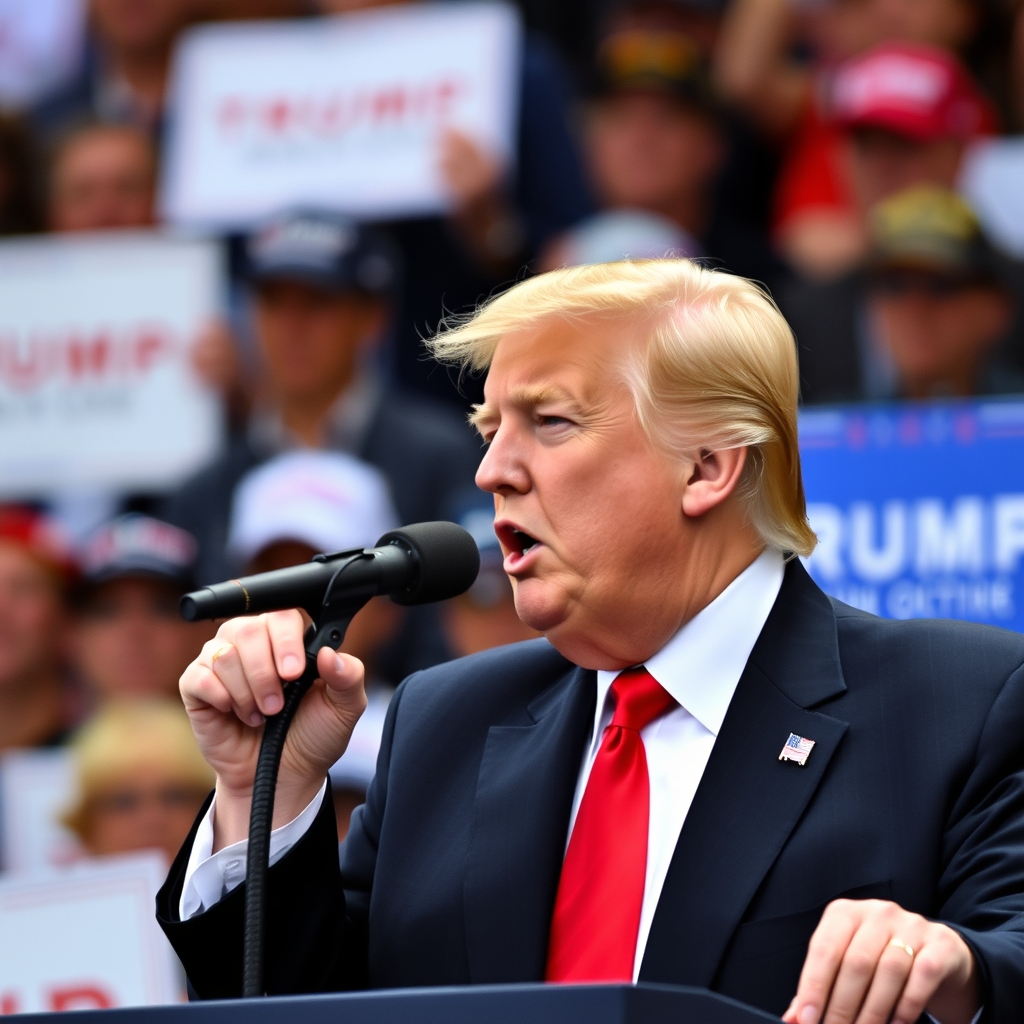
In a move that has sent shockwaves across Africa and the global diplomatic community, US President Donald Trump reportedly threatened military action against Nigeria, citing alleged persecution of Christians in the West African nation.
While the statement has not been officially confirmed by current U.S. administration channels, it gained widespread traction online and in international media, sparking outrage, confusion, and debate.
At the same time, reports suggest that the US Congress has approved a resolution granting authority to impose severe sanctions on Nigeria over alleged religious violence, particularly targeting Christians.
According to congressional hearings, between 2019 and 2023, over 55,000 people were killed, and 21,000 were abducted in religiously motivated attacks. Congressman Chris Smith criticized Nigeria’s government for failing to stop the violence, describing it as “religious cleansing”.
The proposed sanctions may include trade restrictions, visa bans on Nigerian officials, and financial penalties targeting government entities accused of failing to protect religious minorities.
Nigerian officials, religious leaders, and regional bodies have strongly rejected the claims, emphasizing Nigeria’s constitutional commitment to religious freedom and pluralism. Critics argue the narrative is not only misleading but potentially dangerous, fueling religious tensions and opening the door to foreign interference in Africa’s most populous democracy.
Despite denials, the idea of U.S. military intervention in Nigeria has reignited conversations about religious conflict, geopolitical influence, and the role of external powers in Africa’s internal affairs.
The Claims and Counterclaims
Alleged Accusations
According to unverified reports and viral social media posts, Donald Trump accused the Nigerian government of failing to protect its Christian population from attacks by “Islamic extremists,” particularly in the country’s Middle Belt and Northern regions.
He reportedly threatened to cut off U.S. aid and even suggested the possibility of military intervention if the situation did not improve.
However, these claims lack substantial evidence and have been dismissed by multiple sources.
Nigerian Government Response
President Bola Ahmed Tinubu responded firmly, stating that Nigeria guarantees freedom of worship for all citizens regardless of faith.
“Nigeria is a secular state. Our constitution protects every religion. We will not allow baseless accusations to divide us,” Tinubu said in a nationally televised address.
Context of Nigeria’s Religious Composition
Nigeria is nearly evenly split between Muslims and Christians, with Christians forming the majority in the Southern and Middle Belt regions.
These areas have experienced recurrent violence involving herders, farmers, and armed groups. While some of these conflicts carry religious undertones, experts argue they are driven more by:
land disputes
climate pressure
poverty
weak governance
rather than systematic religious persecution.
Christian Communities in Southern and Middle Belt Nigeria
Many Christians in Southern Nigeria and the Middle Belt have expressed concern over rising insecurity, particularly attacks on villages, churches, and farms.
However, most reject foreign military intervention.
In interviews conducted by BBC Pidgin and Channels TV, residents from Benue, Plateau, and Taraba states said they want justice, stronger security, and government accountability—not foreign troops.
“We want president Tinubu to do more. But we don’t want America coming in with guns. This is our country,” said Grace Ekpo, a teacher from Makurdi.
At the same time, some Christian leaders and activists have supported Trump’s comments, viewing them as overdue recognition of their suffering.
“For years, the world has ignored the killings in our villages. If Donald Trump speaks up, we are grateful,” said Bishop Williams Ali of the Christian Association of Nigeria (CAN) in Plateau State.
Religious leaders across faiths, however, have urged caution. The Nigerian Inter-Religious Council (NIRC), made up of top Christian and Muslim clerics, issued a joint statement warning against foreign intervention and calling for dialogue and unity.
International Reactions
African Union and ECOWAS
African Union Commission Chairperson Mahmoud Ali Youssouf dismissed claims of a Christian genocide in Nigeria, stating:
“There is no genocide of Christians in Nigeria. We must be careful not to inflame tensions with unfounded allegations.”
ECOWAS and the European Union also rejected the idea of military intervention, warning it would violate sovereignty and risk destabilizing the region.
EU officials emphasized that West Africa cannot afford another foreign military presence, warning of severe consequences.
United Nations and Global Powers
The United Nations called for restraint, urging all parties to avoid inflammatory rhetoric and focus on peacebuilding.
China, increasingly active in Nigeria through infrastructure investment under the Belt and Road Initiative, called for “African solutions to African problems,” reinforcing its non-intervention stance.
Historical Context: Religion, Conflict, and Foreign Influence in Nigeria
Nigeria’s religious landscape has long been complex.
Since independence in 1960, the country has experienced both coexistence and conflict between Muslims and Christians.
Key historical flashpoints include:
The Biafra War (1967–1970), primarily ethnic but with religious undertones
Sharia law adoption in Northern states in the early 2000s
The rise of Boko Haram in 2009, which intensified global concern over religious violence
Boko Haram and ISWAP have killed both Muslims and Christians, with ideology driven more by political extremism than pure religious doctrine.
Foreign powers have also played roles in Nigeria’s internal dynamics:
The United States supports counterterrorism operations and civil society programs
China focuses on infrastructure and economic investment with minimal political involvement
Cold War-era rivalries previously influenced alliances and internal politics.
Potential Consequences of Military Threats
Even without actual military action, the rhetoric alone carries consequences.
Economic Impact
Reduced investor confidence
Currency and credit rating pressure
Slower economic recovery amid inflation and unemployment
Diplomatic Fallout
Strained US–Nigeria relations
Reduced cooperation on counterterrorism and organized crime
Security Risks
Extremist groups may exploit rhetoric to recruit fighters
Violence could be framed as a religious war narrative
National Unity
Increased religious polarization
Political actors may weaponize identity division.
Expert Analysis: Politics or Protection?
Many analysts argue the situation is being politically amplified.
Donald Trump has long received strong support from evangelical Christian groups in the U.S., a key political base.
According to Dr. Adeola Aderemi, a political scientist at the University of Ibadan:
“This is not about Nigeria. It’s about mobilizing a base ahead of elections. The danger is that real issues get reduced to a simplistic religious narrative.”
International Crisis Group reports similarly emphasize that labeling Nigeria’s violence purely as religious persecution ignores deeper structural causes such as poverty, governance failure, and resource conflict.
Conclusion: Diplomacy Over Division
The suffering of communities affected by violence in Nigeria’s Middle Belt is real and cannot be dismissed. But the solution is not external military intervention.
Nigeria’s instability is complex, rooted in governance challenges, economic pressure, climate stress, and localized conflicts—not a single religious narrative.
Nigeria remains a deeply interconnected society where Muslims and Christians live, work, and coexist across cities like Lagos, Abuja, and Port Harcourt. Interfaith relationships and shared cultural identity remain strong despite tensions.
The path forward requires:
stronger governance
improved security strategy
interfaith cooperation
regional collaboration
international support without intervention
In the end, Nigeria’s future will not be shaped by external rhetoric, but by internal accountability and national unity.
The Controversy Unfolds
In a move that has sent shockwaves across Africa and the global diplomatic community, US President Donald Trump reportedly threatened military action against Nigeria, citing alleged persecution of Christians in the West African nation.
While the statement has not been officially confirmed by current U.S. administration channels, it gained widespread traction online and in international media, sparking outrage, confusion, and debate.
At the same time, reports suggest that the US Congress has approved a resolution granting authority to impose severe sanctions on Nigeria over alleged religious violence, particularly targeting Christians.
According to congressional hearings, between 2019 and 2023, over 55,000 people were killed, and 21,000 were abducted in religiously motivated attacks. Congressman Chris Smith criticized Nigeria’s government for failing to stop the violence, describing it as “religious cleansing”.
The proposed sanctions may include trade restrictions, visa bans on Nigerian officials, and financial penalties targeting government entities accused of failing to protect religious minorities.
Nigerian officials, religious leaders, and regional bodies have strongly rejected the claims, emphasizing Nigeria’s constitutional commitment to religious freedom and pluralism. Critics argue the narrative is not only misleading but potentially dangerous, fueling religious tensions and opening the door to foreign interference in Africa’s most populous democracy.
Despite denials, the idea of U.S. military intervention in Nigeria has reignited conversations about religious conflict, geopolitical influence, and the role of external powers in Africa’s internal affairs.
The Claims and Counterclaims
Alleged Accusations
According to unverified reports and viral social media posts, Donald Trump accused the Nigerian government of failing to protect its Christian population from attacks by “Islamic extremists,” particularly in the country’s Middle Belt and Northern regions.
He reportedly threatened to cut off U.S. aid and even suggested the possibility of military intervention if the situation did not improve.
However, these claims lack substantial evidence and have been dismissed by multiple sources.
Nigerian Government Response
President Bola Ahmed Tinubu responded firmly, stating that Nigeria guarantees freedom of worship for all citizens regardless of faith.
“Nigeria is a secular state. Our constitution protects every religion. We will not allow baseless accusations to divide us,” Tinubu said in a nationally televised address.
Context of Nigeria’s Religious Composition
Nigeria is nearly evenly split between Muslims and Christians, with Christians forming the majority in the Southern and Middle Belt regions.
These areas have experienced recurrent violence involving herders, farmers, and armed groups. While some of these conflicts carry religious undertones, experts argue they are driven more by:
land disputes
climate pressure
poverty
weak governance
rather than systematic religious persecution.
Christian Communities in Southern and Middle Belt Nigeria
Many Christians in Southern Nigeria and the Middle Belt have expressed concern over rising insecurity, particularly attacks on villages, churches, and farms.
However, most reject foreign military intervention.
In interviews conducted by BBC Pidgin and Channels TV, residents from Benue, Plateau, and Taraba states said they want justice, stronger security, and government accountability—not foreign troops.
“We want president Tinubu to do more. But we don’t want America coming in with guns. This is our country,” said Grace Ekpo, a teacher from Makurdi.
At the same time, some Christian leaders and activists have supported Trump’s comments, viewing them as overdue recognition of their suffering.
“For years, the world has ignored the killings in our villages. If Donald Trump speaks up, we are grateful,” said Bishop Williams Ali of the Christian Association of Nigeria (CAN) in Plateau State.
Religious leaders across faiths, however, have urged caution. The Nigerian Inter-Religious Council (NIRC), made up of top Christian and Muslim clerics, issued a joint statement warning against foreign intervention and calling for dialogue and unity.
International Reactions
African Union and ECOWAS
African Union Commission Chairperson Mahmoud Ali Youssouf dismissed claims of a Christian genocide in Nigeria, stating:
“There is no genocide of Christians in Nigeria. We must be careful not to inflame tensions with unfounded allegations.”
ECOWAS and the European Union also rejected the idea of military intervention, warning it would violate sovereignty and risk destabilizing the region.
EU officials emphasized that West Africa cannot afford another foreign military presence, warning of severe consequences.
United Nations and Global Powers
The United Nations called for restraint, urging all parties to avoid inflammatory rhetoric and focus on peacebuilding.
China, increasingly active in Nigeria through infrastructure investment under the Belt and Road Initiative, called for “African solutions to African problems,” reinforcing its non-intervention stance.
Historical Context: Religion, Conflict, and Foreign Influence in Nigeria
Nigeria’s religious landscape has long been complex.
Since independence in 1960, the country has experienced both coexistence and conflict between Muslims and Christians.
Key historical flashpoints include:
The Biafra War (1967–1970), primarily ethnic but with religious undertones
Sharia law adoption in Northern states in the early 2000s
The rise of Boko Haram in 2009, which intensified global concern over religious violence
Boko Haram and ISWAP have killed both Muslims and Christians, with ideology driven more by political extremism than pure religious doctrine.
Foreign powers have also played roles in Nigeria’s internal dynamics:
The United States supports counterterrorism operations and civil society programs
China focuses on infrastructure and economic investment with minimal political involvement
Cold War-era rivalries previously influenced alliances and internal politics.
Potential Consequences of Military Threats
Even without actual military action, the rhetoric alone carries consequences.
Economic Impact
Reduced investor confidence
Currency and credit rating pressure
Slower economic recovery amid inflation and unemployment
Diplomatic Fallout
Strained US–Nigeria relations
Reduced cooperation on counterterrorism and organized crime
Security Risks
Extremist groups may exploit rhetoric to recruit fighters
Violence could be framed as a religious war narrative
National Unity
Increased religious polarization
Political actors may weaponize identity division.
Expert Analysis: Politics or Protection?
Many analysts argue the situation is being politically amplified.
Donald Trump has long received strong support from evangelical Christian groups in the U.S., a key political base.
According to Dr. Adeola Aderemi, a political scientist at the University of Ibadan:
“This is not about Nigeria. It’s about mobilizing a base ahead of elections. The danger is that real issues get reduced to a simplistic religious narrative.”
International Crisis Group reports similarly emphasize that labeling Nigeria’s violence purely as religious persecution ignores deeper structural causes such as poverty, governance failure, and resource conflict.
Conclusion: Diplomacy Over Division
The suffering of communities affected by violence in Nigeria’s Middle Belt is real and cannot be dismissed. But the solution is not external military intervention.
Nigeria’s instability is complex, rooted in governance challenges, economic pressure, climate stress, and localized conflicts—not a single religious narrative.
Nigeria remains a deeply interconnected society where Muslims and Christians live, work, and coexist across cities like Lagos, Abuja, and Port Harcourt. Interfaith relationships and shared cultural identity remain strong despite tensions.
The path forward requires:
stronger governance
improved security strategy
interfaith cooperation
regional collaboration
international support without intervention
In the end, Nigeria’s future will not be shaped by external rhetoric, but by internal accountability and national unity.