Proposed Closure of US Embassies and Consulates: Potential Global Impact
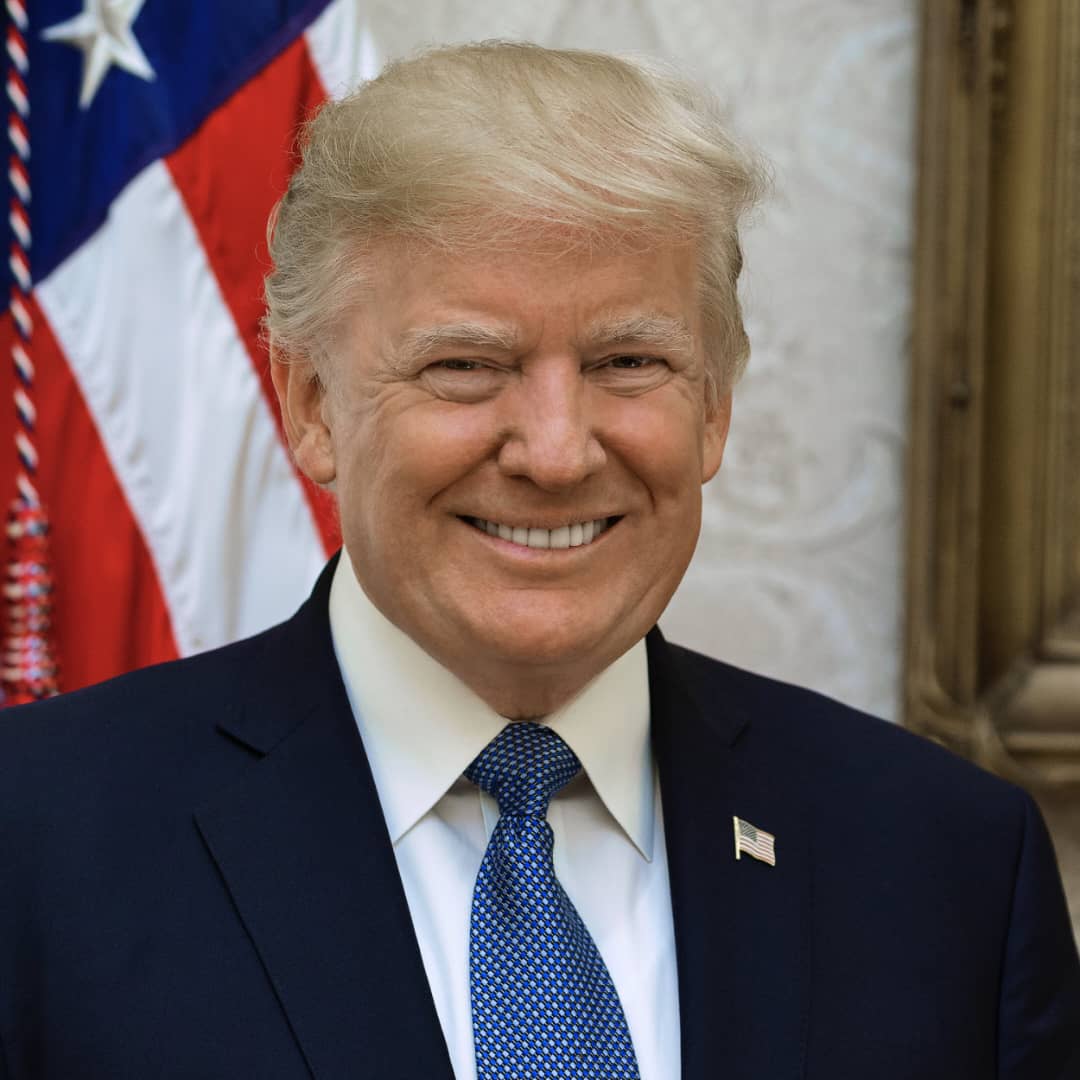
The Trump administration is reportedly considering closing nearly 30 US embassies and consulates across the world, including several in Africa. The move is framed as part of a broader effort to streamline America’s diplomatic presence abroad and reduce costs.
However, the proposal has sparked concerns about its potential diplomatic, economic, and developmental consequences, particularly for Africa.
Embassies Reportedly Targeted for Closure
Africa
Lesotho
Republic of Congo
Central African Republic
South Sudan
Potentially others, including Eritrea and The Gambia
Other Regions
Europe: Malta, Luxembourg, and potentially others
Asia and the Caribbean: Grenada and Maldives.
Short-Term Consequences
If implemented, the closures could lead to:
Reduced Diplomatic Engagement
Closing embassies would limit the United States’ ability to directly engage with African governments, institutions, and local stakeholders.
Disruption of Visa and Consular Services
This could affect travel, trade, investment flows, and people-to-people exchanges between the US and affected countries.
Reduced Intelligence and Security Presence
A smaller diplomatic footprint may weaken on-ground intelligence gathering and reduce situational awareness in sensitive regions.
Long-Term Consequences
Over time, critics argue the policy could result in:
Declining US Influence
A reduced diplomatic presence may weaken US influence in Africa and open space for competing global powers, particularly China, to expand their presence.
Economic Impact
Weaker diplomatic ties could negatively affect trade relationships, investment opportunities, and commercial partnerships between the US and African nations.
Humanitarian and Development Disruption
Embassies often support or coordinate development programs and humanitarian initiatives. Their closure could disrupt ongoing efforts in vulnerable regions.
Strategic Concerns and Criticism
Critics of the proposal argue that:
It could weaken US strategic interests abroad by reducing engagement and presence in key regions
It may create opportunities for rival powers to expand influence, especially China in Africa
It could reduce America’s ability to shape global outcomes through diplomacy rather than distance
Closing Perspective
At the core of the debate is a strategic trade-off: cost efficiency versus global influence.
While consolidation of diplomatic missions may reduce short-term expenses, critics warn it could carry long-term geopolitical and economic costs that are harder to reverse once influence is lost.
The Trump administration is reportedly considering closing nearly 30 US embassies and consulates across the world, including several in Africa. The move is framed as part of a broader effort to streamline America’s diplomatic presence abroad and reduce costs.
However, the proposal has sparked concerns about its potential diplomatic, economic, and developmental consequences, particularly for Africa.
Embassies Reportedly Targeted for Closure
Africa
Lesotho
Republic of Congo
Central African Republic
South Sudan
Potentially others, including Eritrea and The Gambia
Other Regions
Europe: Malta, Luxembourg, and potentially others
Asia and the Caribbean: Grenada and Maldives.
Short-Term Consequences
If implemented, the closures could lead to:
Reduced Diplomatic Engagement
Closing embassies would limit the United States’ ability to directly engage with African governments, institutions, and local stakeholders.
Disruption of Visa and Consular Services
This could affect travel, trade, investment flows, and people-to-people exchanges between the US and affected countries.
Reduced Intelligence and Security Presence
A smaller diplomatic footprint may weaken on-ground intelligence gathering and reduce situational awareness in sensitive regions.
Long-Term Consequences
Over time, critics argue the policy could result in:
Declining US Influence
A reduced diplomatic presence may weaken US influence in Africa and open space for competing global powers, particularly China, to expand their presence.
Economic Impact
Weaker diplomatic ties could negatively affect trade relationships, investment opportunities, and commercial partnerships between the US and African nations.
Humanitarian and Development Disruption
Embassies often support or coordinate development programs and humanitarian initiatives. Their closure could disrupt ongoing efforts in vulnerable regions.
Strategic Concerns and Criticism
Critics of the proposal argue that:
It could weaken US strategic interests abroad by reducing engagement and presence in key regions
It may create opportunities for rival powers to expand influence, especially China in Africa
It could reduce America’s ability to shape global outcomes through diplomacy rather than distance
Closing Perspective
At the core of the debate is a strategic trade-off: cost efficiency versus global influence.
While consolidation of diplomatic missions may reduce short-term expenses, critics warn it could carry long-term geopolitical and economic costs that are harder to reverse once influence is lost.