Address
26, Aggrey road NAB Secretariat 3rd Floor, Port Harcort Nigeria.
Work Hours
Monday to Friday: 7AM - 7PM
Weekend: 10AM - 5PM
Address
26, Aggrey road NAB Secretariat 3rd Floor, Port Harcort Nigeria.
Work Hours
Monday to Friday: 7AM - 7PM
Weekend: 10AM - 5PM

 Byadmin
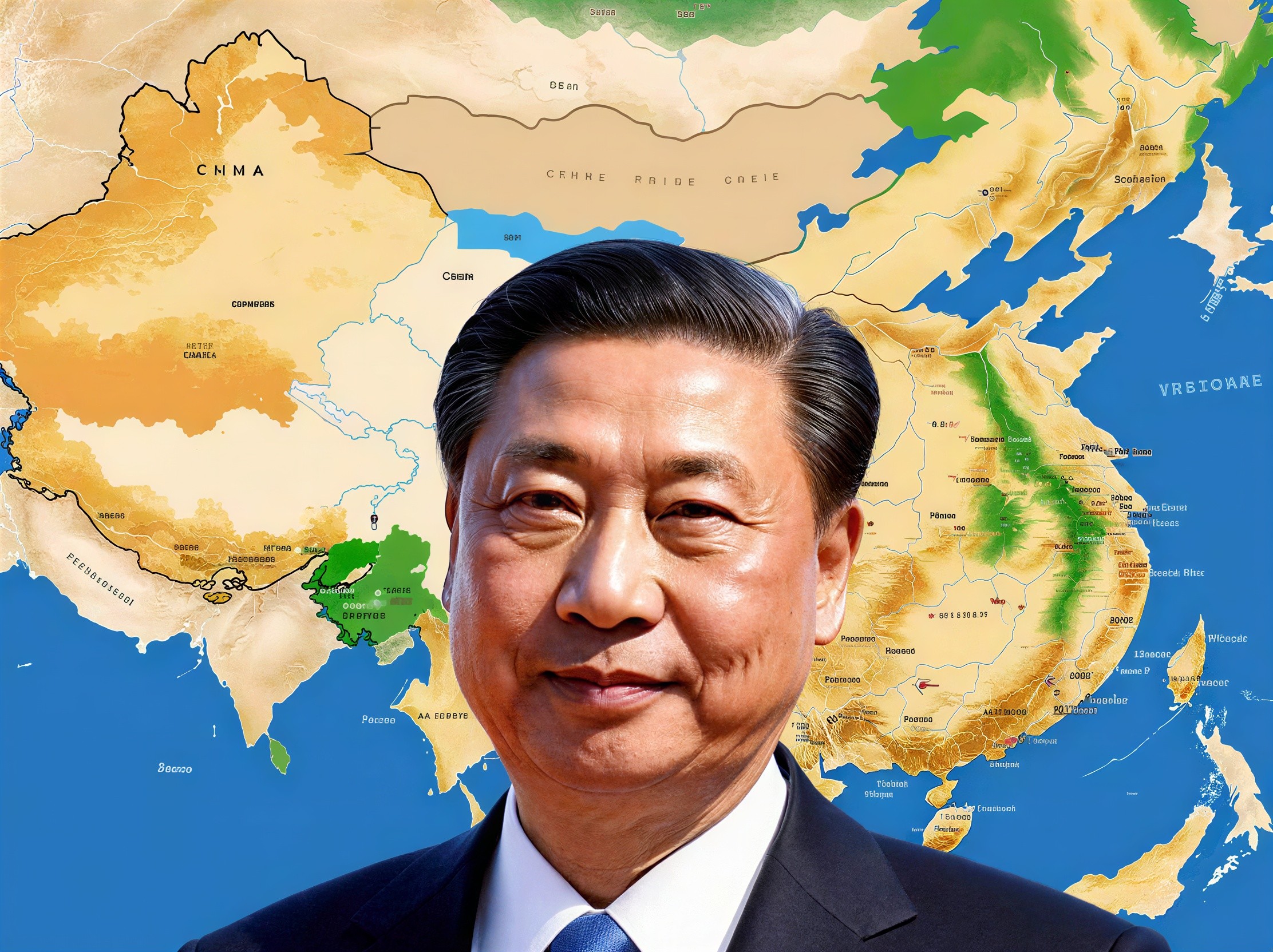
## IntroductionIn today’s globalized world, visa policies influence international relations, economic growth, and social interactions. The contrasting approaches of the United States and China regarding immigration and travel restrictions have drawn significant attention. This article explores the recent visa restrictions implemented by the United States, affecting approximately 19 countries, as well as China’s more welcoming visa policies aimed at fostering trade and tourism, particularly with African nations like Nigeria.—## U.S. Visa Restrictions: An Overview### Updated List of Affected CountriesThe recent visa restrictions implemented during the Trump administration and have continued to affect various countries , often due to security concerns. As of 2025, the countries impacted include:- Iran- Syria- North Korea- Venezuela- Libya- Chad- Iraq- Yemen- Somalia- Sudan- Cuba- Russia- Belarus- Myanmar- Afghanistan- Eritrea- Turkey- Haiti- Zimbabwe- Nigeria ( regarded as country of particular interest to US)These restrictions not only create barriers for individuals seeking to enter the U.S. but also strain family ties, business relations, and diplomatic engagements.#### Reasons for Ongoing RestrictionsThe reasons for these visa restrictions often include:- National security: Protecting U.S. interests from potential threats, especially from regions with unstable political situations.- Immigration control: Aiming to manage illegal immigration and enhance vetting processes.- Economic sanctions: These restrictions are sometimes tied to broader political strategies involving economic pressure on certain nations.### Impact on Nigerians in the U.S.The implications of these policies are particularly concerning for Nigerians living in the United States. There is a pervasive feeling of “travel fever” among many, particularly around the fear of being unable to return after traveling abroad.#### Economic ChallengesNigerians face several economic issues due to these visa restrictions:- Remittances: Many families in Nigeria depend on financial support from relatives in the U.S. Restrictions could diminish this flow of funds, adversely affecting Nigerian households.- Job Security: The uncertainty of visa renewals may impact career mobility for Nigerians in the U.S., leading to underemployment or job loss.#### Social and Cultural Impacts- Disconnected Families: The fear of being denied reentry creates emotional turmoil for families, making it challenging to maintain close relationships.- Cultural Exchange: Visa limitations also reduce opportunities for cultural exchanges, affecting mutual understanding and cooperation between nations.—## China’s Liberal Visa Policies### Visa-Free Access InitiativesIn stark contrast, China has adopted a more liberal immigration policy, offering visa exemptions for citizens from around 75 countries. Travelers can stay for 30 days without a visa for short visits. This initiative aims to stimulate tourism and enhance diplomatic ties.#### Benefits of China’s Visa PolicyThe advantages of China’s visa policies extend significantly to African nations:- Boosting Tourism: Easier access is expected to increase tourist flows, providing economic benefits to local economies.- Trade Relations: Improved mobility fosters economic partnerships, creating opportunities for investment and export growth.### Economic and Social Effects on African Countries#### Positive Economic OutcomesFor countries like Nigeria, the benefits of relaxed visa regulations from China might be substantial:- Increased Export Opportunities: Nigerian goods could access the Chinese market more easily, enhancing trade relations.- Job Creation: An influx of investment and increased tourism could stimulate job growth across various sectors.#### Social Implications- Enhanced Cultural Ties: Freer travel encourages greater cultural exchange, leading to deeper mutual understanding.- Educational Opportunities: Relaxed visa policies can lead to increased educational exchanges, allowing students greater access to academic opportunities in China.—## Comparative Analysis: U.S. vs. China Visa Policies### Economic Contributions to GDPThe differing visa policies between the U.S. and China illustrate the significant impact immigration can have on economic growth. The following tables showcase the potential economic benefits based on recent trends.#### Table 1: GDP Contribution from Migrants in Nigeria (Past 5 Years)| Year | GDP Contribution from Remittances (USD) | Percentage of GDP ||——|—————————————-|——————-|| 2019 | 24 billion | 6.2% || 2020 | 26 billion | 6.3% || 2021 | 28 billion | 6.7% || 2022 | 30 billion | 7.1% || 2023 | 32 billion | 7.5% |#### Table 2: Projected Economic Impact of Chinese Visa Policies| Year | Projected Trade Volume (USD) | Expected Growth Rate (%) ||——|——————————|————————–|| 2024 | 12 billion | 4% || 2025 | 14 billion | 6% || 2026 | 17 billion | 8% || 2027 | 20 billion | 9% || 2028 | 24 billion | 10% |—## Unique Features of U.S. and UK Visas### The Allure of U.S. and UK VisasU.S. and UK visas provide unique benefits that are especially appealing to international travelers:- Pathways to Permanent Residency: Both countries offer various opportunities for individuals to apply for residency, making them attractive destinations.- High-Quality Education: Prestigious universities attract many international students, fostering a highly skilled workforce.### Shifting Diplomatic RelationshipsFacing stringent visa policies from the U.S. and the UK, affected countries like Nigeria may consider strengthening diplomatic relationships with other nations. This strategic shift can offer multiple benefits:- Strengthened Trade Partnerships: Countries can explore new avenues for economic collaboration.- Collaborative Development Projects: Nations can pool resources for mutual development efforts.—## Conclusion: The Future Landscape of Visa PoliciesAs visa policies evolve, nations must approach these changes thoughtfully. While the U.S. and UK maintain strict visa protocols that may hinder international collaboration, China’s more liberal policies provide opportunities for economic growth and cultural exchange.### Looking Ahead- Balancing Security with Openness: Countries must find a way to protect their citizens while promoting international cooperation.- Ongoing Economic Assessments: Continuous monitoring of the economic implications of visa policies will be crucial for nations affected by travel restrictions.In conclusion, while visa restrictions can impose immediate challenges, the opportunities presented by more open visa policies—especially from countries like China—can foster valuable diplomatic relations and economic growth for African nations, particularly Nigeria. Navigating these dynamics wisely will enable countries to maximize the benefits of global interconnectivity while protecting their national interests.—Useful resources by same author:https://selar.com/m/izidor-jacob1Other resources that can make you a universal citizen:https://getcertified.ai/?wpam_id=504https://get.learnworlds.com/gq5e2swd1xu4https://lddy.no/1muef
You must be logged in to post a comment.
Turn your traffic into cash—join our affiliate program!
Drive sales, collect commissions—join our affiliate team!