Address
26, Aggrey road NAB Secretariat 3rd Floor, Port Harcort Nigeria.
Work Hours
Monday to Friday: 7AM - 7PM
Weekend: 10AM - 5PM
Address
26, Aggrey road NAB Secretariat 3rd Floor, Port Harcort Nigeria.
Work Hours
Monday to Friday: 7AM - 7PM
Weekend: 10AM - 5PM

 Byadmin
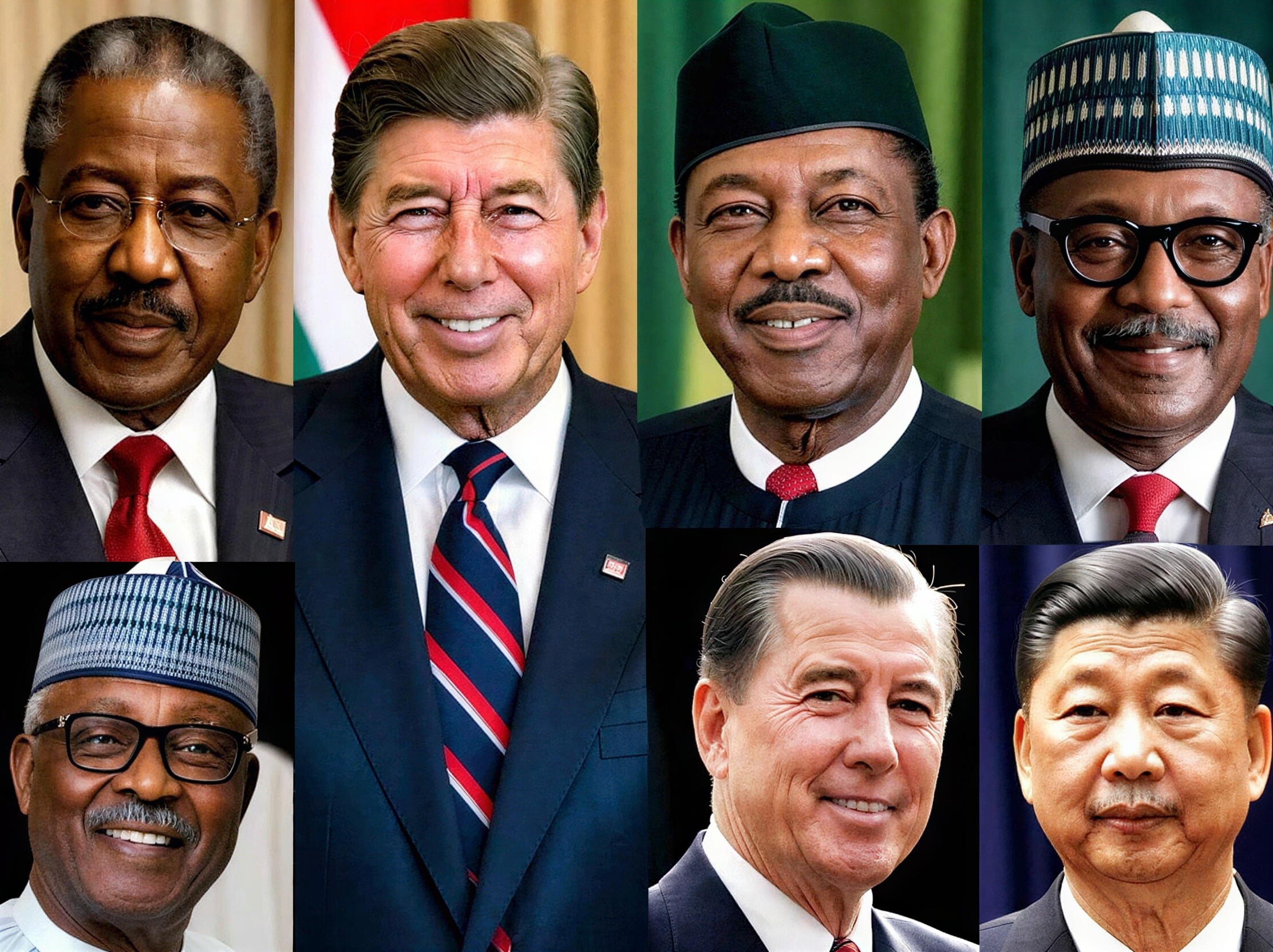
IntroductionIn the world of politics, the health of a nation’s president is not merely a personal matter; it has significant implications for national stability, governance, and public perception. Many presidents have expressed fury when reports surface about their health issues. This article delves into the reasons behind this reaction, exploring historic precedents, the psychological aspects of leadership, and the potential consequences of health disclosures.The Psychology of LeadershipThe Need for ControlPresidents often operate in a high-stakes environment where public perception can dictate political survival. When health concerns become part of public discourse, it undermines a leader’s image of control.Anxiety Over Voter ConfidenceA president’s health can influence voter confidence, leading to a decline in approval ratings. Fear of losing political capital often drives leaders to conceal their health issues.Perception of StrengthPolitical leaders are expected to embody strength and resilience. Issues related to health may suggest vulnerability, making it crucial for presidents to manage public perceptions aggressively.Historical Context: Furious Presidential ResponsesThe Case of Donald Trump (USA)One of the most notable examples in recent history is Donald Trump. Following reports about his health, particularly during his tenure as president from 2017 to 2021, Trump displayed visible anger, emphasizing a strong stance against perceived threats to his public image.The Public ReactionTrump’s responses often fueled media speculation and public curiosity, drawing attention to the broader implications of leadership health disclosures.Historical PrecedentsFranklin D. Roosevelt (USA)Roosevelt’s battle with polio was largely hidden from the public during his presidency from 1933 to 1945. His administration utilized strategies to maintain the illusion of health, projecting strength despite his physical condition.John F. Kennedy (USA)Kennedy’s Addison’s disease was another notable example. During his presidency from 1961 to 1963, he managed his health issues discreetly, fearing the repercussions of a vulnerable image would undermine his leadership capabilities.General Sani Abacha (Nigeria)In Nigeria, General Sani Abacha’s health was a closely guarded secret during his rule from 1993 until his sudden death in 1998 due to a heart attack, leading to speculation about the nature of his demise.Woodrow Wilson (USA)Following his severe stroke in 1919, Wilson’s health was hidden from the public during his presidency from 1913 to 1921, with his wife, Edith, taking over many official duties.Global Perspectives on Health Hidden from the PublicJulius Caesar (Ancient Rome)In ancient Rome, Julius Caesar concealed his epilepsy, fearing that revealing this could weaken his status and authority during his reign.Mao Zedong (China)Mao managed to conceal chronic ailments throughout his rule from 1949 to 1976, ensuring that his leadership was not questioned.The African ContextUmaru Musa Yar’Adua (Nigeria)In Nigeria, Umaru Musa Yar’Adua’s health issues remained undisclosed until his demise in 2010, resulting in a constitutional crisis due to succession uncertainties after he served as president from 2007.John Magufuli (Tanzania)Similarly, John Magufuli served as president of Tanzania from 2015 until his unexpected death in 2021 from heart disease, revealing the hazards of health secrecy in leadership positions.Additional Global ExamplesFidel Castro (Cuba)The Cuban leader Fidel Castro kept various health issues private throughout his rule from 1959 to 2008, presenting himself as the epitome of revolutionary vigor.Charles de Gaulle (France)De Gaulle faced persistent back pain while maintaining his public image as a strong leader during his presidency from 1959 to 1969, refusing to acknowledge vulnerabilities.Adolf Hitler (Germany)Despite suffering from Parkinson’s disease, Hitler, who was in power from 1933 to 1945, concealed his declining health to maintain authority and control over his government.Consequences of Concealed Health IssuesPolitical ImplicationsSuccession CrisesWhen presidents fail to be transparent about health conditions, it can lead to governance instability. This was evident in Nigeria when Yar’Adua’s health issues created a power vacuum.The Role of MediaThe media plays a significant role in shaping public perception. When health concerns are leaked, it can create an environment rife with speculation and mistrust.Public TrustTransparency in health matters can bolster public trust, as citizens appreciate leaders who are honest about their vulnerabilities.The Importance of Transparency in GovernanceBuilding Trust with the PublicOpen communication regarding health issues fosters a deeper connection with constituents, reinforcing the perception that leaders are relatable and trustworthy.Designing a Succession PlanGovernments should prioritize establishing clear succession protocols to mitigate the risks associated with concealed health issues, as seen in numerous historical contexts.Table 1: Presidents, Age, Disease/Illness, Wrong Decisions/Sticking, and Effects ThereafterPresident Country Age Period of Reign Disease/Illness Wrong Decision/Sticking Effect ThereafterJohn F. Kennedy USA 46 1961-1963 Addison’s disease Hid health issues Maintained public image, but health questions persistedFranklin D. Roosevelt USA 63 1933-1945 Polio Downplayed disability Projected strength, but limited his ability to governUmaru Musa Yar’Adua Nigeria 58 2007-2010 Pericarditis Kept health secret Resulted in constitutional crisis post-demiseSani Abacha Nigeria 54 1993-1998 Heart Attack Concealed health issues Speculations of poisoning arose after his deathWoodrow Wilson USA 63 1913-1921 Stroke Kept health hidden Many duties shifted to his wife, affecting governanceJohn Magufuli Tanzania 61 2015-2021 Heart disease Continued work despite illness Sudden death caused political shock and instabilityJulius Caesar Ancient Rome 56 49 BC – 44 BC Epilepsy Concealed epilepsy Authority questioned during late leadership yearsMao Zedong China 82 1949-1976 Acute heart and lung issues Maintained secrecy Leadership questioned towards end of lifeFidel Castro Cuba 90 1959-2008 Gastrointestinal issues Concealed operations Image of invincibility eroded post-revealCharles de Gaulle France 79 1959-1969 Chronic back pain Hiding physical pain Question of capability arose during latter yearsAdolf Hitler Germany 56 1933-1945 Parkinson’s disease Downplayed health Increasingly erratic decision-making in later war yearsTable 2: Presidents Who Died in OfficePresident Country Age at Death Cause of Death Period of ReignWilliam Henry Harrison USA 68 Pneumonia 1841Zachary Taylor USA 65 Gastroenteritis 1849-1850Warren G. Harding USA 57 Heart attack 1921-1923Franklin D. Roosevelt USA 63 Cerebral hemorrhage 1933-1945Umaru Musa Yar’Adua Nigeria 58 Pericarditis 2007-2010Sani Abacha Nigeria 54 Heart attack 1993-1998John Magufuli Tanzania 61 Heart disease 2015-2021Lessons LearnedHistorical InsightsThe Value of OpennessHistorical case studies illustrate that transparency about health not only supports democracy but also preserves the image of strength necessary for effective leadership.A Call for ChangeMoving forward, leaders must recognize the benefits of openness regarding health issues to foster stability and continuity in governance.The reaction of presidents to health reports reveals much about the intersection of personal well-being and public life. Fear of vulnerability often drives leaders to conceal their health concerns, leading to significant political implications. By examining historical precedents and understanding the psychological pressure on leaders, we can appreciate the complexity of health issues in governance. Ultimately, establishing a culture of transparency will not only enhance public trust but also contribute to a more stable political landscape. —-Dear Supporters’,We immensely grateful for your generosity and the spirit of giving that you have shown towards Izidor and Friends Project. Your donations and tips are not just contributions; they are acts of kindness that fuel our mission to empower and uplift the lives of persons with disabilities.Your support is a testament to the collective power of community and compassion in creating positive change. Please accept our heartfelt thanks for your invaluable contributions. Together, we are making a difference, one step at a time.With warm appreciation,Izidor Jacob & TeamBuy us a coffee:Show love, share kindness! Support our PWD page and create a more inclusive world”.Donate any amount to support our PWD advocacy page.(PayPal: ikeagwuizidor@gmail.com, Zenith bank Plc Nigeria: account number 1003235561You may find these resources useful. When you make a purchase, we earn a commission and you will be a disabilities advocate champion 😁https://get.learnworlds.com/gq5e2swd1xu4https://lddy.no/1muefBuy Business Words Used Offline by Izidor Jacob on Selar https://share.google/G8lqAfQRYCNwA7PVYBuy Affiliate Marketing Secrets by Izidor Jacob on Selar https://selar.com/4n7zu2https://selar.com/4n7zu2https://aff.stakecut.com/654652/99171404https://aff.stakecut.com
You must be logged in to post a comment.
Boost your income—enroll in our affiliate program today!
Join our affiliate program today and earn generous commissions!