Welcome, Guest!

Empowering Innovation, Championing Inclusion, Driving Equitable Growth.

At JasdorBlog, we’re more than a platform; we’re a movement. We equip solopreneurs with AI, advocate for Persons with Disabilities (PWD), and drive inclusive Host Community Development (HCDC) across Nigeria's energy sector.

US. and China: Navigating Visa Policies and Their Global Impact

Introduction

In today’s globalized world, visa policies influence international relations, economic growth, and social interactions. The contrasting approaches of the United States and China regarding immigration and travel restrictions have drawn significant attention.

This article explores the recent visa restrictions implemented by the United States, affecting approximately 19 countries, as well as China’s more welcoming visa policies aimed at fostering trade and tourism, particularly with African nations like Nigeria.

U.S. Visa Restrictions: An Overview

Updated List of Affected Countries

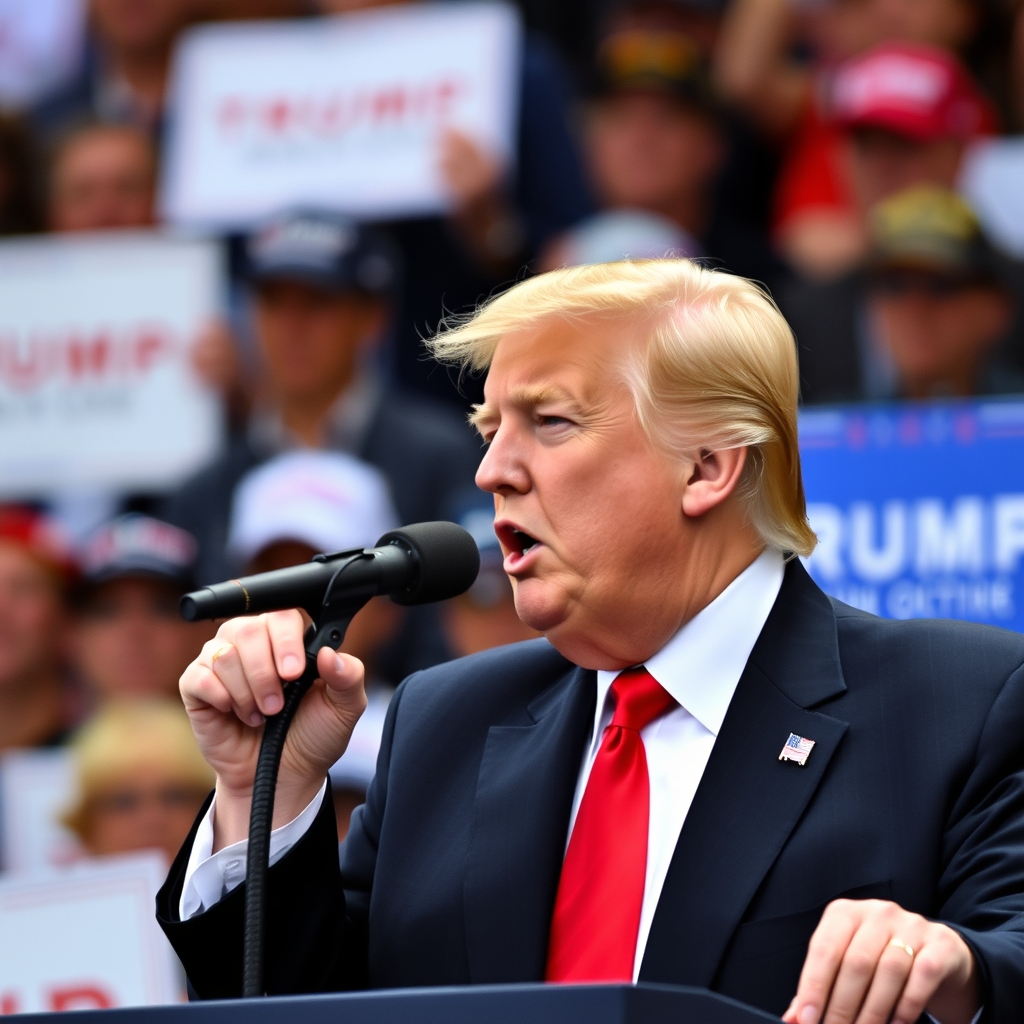
The recent visa restrictions implemented during the Trump administration and have continued to affect various countries, often due to security concerns.

As of 2025, the countries impacted include:

- Iran
- Syria
- North Korea
- Venezuela
- Libya
- Chad
- Iraq
- Yemen
- Somalia
- Sudan
- Cuba
- Russia
- Belarus
- Myanmar
- Afghanistan
- Eritrea
- Turkey
- Haiti
- Zimbabwe
- Nigeria ( regarded as country of particular interest to US)

These restrictions not only create barriers for individuals seeking to enter the U.S. but also strain family ties, business relations, and diplomatic engagements.

Reasons for Ongoing Restrictions

The reasons for these visa restrictions often include:

- National security: Protecting U.S. interests from potential threats, especially from regions with unstable political situations.
- Immigration control: Aiming to manage illegal immigration and enhance vetting processes.
- Economic sanctions: These restrictions are sometimes tied to broader political strategies involving economic pressure on certain nations.

Impact on Nigerians in the U.S.

The implications of these policies are particularly concerning for Nigerians living in the United States. There is a pervasive feeling of “travel fever” among many, particularly around the fear of being unable to return after traveling abroad.

Economic Challenges

Nigerians face several economic issues due to these visa restrictions:

- Remittances: Many families in Nigeria depend on financial support from relatives in the U.S. Restrictions could diminish this flow of funds, adversely affecting Nigerian households.
- Job Security: The uncertainty of visa renewals may impact career mobility for Nigerians in the U.S., leading to underemployment or job loss.

Social and Cultural Impacts

- Disconnected Families: The fear of being denied reentry creates emotional turmoil for families, making it challenging to maintain close relationships.
- Cultural Exchange: Visa limitations also reduce opportunities for cultural exchanges, affecting mutual understanding and cooperation between nations.

China’s Liberal Visa Policies

Visa-Free Access Initiatives

In stark contrast, China has adopted a more liberal immigration policy, offering visa exemptions for citizens from around 75 countries. Travelers can stay for 30 days without a visa for short visits.

This initiative aims to stimulate tourism and enhance diplomatic ties.

Benefits of China’s Visa Policy

The advantages of China’s visa policies extend significantly to African nations:

- Boosting Tourism: Easier access is expected to increase tourist flows, providing economic benefits to local economies.
- Trade Relations: Improved mobility fosters economic partnerships, creating opportunities for investment and export growth.

Economic and Social Effects on African Countries

Positive Economic Outcomes

For countries like Nigeria, the benefits of relaxed visa regulations from China might be substantial:

- Increased Export Opportunities: Nigerian goods could access the Chinese market more easily, enhancing trade relations.
- Job Creation: An influx of investment and increased tourism could stimulate job growth across various sectors.

Social Implications

- Enhanced Cultural Ties: Freer travel encourages greater cultural exchange, leading to deeper mutual understanding.
- Educational Opportunities: Relaxed visa policies can lead to increased educational exchanges, allowing students greater access to academic opportunities in China.

Comparative Analysis: U.S. vs. China Visa Policies

Economic Contributions to GDP

The differing visa policies between the U.S. and China illustrate the significant impact immigration can have on economic growth.

The following tables showcase the potential economic benefits based on recent trends.

Table 1: GDP Contribution from Migrants in Nigeria (Past 5 Years)

Year| GDP Contribution from Remittances (USD)| Percentage of GDP
2019| 24 billion| 6.2%
2020| 26 billion| 6.3%
2021| 28 billion| 6.7%
2022| 30 billion| 7.1%
2023| 32 billion| 7.5%

Table 2: Projected Economic Impact of Chinese Visa Policies

Year| Projected Trade Volume (USD)| Expected Growth Rate (%)
2024| 12 billion| 4%
2025| 14 billion| 6%
2026| 17 billion| 8%
2027| 20 billion| 9%
2028| 24 billion| 10%

Unique Features of U.S. and UK Visas

The Allure of U.S. and UK Visas

U.S. and UK visas provide unique benefits that are especially appealing to international travelers:

- Pathways to Permanent Residency: Both countries offer various opportunities for individuals to apply for residency, making them attractive destinations.
- High-Quality Education: Prestigious universities attract many international students, fostering a highly skilled workforce.

Shifting Diplomatic Relationships

Facing stringent visa policies from the U.S. and the UK, affected countries like Nigeria may consider strengthening diplomatic relationships with other nations.

This strategic shift can offer multiple benefits:

- Strengthened Trade Partnerships: Countries can explore new avenues for economic collaboration.
- Collaborative Development Projects: Nations can pool resources for mutual development efforts.

Conclusion: The Future Landscape of Visa Policies

As visa policies evolve, nations must approach these changes thoughtfully.

While the U.S. and UK maintain strict visa protocols that may hinder international collaboration, China’s more liberal policies provide opportunities for economic growth and cultural exchange.

Looking Ahead

- Balancing Security with Openness: Countries must find a way to protect their citizens while promoting international cooperation.
- Ongoing Economic Assessments: Continuous monitoring of the economic implications of visa policies will be crucial for nations affected by travel restrictions.

In conclusion, while visa restrictions can impose immediate challenges, the opportunities presented by more open visa policies—especially from countries like China—can foster valuable diplomatic relations and economic growth for African nations, particularly Nigeria.

Navigating these dynamics wisely will enable countries to maximize the benefits of global interconnectivity while protecting their national interests.

Useful Resources by Same Author

https://selar.com/m/izidor-jacob1

Other Resources That Can Make You a Universal Citizen

https://getcertified.ai/?wpam_id=504

https://get.learnworlds.com/gq5e2swd1xu4

https://lddy.no/1muef

The Weight of Taxation: How Overlapping Tax Systems Shape Governance and Public Trust

2019, Lebanon’s government proposed a modest 20-cent tax on WhatsApp calls—a policy intended to raise funds during an economic crisis.

Within weeks, millions took to the streets. What began as outrage over a digital fee exploded into a nationwide revolution, forcing the prime minister’s resignation and reshaping the nation’s political landscape.

This is not an isolated incident. Across the globe, from African nations to advanced economies, complex tax systems have become catalysts for profound societal change.

When taxation feels arbitrary, opaque, or inequitable, it erodes public trust—not just in policies, but in the very foundation of governance.

This article explores how overlapping tax structures—where multiple layers of authority impose conflicting rules—create tangible burdens on citizens and businesses, and how these pressures can ultimately trigger political upheaval.

By examining historical and contemporary case studies, we uncover critical lessons for building fiscal systems that strengthen, rather than destabilize, democratic institutions.

Understanding Multiple Taxation: Beyond High Rates

Multiple taxation refers to situations where citizens and businesses face overlapping, inconsistent, or excessive tax obligations from different government entities—such as national, state, provincial, or local authorities—or through poorly coordinated international agreements.

This is distinct from simply having high tax rates; it’s about complexity, lack of transparency, and perceived unfairness.

Why This Matters for Everyday Citizens

For small business owners, farmers, or informal sector workers, multiple taxation often means:

Compliance fatigue: Filling dozens of forms for different agencies.

Double taxation: Paying taxes on the same income or transaction at multiple levels (e.g., local sales tax plus national value-added tax without proper credits).

Arbitrary enforcement: Bribery demands from officials across different jurisdictions.

A 2023 World Bank report found that in developing economies, small enterprises spend 20–30% more time on tax compliance than their counterparts in high-income countries.

This drains resources that could fuel innovation or job creation.

When citizens perceive the system as exploitative rather than protective, trust in institutions erodes—and history shows that erosion can become irreversible.

The Role of Tax Transparency

Transparency is the antidote.

When tax laws are clear, consistently applied, and publicly accessible, citizens accept their role in funding public goods.

But when rules change arbitrarily or enforcement feels selective, communities interpret this as systemic injustice.

Case Studies: When Tax Systems Sparked National Upheaval

| Country | Year | Key Tax Policy Trigger | Outcome | |——–|——|—————————————————————————————-|————————————————————————-| | Lebanon | 2019 | Proposed 20-cent tax on WhatsApp calls amid economic crisis | Mass protests forced Prime Minister Saad Hariri to resign; government collapsed | | Sudan | 2019 | Fuel subsidy cuts (linked to IMF tax/revenue reforms) + soaring bread prices | Months of protests ousted President Omar al-Bashir after 30 years in power | | Tunisia | 2011 | Austerity taxes during unemployment crisis + corruption-driven revenue mismanagement | Jasmine Revolution led to democratic transition and new constitution | | France | 1789 | Feudal tax exemptions for clergy/nobility + heavy levies on Third Estate | French Revolution; monarchy abolished | | Cameroon | 2017 | Centralized tax policies ignoring Anglophone regions’ fiscal autonomy demands | Ongoing civil conflict; regional autonomy demands persist | | Zimbabwe | 2008 | Hyperinflation from uncoordinated currency/tax policies + land reform tax disputes | Power-sharing agreement ended Robert Mugabe’s single-party rule.

Lebanon’s WhatsApp Tax: A Spark in the Digital Age

How a Minor Policy Ignited Revolution

In October 2019, Lebanon’s government announced a proposed 20-cent tax on WhatsApp calls—a seemingly insignificant measure aimed at addressing a budget deficit.

For citizens already grappling with currency devaluation, rising unemployment, and widespread corruption, this felt like the final straw.

Within hours, protests erupted nationwide, uniting diverse communities against a system perceived as fundamentally broken.

The Underlying Fiscal Crisis

The tax proposal was merely the symptom of deeper issues:

80% of national revenue came from regressive indirect taxes (like VAT), disproportionately burdening low-income households

Elite tax evasion cost the government over $500 million annually

Public spending on healthcare and education had plummeted to 10% of GDP

Within three weeks, Prime Minister Saad Hariri resigned.

The protests continued for months, exposing how tax policy had become a symbol of systemic failure.

Sudan’s Fuel Subsidy Crisis: Economic Dignity Under Siege

When Austerity Measures Backfired

In December 2018, Sudan’s government doubled bread prices and tripled fuel costs—policies driven by IMF-mandated fiscal reforms and collapsing oil revenues.

For a nation where 70% of citizens lived below the poverty line, these changes made basic survival impossible.

Grassroots Resistance Turns Revolutionary

Protests began in the city of Atbara and quickly spread.

What started as “bread price” demonstrations evolved into calls for “bread, freedom, and justice.”

Crucially, citizens linked the price hikes to broader issues:

Opaque customs fees allowing elite corruption

Tax revenue diverted from public services to military accounts

Lack of transparency in how international aid was distributed

After 100 consecutive days of protests, General Abdel Fattah al-Burhan led a military coup in April 2019, ousting President Omar al-Bashir after 30 years in power.

Critical Lessons for Stable Governance

Transparency Must Be Non-Negotiable

Rwanda’s Imihigo System: A Blueprint for Accountability

Rwanda’s post-genocide government transformed tax policy through Imihigo—a performance-based accountability framework.

Local leaders publicly commit to specific revenue and service targets, with citizens tracking progress through community meetings.

Citizen Reporting Builds Trust

This transparency has yielded remarkable results:

Tax compliance increased by 35% despite higher rates for corporations

Public trust in government rose from 34% (2008) to 89% (2023)

Revenue collection now funds 95% of education and healthcare costs.

Simplification Prevents Resistance

Nigeria’s Tax Consolidation: Cutting Through Complexity

In 2020, Nigeria’s government launched the Buhari Reform, merging 60+ state-level taxes into a single unified digital system for businesses.

Impact:

Compliance costs dropped by 25% for small enterprises

Formal sector participation grew by 40% within two years

Revenue collection increased by 12% despite lower tax rates

Lessons from Ghana’s Digital Platform

Ghana’s introduction of a single online tax portal reduced disputes by 60% and streamlined filings across 27 local authorities.

As one Accra business owner noted:

“We used to spend weeks chasing paperwork. Now it takes hours.”

The United States Perspective: How Federalism Mitigates Risk

Lessons from State-Level Tax Battles

California’s Proposition 30 Case Study

In 2012, California voters approved Proposition 30—a temporary income tax increase on high earners to fund public education.

The policy was paired with transparent budget tracking, showing exactly how tax dollars improved school facilities and teacher salaries.

Texas’s Sales Tax Model: A Contrast in Revenue Strategy

Texas operates without a state income tax, relying instead on high sales taxes and property taxes.

While this attracts businesses, it disproportionately burdens low-income households.

Recent debates over sales tax exemptions for groceries highlight how tax design choices can either deepen inequality or build social cohesion.

Balancing Fairness and Simplicity

The U.S. experience shows that decentralized systems prevent single-point failures but require vigilance.

When tax policies lack equity—such as the 2017 federal tax cuts that favored corporations—public trust erodes.

Conversely, policies like California’s transparent education funding model strengthen democratic stability.

Building Tax Systems That Serve People, Not Just Revenue Targets

The Global Imperative

For African and developing nations, sustainable fiscal systems require three pillars:

1. Centralized administration to eliminate conflicting local rules (e.g., Uganda’s digital tax portal reduced compliance time by 50%)

2. Progressive structures that ask more from those with greater capacity (e.g., Kenya’s 2023 corporate tax reforms)

3. Public education explaining tax usage in accessible terms (e.g., Ghana’s “Your Taxes Build Hospitals” initiative)

Even in mature democracies like the United States, tax policy must address growing inequality.

As economist Joseph Stiglitz observes:

“A fair tax system isn’t just about revenue—it’s about ensuring every citizen believes in the social contract.”

Conclusion: Tax Justice as the Foundation of Stable Governance

The lessons from Lebanon, Sudan, Tunisia, and beyond are clear: when tax systems prioritize revenue extraction over human dignity, they inevitably breed instability.

Rwanda’s transparency, Nigeria’s simplification, and Ghana’s education initiatives prove that fair, clear tax policies strengthen—not weaken—democratic institutions.

For governments worldwide, the choice is simple: design systems that empower communities or risk their collapse.

After all, no nation has ever built lasting stability on the backs of its most vulnerable citizens.

> “Taxation without representation is tyranny.”

This 18th-century warning remains timeless. In an era of digital and global interconnectedness, the responsibility to design fair, equitable tax system is inevitable.

Dear Supporters’,

We immensely grateful for your generosity and the spirit of giving that you have shown towards Izidor and Friends Project. Your donations and tips are not just contributions; they are acts of kindness that fuel our mission to empower and uplift the lives of persons with disabilities.

Your support is a testament to the collective power of community and compassion in creating positive change. Please accept our heartfelt thanks for your invaluable contributions. Together, we are making a difference, one step at a time.

With warm appreciation,
Izidor Jacob & Team

Buy us a coffee

Show love, share kindness! Support our PWD page and create a more inclusive world”.

Donate any amount to support our PWD advocacy page.
(PayPal: ikeagwuizidor@gmail.com, Zenith Bank Plc Nigeria: account number 1003235561)

Affiliate Links

You may find these resources useful. When you make a purchase, we earn a commission and you will be a disabilities advocate champion 😁

https://get.learnworlds.com/gq5e2swd1xu46l
https://lddy.no/1muef
Buy Business Words Used Offline by Izidor Jacob on Selar https://share.google/G8lqAfQRYCNwA7PVY
Buy Affiliate Marketing Secrets by Izidor Jacob on Selar https://selar.com/4n7zu2
https://aff.stakecut.com/654652/99171404
https://aff.stakecut.com

The Erosion of Traditional Values: How Christianity is Impacting Nigeria’s First-Clas

In Nigeria, particularly in the Niger Delta region, an increasing number of Christians are occupying traditional stools, titles, or offices originally meant for traditional custodians.
This phenomenon, fueled by political influence and wealth, raises concerns about the integrity of traditional structures. Government support for these individuals often ties in with political agendas, especially in the case of first-class stools such as Obas, Obis, Emirs, Ezes, Amayanabos and Olus.
This transition not only affects local governance but also reshapes the cultural landscape of Nigeria.
In the recent past, it is important to note that no first class traditional ruler has been removed from office in the niger Delta region for gross misconduct all for not serving his people’s best traditional and customary interest.
While this trend is observed, it’s important to note that the absence of this occurrence does not preclude it from happening if a first-class traditional ruler feels it serves his people’s best interests.
Traditional Duties and Functions of Nigerian Monarchs
Occupants of traditional stools historically carry vital roles within their communities. Their duties typically include:
Presiding Over Traditional Festivals: They oversee traditional rites, celebrate festivals like the New Yam Festival, and guide traditional priests.
Custodianship of Tradition: Rulers direct masquerades and ensure the enactment of traditional performances.
Judiciary Functions: They preside over traditional courts and resolve disputes according to indigenous customs.
Spiritual Leadership: Acting as traditional seers, they offer spiritual guidance and maintain a connection to the ancestral spirits.
Community Representation: Traditional rulers serve as the primary link between the government, corporate organizations especially multinationals and their communities, advocating for cultural and social matters.
Historical Context of Traditional Stools in Nigeria and Beyond
Understanding traditional stools requires a historical perspective. Monarchs played key roles in pre-colonial Nigeria, with figures like the Oba of Benin and the Sultan of Sokoto holding significant sway over governance, spirituality, and culture.
Similar figures exist globally, such as:
Asantehene in Ghana
Emperor of Japan in Asia
King of Saudi Arabia with political and religious court powers
Monarchs in the United Kingdom, serving symbolic roles in national identity
Selection and Ascension to Traditional Stools
The process of selection and ascension to traditional stools is deeply rooted in cultural beliefs and customs. Key criteria often include:
Knowledge of local customs and community traditions.
Historical involvement in palace or traditional events.
Spiritual endorsement from the traditional council, involving consultations with traditional or spiritual leaders.
Ancestral lineage traced back several generations.
Marital ties, preferably to a native woman.
Financial stability, although this may be less emphasized.
Comparison of Selection Processes Across Nigerian First-Class Stools
This table compares the selection processes for several first-class traditional rulers in Nigeria, incorporating additional insight into those from the Niger Delta region:
Traditional Ruler
Region
Selection Process
Key Requirements
Oba of Benin
Edo State
Heir apparent from royal family, approval by traditional council
Royal lineage, tradition knowledge
Sultan of Sokoto
Sokoto
Selection by kingmakers, government approval
Islamic scholarship, Fulani lineage
Obi of Onitsha
Anambra
Selection from royal family, approval by traditional council
Royal lineage, Onitsha tradition knowledge
Emir of Kano
Kano
Selection by kingmakers, government approval
Fulani lineage, Islamic knowledge
Amanyanabo of Opopu
Rivers State
Selection from the royal house, approval by traditional council
Royal lineage, Opobo tradition knowledge
Ogbakor Ikwerre
Rivers State
Election by community members, approval from the elders
Knowledge of Ikwerre customs, lineage
Oba of Lagos
Lagos
Approval by royal family and community consensus
Knowledge of Yoruba traditions, royal lineage
Eze Egi of Egi Kingdom
Ogba, Rivers State
Ascends based on lineage and acceptance by the Egi Council of Chiefs and community
Deep understanding of Egi traditions and customs, leadership qualities


The Impact of Christianity on Traditional Stools
The growing presence of Christianity within these traditional systems raises critical questions.
Many converts to Christianity—now holding traditional titles—tend to infuse foreign doctrines into their roles. As a result, core cultural practices may be neglected, which can lead to a significant erosion of traditional standards in Nigeria.
For example, in Ogba/Egbema/Ndoni Local Government Area (ONELGA) a first-class traditional ruler has not attended or presided over the New Yam festival since his ascension, citing conflicts with his Christian beliefs [1][2].
The selective approach some rulers take in fulfilling their duties can diminish community respect for these institutions.
Dethronement and Recall of Traditional Rulers
Dethronement can occur for various reasons:
Neglect of Traditional Duties: Failing to uphold essential cultural responsibilities can undermine a ruler’s authority [3][4].
Introduction of Foreign Doctrines: Blending in Western or Christian values with traditional beliefs can create conflict.
Government Intervention: Politically motivated actions can lead to the removal of rulers [3][5].
Spiritual Infractions: Not adhering to traditional spiritual laws or customs can trigger community backlash.
While government intervention is a common factor in the removal of traditional rulers [3][5], historical examples also show instances where the community or traditional council initiated the process [4][6].
The process and grounds for removal vary depending on the specific traditions and customs of the community. Some possible reasons include abuse of power, failure to maintain peace, or violating sacred traditions.
After dethronement, former rulers often face considerable challenges, including social ostracism and the necessity to adapt to life outside traditional governance.
Government Interest and Its Impact
Government interest in traditional institutions can complicate this already delicate relationship. Politicians often exploit traditional rulers for electoral advantages, leading to improper screening of aspirants and power dynamics that diverge from historical practices [3].
Case Studies of Dethronement and Its Aftermath
Dethroned figures, such as the former Emir of Kano, Sanusi Lamido Sanusi, exemplify the intricate challenges traditional rulers face in contemporary Nigeria [7][8].
Their experiences shed light on the socio-political complexities surrounding traditional stools.
Other examples include the Oba of Lagos, Akitoye, who was dethroned for attempting to ban slave trading, and the Alaafin of Oyo, Oba Adeniran Adeyemi [4].
Conclusion
The integration of Christianity into Nigeria’s first-class traditional stools poses a multifaceted challenge, impacting long-standing cultural values and customs.
To safeguard Nigeria’s diverse heritage, it is crucial to uphold traditional selection processes while ensuring that all occupants fulfill their obligations without spiritual prejudice.
Respecting traditional institutions and allowing them to operate according to customs will help in preserving the cultural identity of Nigeria.
Recommendations for Preserving Traditional Institutions
Fortify traditional selection processes to ensure only qualified and culturally informed candidates ascend to thrones.
Encourage rulers to engage fully in their roles, performing all duties without selective adherence.
Minimize government involvement in traditional matters, allowing traditional institutions the autonomy to self-regulate.
This article blends extensive research on traditional stools in Nigeria, offering insights into the interplay between Christianity and cultural heritage while emphasizing the importance of upholding traditional customs within the contemporary political landscape.
Learn more:
https://thesun.ng/rivers-community-marks...of-crisis/
https://en.wikipedia.org/wiki/Ogba%E2%80...80%93Ndoni
https://guardian.ng/features/law/removal...y-lawyers/
https://lists.ng/7-times-traditional-rul...-the-past/
https://thenationonlineng.net/seven-govs...-monarchs/
https://journals.openedition.org/etudesa...es/pdf/215
https://www.cfr.org/blog/how-understand-...er-nigeria
https://saharareporters.com/2020/03/10/s...an-history
Dear Supporters’,
We immensely grateful for your generosity and the spirit of giving that you have shown towards Izidor and Friends Project. Your donations and tips are not just contributions; they are acts of kindness that fuel our mission to empower and uplift the lives of persons with disabilities.
Your support is a testament to the collective power of community and compassion in creating positive change. Please accept our heartfelt thanks for your invaluable contributions. Together, we are making a difference, one step at a time.
With warm appreciation,
Izidor Jacob & Team
Buy us a coffee
Show love, share kindness! Support our PWD page and create a more inclusive world”.
Donate any amount to support our PWD advocacy page.
(PayPal: ikeagwuizidor@gmail.com, Zenith Bank Plc Nigeria: account number 1003235561)
Affiliate Links
You may find these resources useful. When you make a purchase, we earn a commission and you will be a disabilities advocate champion 😁
https://get.learnworlds.com/gq5e2swd1xu4
https://lddy.no/1muef
Buy Business Words Used Offline by Izidor Jacob on Selar https://share.google/G8lqAfQRYCNwA7PVY
Buy Affiliate Marketing Secrets by Izidor Jacob on Selar https://selar.com/4n7zu2
https://aff.stakecut.com/654652/99171404
https://aff.stakecut.com

Why Do Presidents Get Furious About Health Reports?

Introduction

In the world of politics, the health of a nation’s president is not merely a personal matter; it has significant implications for national stability, governance, and public perception. Many presidents have expressed fury when reports surface about their health issues. This article delves into the reasons behind this reaction, exploring historic precedents, the psychological aspects of leadership, and the potential consequences of health disclosures.

The Psychology of Leadership

The Need for Control

Presidents often operate in a high-stakes environment where public perception can dictate political survival. When health concerns become part of public discourse, it undermines a leader’s image of control.

Anxiety Over Voter Confidence

A president’s health can influence voter confidence, leading to a decline in approval ratings. Fear of losing political capital often drives leaders to conceal their health issues.

Perception of Strength

Political leaders are expected to embody strength and resilience. Issues related to health may suggest vulnerability, making it crucial for presidents to manage public perceptions aggressively.

Historical Context: Furious Presidential Responses

The Case of Donald Trump (USA)

One of the most notable examples in recent history is Donald Trump. Following reports about his health, particularly during his tenure as president from 2017 to 2021, Trump displayed visible anger, emphasizing a strong stance against perceived threats to his public image.

The Public Reaction

Trump’s responses often fueled media speculation and public curiosity, drawing attention to the broader implications of leadership health disclosures.

Historical Precedents

Franklin D. Roosevelt (USA)

Roosevelt’s battle with polio was largely hidden from the public during his presidency from 1933 to 1945. His administration utilized strategies to maintain the illusion of health, projecting strength despite his physical condition.

John F. Kennedy (USA)

Kennedy’s Addison’s disease was another notable example. During his presidency from 1961 to 1963, he managed his health issues discreetly, fearing the repercussions of a vulnerable image would undermine his leadership capabilities.

General Sani Abacha (Nigeria)

In Nigeria, General Sani Abacha’s health was a closely guarded secret during his rule from 1993 until his sudden death in 1998 due to a heart attack, leading to speculation about the nature of his demise.

Woodrow Wilson (USA)

Following his severe stroke in 1919, Wilson’s health was hidden from the public during his presidency from 1913 to 1921, with his wife, Edith, taking over many official duties.

Global Perspectives on Health Hidden from the Public

Julius Caesar (Ancient Rome)

In ancient Rome, Julius Caesar concealed his epilepsy, fearing that revealing this could weaken his status and authority during his reign.

Mao Zedong (China)

Mao managed to conceal chronic ailments throughout his rule from 1949 to 1976, ensuring that his leadership was not questioned.

The African Context

Umaru Musa Yar’Adua (Nigeria)

In Nigeria, Umaru Musa Yar’Adua’s health issues remained undisclosed until his demise in 2010, resulting in a constitutional crisis due to succession uncertainties after he served as president from 2007.

John Magufuli (Tanzania)

Similarly, John Magufuli served as president of Tanzania from 2015 until his unexpected death in 2021 from heart disease, revealing the hazards of health secrecy in leadership positions.

Additional Global Examples

Fidel Castro (Cuba)

The Cuban leader Fidel Castro kept various health issues private throughout his rule from 1959 to 2008, presenting himself as the epitome of revolutionary vigor.

Charles de Gaulle (France)

De Gaulle faced persistent back pain while maintaining his public image as a strong leader during his presidency from 1959 to 1969, refusing to acknowledge vulnerabilities.

Adolf Hitler (Germany)

Despite suffering from Parkinson’s disease, Hitler, who was in power from 1933 to 1945, concealed his declining health to maintain authority and control over his government.

Consequences of Concealed Health Issues

Political Implications

Succession Crises

When presidents fail to be transparent about health conditions, it can lead to governance instability. This was evident in Nigeria when Yar’Adua’s health issues created a power vacuum.

The Role of Media

The media plays a significant role in shaping public perception. When health concerns are leaked, it can create an environment rife with speculation and mistrust.

Public Trust

Transparency in health matters can bolster public trust, as citizens appreciate leaders who are honest about their vulnerabilities.

The Importance of Transparency in Governance

Building Trust with the Public

Open communication regarding health issues fosters a deeper connection with constituents, reinforcing the perception that leaders are relatable and trustworthy.

Designing a Succession Plan

Governments should prioritize establishing clear succession protocols to mitigate the risks associated with concealed health issues, as seen in numerous historical contexts.

Table 1: Presidents, Age, Disease/Illness, Wrong Decisions/Sticking, and Effects Thereafter

President Country Age Period of Reign Disease/Illness Wrong Decision/Sticking Effect Thereafter

John F. Kennedy USA 46 1961–1963 Addison’s disease Hid health issues Maintained public image, but health questions persisted
Franklin D. Roosevelt USA 63 1933–1945 Polio Downplayed disability Projected strength, but limited his ability to govern.

Umaru Musa Yar’Adua Nigeria 58 2007–2010 Pericarditis Kept health secret Resulted in constitutional crisis post-demise.

Sani Abacha Nigeria 54 1993–1998 Heart attack Concealed health issues Speculations of poisoning arose after his death.

Woodrow Wilson USA 63 1913–1921 Stroke Kept health hidden Many duties shifted to his wife, affecting governance.

John Magufuli Tanzania 61 2015–2021 Heart disease Continued work despite illness Sudden death caused political shock and instability.

Julius Caesar Ancient Rome 56 49 BC–44 BC Epilepsy Concealed epilepsy Authority questioned during late leadership years

Mao Zedong China 82 1949–1976 Acute heart and lung issues Maintained secrecy Leadership questioned towards end of life

Fidel Castro Cuba 90 1959–2008 Gastrointestinal issues Concealed operations Image of invincibility eroded post-reveal
Charles de Gaulle France 79 1959–1969 Chronic back pain Hiding physical pain Question of capability arose during latter years.

Adolf Hitler Germany 56 1933–1945 Parkinson’s disease Downplayed health Increasingly erratic decision-making in later war years

Table 2: Presidents Who Died in Office

President Country Age at Death Cause of Death Period of Reign

William Henry Harrison USA 68 Pneumonia 1841
Zachary Taylor USA 65 Gastroenteritis 1849–1850
Warren G. Harding USA 57 Heart attack 1921–1923
Franklin D. Roosevelt USA 63 Cerebral hemorrhage 1933–1945.

Umaru Musa Yar’Adua Nigeria 58 Pericarditis 2007–2010
Sani Abacha Nigeria 54 Heart attack 1993–1998
John Magufuli Tanzania 61 Heart disease 2015–2021

Lessons Learned

Historical Insights

The Value of Openness

Historical case studies illustrate that transparency about health not only supports democracy but also preserves the image of strength necessary for effective leadership.

A Call for Change

Moving forward, leaders must recognize the benefits of openness regarding health issues to foster stability and continuity in governance.

Conclusion

The reaction of presidents to health reports reveals much about the intersection of personal well-being and public life. Fear of vulnerability often drives leaders to conceal their health concerns, leading to significant political implications. By examining historical precedents and understanding the psychological pressure on leaders, we can appreciate the complexity of health issues in governance. Ultimately, establishing a culture of transparency will not only enhance public trust but also contribute to a more stable political landscape.

Final Note / Support Section

Dear Supporters,

We are immensely grateful for your generosity and the spirit of giving that you have shown towards Izidor and Friends Project. Your donations and tips are not just contributions; they are acts of kindness that fuel our mission to empower and uplift the lives of persons with disabilities.

Your support is a testament to the collective power of community and compassion in creating positive change. Please accept our heartfelt thanks for your invaluable contributions. Together, we are making a difference, one step at a time.

With warm appreciation,
Izidor Jacob & Team

Buy us a coffee: Show love, share kindness! Support our PWD page and create a more inclusive world.
Donate any amount to support our PWD advocacy page.
(PayPal: ikeagwuizidor@gmail.com, Zenith Bank Plc Nigeria: account number 1003235561)

You may find these resources useful. When you make a purchase, we earn a commission and you will be a disabilities advocate champion 😁
https://get.learnworlds.com/gq5e2swd1xu4
https://lddy.no/1muef
Buy Business Words Used Offline by Izidor Jacob on Selar https://share.google/G8lqAfQRYCNwA7PVY
Buy Affiliate Marketing Secrets by Izidor Jacob on Selar https://selar.com/4n7zu2
https://aff.stakecut.com/654652/99171404
https://aff.stakecut.com

The Global Titans of Faith: Wealth & Influence Across All Religions

Leaders: Who They Are and How Big Their Flocks Are

[The World’s Spiritual Leaders: Who They Are and How Big Their Flocks Are](https://www.usresistnews.org/2025/05/29/...hatgpt.com)

Further Reading & Sources

World’s richest spiritual leaders across Islam, Buddhism, Hinduism, and Christianity
https://www.google.com/search?q=world%27...ristianity

Wealthiest religious leaders across all faiths
https://www.google.com/search?q=wealthie...all+faiths

Comparison of richest spiritual figures in the world
https://www.google.com/search?q=richest+...comparison

Support & Advocacy

Support our PWD advocacy page and help promote inclusion and awareness.

Buy us a coffee: Show love, share kindness

Donations: Support our disability advocacy initiatives
(PayPal: ikeagwuizidor@gmail.com)
(Zenith Bank Plc Nigeria: 1003235561)

Affiliate & Recommended Resources

Some of the links below may support our work through commissions:

https://get.learnworlds.com/gq5e2swd1xu4

https://lddy.no/1muef

Buy Business Words Used Offline by Izidor Jacob on Selar
https://share.google/G8lqAfQRYCNwA7PVY

Buy Affiliate Marketing Secrets by Izidor Jacob on Selar
https://selar.com/4n7zu2

Affiliate program link
https://aff.stakecut.com/654652/99171404

https://aff.stakecut.com

The World’s Richest Church Founders & Preachers: Wealth, Influence, and Philanthropy

Philanthropy and Social Impact of Edir Macedo and Related Ministries

Introduction

Edir Macedo, founder of the Universal Church of the Kingdom of God (UCKG), is widely associated not only with religious leadership but also with large-scale philanthropic and social welfare initiatives. Through the church and affiliated organizations, several programs have been established to support vulnerable communities, focusing on healthcare, poverty relief, education, and disaster response.

Below is a structured overview of the key areas of impact.

1. Healthcare and Medical Outreach

The church runs initiatives that provide free medical services and health education to underserved communities. These efforts often include:

Mobile clinics deployed to low-income or remote areas

Health fairs offering basic medical checkups

Health education campaigns focused on prevention and awareness

The goal is to bridge gaps in access to basic healthcare services in disadvantaged regions.

2. Support for the Homeless and Disadvantaged

UCKG operates programs designed to support individuals experiencing homelessness and extreme poverty. These include:

Soup kitchens providing regular meals

Temporary shelter programs for those without housing

Basic support services aimed at survival needs

These initiatives focus on immediate relief for vulnerable populations.

3. Disaster Relief Efforts

The church also participates in emergency response during natural disasters and humanitarian crises. Support efforts typically include:

Distribution of food and clean water

Provision of temporary shelter

Supply of essential items such as clothing and hygiene products

These responses are often deployed both locally and internationally depending on the crisis.

4. Community Development and Youth Programs

A significant part of the church’s social work is centered on long-term community development, especially among young people. Programs include:

Youth empowerment and mentorship initiatives

Vocational training for skill development

Social integration programs for marginalized groups.

The aim is to improve long-term economic opportunities and social mobility.

5. International Humanitarian Outreach

Beyond domestic programs, the church is involved in international aid efforts through partnerships and global outreach initiatives. These programs focus on:

Poverty alleviation in developing regions

Humanitarian assistance during global crises

Support for community development projects abroad

6. Nonprofit and Social Welfare Organizations

Edir Macedo has also been associated with the creation and support of nonprofit organizations that focus on:
Poverty reduction initiatives
Educational access programs
Healthcare and social assistance projects
These organizations operate alongside church structures to expand reach and impact.

Conclusion

Edir Macedo’s philanthropic activities reflect a structured approach to social welfare through faith-based organization. His initiatives span healthcare, poverty relief, disaster response, and youth development, highlighting the role religious institutions can play in addressing systemic social challenges.

Related Figures and Ministries

Shepherd Bushiri Foundation – Provides support for orphans and assists disadvantaged communities through various outreach programs.

David Oyedepo – Founder of Covenant University and supporter of extensive educational initiatives in Nigeria.

Joel Osteen Ministries – Engages in community outreach programs focused on humanitarian support and social upliftment.

Another Test Article about couples proposal

This is another test article about relationship, where a man is proposing to his fiancee after many years of courtship. The woman is shocked as she never expected the proposal at the time it came. It was a mixture of joy and shock. This is just the begining of something special in the lives of the love biirds.

Lets wish them the best in the many years to come, joy, satisfaction and prosperity.😊😍✨🤜

Another test post, this one will be longer

Okay, here we are testing another post to see how a longer title and post body will look like and to enable us to introduce the portal announcement cut off plugin. Lets see how this post will actually look in the portal announcement which is now our index or landing page.

Another thing is that we are building this blog with high accessibility, with peoples with disabilities PWD in mind. So that screen readers can access every information.
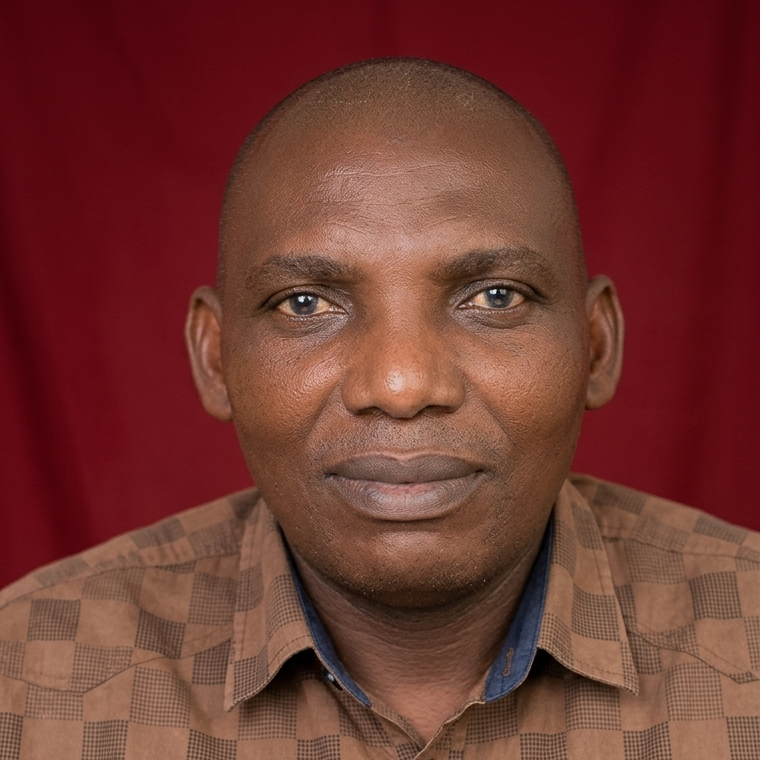
Izidor Jacob Ikeagwu - Founder of JasdorBlog and AI Solopreneur Solutions
Izidor Jacob Ikeagwu Founder & Advocate Port Harcourt, Rivers State, Nigeria
The Mind Behind the Mission

Turning Life's Biggest Challenge Into Africa's Greatest Advocacy

Following a distinguished, decade-plus career managing complex operations within multinational logistics ecosystems, Izidor Jacob Ikeagwu experienced a profound shift when he completely lost his sight in 2018. While his vision changed, his unstoppable drive and entrepreneurial focus remained entirely untouched.

Entering rehabilitation, he systematically mastered advanced ICT architectures and strategic handcraft frameworks. This transition unlocked raw, firsthand insight into the real economic struggles, structural barriers, and profound resilience defining Persons With Disabilities (PWDs) operating across Nigeria.

Today, as the founder of JasdorBlog.com and AI Solopreneur Solutions, Izidor builds actionable bridges between bleeding-edge technology and human equity. He directly empowers African solopreneurs to save 10+ hours a week through local AI workflow stacks, while relentlessly monitoring legal compliance and tracking PWD rights under the Petroleum Industry Act (PIA 2021) and the Discrimination Against Persons With Disabilities Act 2018.