Rivers State Political Crisis Deepens After Supreme Court Ruling
There has been a dramatic twist in the Rivers State political scene following the nullification of the October 2024 local government election by the Supreme Court.
The judgment, reportedly based on irregularities in the electoral process, has triggered mixed reactions and intensified political tensions across the state.
Reactions to the Supreme Court Decision
The ruling sparked celebrations among supporters of the Minister of the Federal Capital Territory, Nyesom Wike.
However, the victory was short-lived, as the Rivers State Government immediately signaled its intention to challenge the decision.
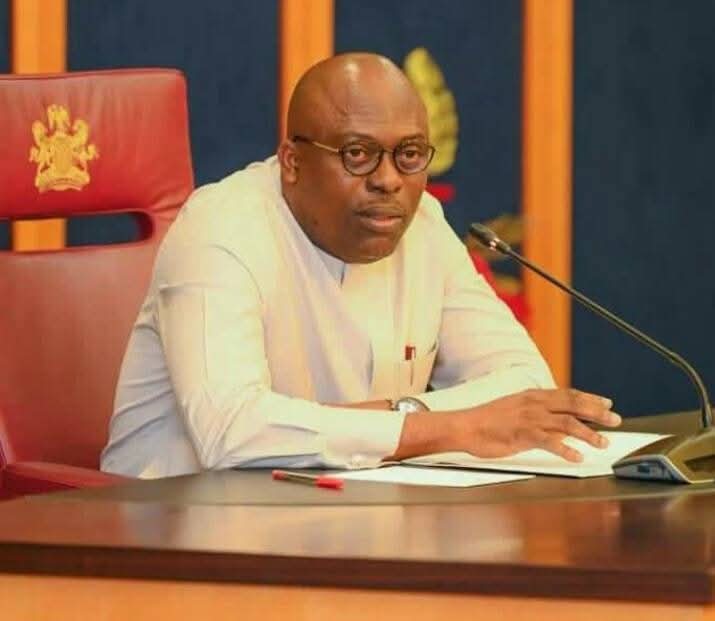
In a statement, the administration of Governor Siminalayi Fubara described the judgment as “unfair” and “unjust,” arguing that it was based on “technicalities” rather than the “merits” of the case.
Support from Rivers State House of Assembly Leadership
The Speaker of the Rivers State House of Assembly, Martin Amaewhule, welcomed the Supreme Court ruling.
He described it as a “victory for democracy” and a validation of his leadership position.
Amaewhule, whose status as a legitimate member of the House was affirmed by the court, urged Governor Fubara to respect the rule of law and accept the judgment.
Ongoing Legal and Political Developments
Attention has now shifted to the Federal High Court, which is expected to rule on the legality of the defection of certain lawmakers to the All Progressives Congress (APC).
The outcome of this case is expected to have significant implications for the political structure and stability of Rivers State.
APC Calls for Governor’s Resignation
In a related development, the Rivers State chapter of the APC has called on Governor Fubara to resign immediately.
The party argues that the Supreme Court ruling is evidence of what it describes as the governor’s “illegitimacy.”
The APC state chairman, Chief Emeka Beke, described the judgment as a “vindication” of the party’s position and a “clear indication” that the current administration lacks legitimacy.
Concerns Over Stability and Security
The unfolding political crisis has raised concerns about governance stability and the risk of potential violence in the state.
Analysts and stakeholders warn that continued legal and political confrontation could further deepen tensions if not carefully managed.
Closing Perspective
As events continue to unfold, one central issue remains unresolved: the need for political stability in Rivers State.
Citizens are increasingly hoping for a resolution that restores normal governance, reduces tension, and prevents further escalation of conflict.
There has been a dramatic twist in the Rivers State political scene following the nullification of the October 2024 local government election by the Supreme Court.
The judgment, reportedly based on irregularities in the electoral process, has triggered mixed reactions and intensified political tensions across the state.
Reactions to the Supreme Court Decision
The ruling sparked celebrations among supporters of the Minister of the Federal Capital Territory, Nyesom Wike.
However, the victory was short-lived, as the Rivers State Government immediately signaled its intention to challenge the decision.
In a statement, the administration of Governor Siminalayi Fubara described the judgment as “unfair” and “unjust,” arguing that it was based on “technicalities” rather than the “merits” of the case.
Support from Rivers State House of Assembly Leadership
The Speaker of the Rivers State House of Assembly, Martin Amaewhule, welcomed the Supreme Court ruling.
He described it as a “victory for democracy” and a validation of his leadership position.
Amaewhule, whose status as a legitimate member of the House was affirmed by the court, urged Governor Fubara to respect the rule of law and accept the judgment.
Ongoing Legal and Political Developments
Attention has now shifted to the Federal High Court, which is expected to rule on the legality of the defection of certain lawmakers to the All Progressives Congress (APC).
The outcome of this case is expected to have significant implications for the political structure and stability of Rivers State.
APC Calls for Governor’s Resignation
In a related development, the Rivers State chapter of the APC has called on Governor Fubara to resign immediately.
The party argues that the Supreme Court ruling is evidence of what it describes as the governor’s “illegitimacy.”
The APC state chairman, Chief Emeka Beke, described the judgment as a “vindication” of the party’s position and a “clear indication” that the current administration lacks legitimacy.
Concerns Over Stability and Security
The unfolding political crisis has raised concerns about governance stability and the risk of potential violence in the state.
Analysts and stakeholders warn that continued legal and political confrontation could further deepen tensions if not carefully managed.
Closing Perspective
As events continue to unfold, one central issue remains unresolved: the need for political stability in Rivers State.
Citizens are increasingly hoping for a resolution that restores normal governance, reduces tension, and prevents further escalation of conflict.